You are working with SL, who understands the benefits of physical activity but has struggled to maintain a regular routine. SL says, “I know I should exercise, but every plan I try eventually feels like another diabetes chore.”
Which response BEST reflects a positive psychology (PERMA) approach to supporting sustainable behavior change?
- A. “Let’s set a goal of 150 minutes of moderate-intensity activity each week and track your progress.”
- B. “What types of movement have you enjoyed in the past, and who might you enjoy doing them with?”
- C. “Regular activity can lower your glucose and reduce your risk of cardiovascular complications.”
- D. “Let’s identify the barriers that have prevented you from following your previous activity plans.”
Want to Learn More about this Question?
Join Evgeniya Evans on Sept. 14th for
Level 5 | From Compliance to Connection: Positive Psychology Strategies for Lasting Change in Diabetes Care webcast
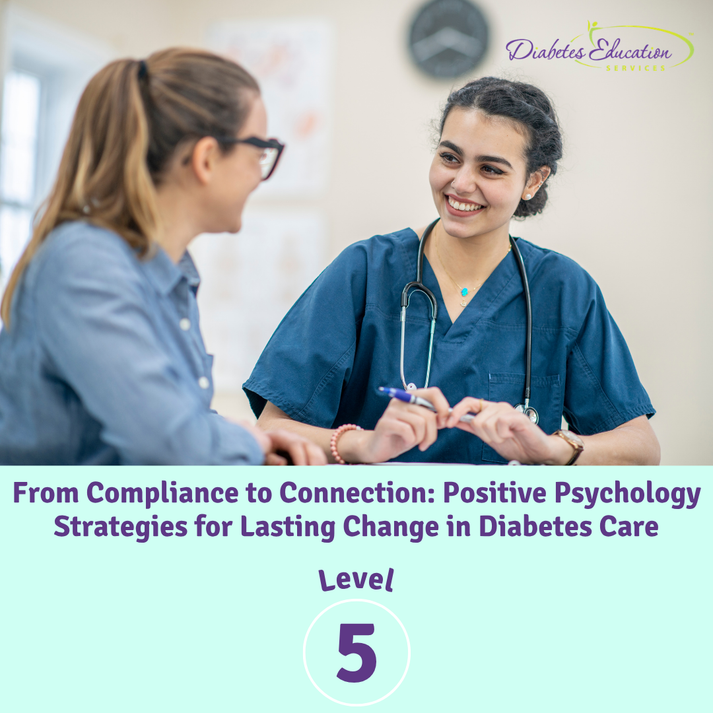
Join Evgeniya Evans, MS, RDN, CDCES, on September 14, 2026, at 11:30 am PST for the live webcast or watch the recorded on-demand version. This webinar explores how positive psychology can help people with diabetes build sustainable behaviors that feel personally meaningful and emotionally supportive. Using the PERMA framework—Positive Emotion, Engagement, Relationships, Meaning, and Accomplishment—participants will learn practical ways to strengthen motivation, resilience, and self-management. The session also connects PERMA with behavior-change principles such as autonomy, connection, and confidence-building. Attendees will leave with simple questions, reframes, and counseling strategies they can use right away in practice.
Course Topics:
- Understanding PERMA and its relevance to sustainable health behaviors in diabetes
Connecting PERMA with Self-Determination Theory to deepen motivation and self-management
Applying PERMA-based strategies and questions in everyday diabetes education and coaching.