
Subscribe
eNewsletter

Ready to get certified?
Free CDCES Coach App

eNewsletter
Free CDCES Coach App
There are over 100 trillion microbes in our gut. These bacteria differ wildly from person to person and play a role in how each of us uniquely respond to food.
For example, one person with diabetes might eat 1/2 cup of rice and their post meal glucose may be right on target. Yet their neighbor could eat the same 1/2 cup and experience a glucose surge.
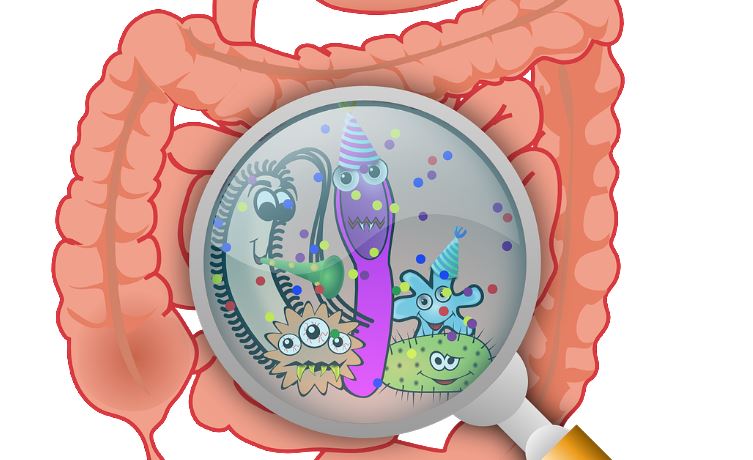
More science is emerging to explain these differences and how adjustments in food intake can be made that actually compliment the individual’s unique microbiome. The goal is to match the food to the host’s microbes to improve glucose levels and overall health.
A study conducted by Mayo Clinic set out to determine a better way to predict changes in blood sugar than measuring carbs or calories.
To do this, the researchers followed 327 people for six days. Mayo Clinic first collected a stool sample from the participants so that they could figure out the makeup of their microbiome in their gut. Then, they recorded what they ate, how much they exercised, and how long they slept for. The participants also wore a blood-glucose monitor to track their glycemic levels. Using these results they were able to come up with a model to accurately predict changes in blood sugar.
The model was a success, correctly predicting the blood sugar changes 62 percent of the time compared to the carb-based predictions which only yielded 36 percent accuracy.
The Mayo Clinic study determined that this novel method of predicting changes in blood sugar will help to individualize meal plans based on their unique microbial make-up.
The work supports the findings of a similar study from 2015 conducted by the Weizmann Institute of Science in Israel. Currently, there is an app available to customize food intake based on the individuals’ microbiome.
To read more about Mayo Clinic’s study click here!

Unsure about changes in 2020?
Coach Beverly offers this FREE webinar to help get you prepare for the CDCES Exam. All her tips and tricks are meant to ease your mind and reflect the updates to the CDCES content outline. Watch the latest from January 2, 2020 below:
Instructor: Beverly Thomassian RN, MPH, CDCES, BC-ADM is a working educator who has passed her CDCES Exam 6 times. She is a nationally recognized diabetes expert for over 25 years.
See our Preparing for CDCES Resource Page >>
Sign up for Diabetes Blog Bytes – we post one daily Blog Byte from Monday to Friday. And of course, Tuesday is our Question of the Week. It’s Informative and FREE! Sign up below!
[yikes-mailchimp form=”1″]Hugo Rosen, MD, a liver disease specialist and chair at the Keck School of Medicine of USC, has witnessed a startling shift in his practice. There are less individuals coming in for hepatitis C and a lot more people seeking treatment for fatty liver disease.
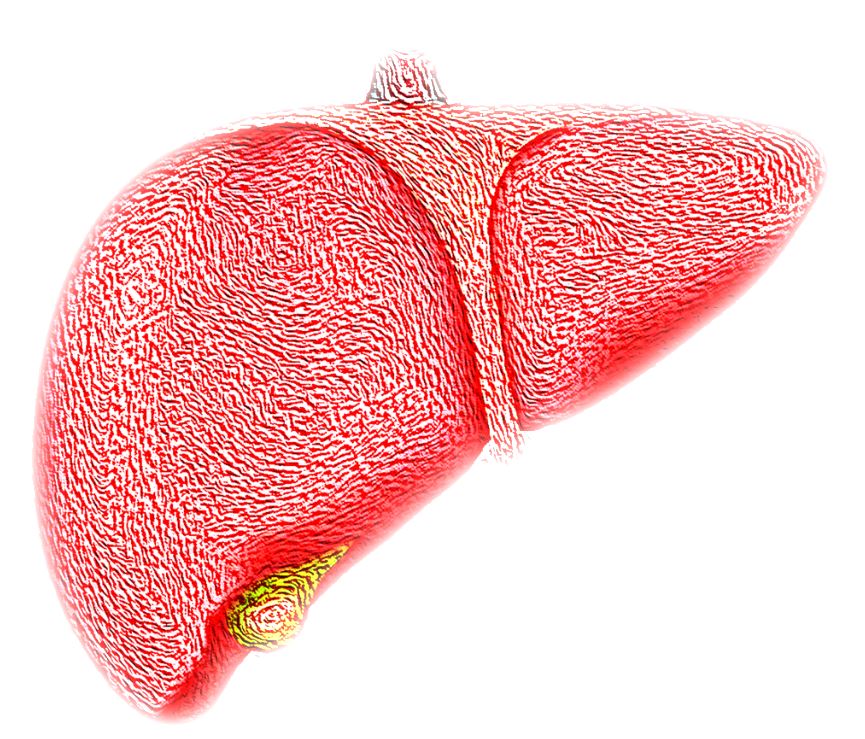
It is estimated that a quarter of the global population has nonalcoholic fatty liver disease (NAFLD). Results from a Mayo Clinic study and other studies suggests NAFLD is linked to increased risk of liver cancer, and susceptibility to other forms of cancer.
60% of people with type 2 diabetes also have nonalcoholic fatty liver disease. NAFLD is often considered as a manifestation of the metabolic syndrome, especially in those with elevated BMIs and diabetes.
Dr. Rosen says he’s most worried about fad diets like Keto that are attractive to people because they can eat lots of tasty foods like butter, cheese, and red meat, but it encourages a high increase in fat. Rosen says 80% of your calories will generally come from fat on the keto diet.
Studies on mice suggest the uptake in fat in the diet can lead to nonalcoholic fatty liver disease. The hardest part about NAFLD is that most people don’t know they have it and don’t start exhibiting signs of it until it has progressed to cirrhosis or nonalcoholic steatohepatitis (NASH).
The current recommended treatment includes weight loss (because it helps reduce fat and inflammation in the liver) and eating a well-balanced diet with fiber, and lessening fat intake particularly from processed foods.
Don’t overdo it on fats, Rosen recommends, especially from processed foods. Fructose and other sugars are a major concern as well, especially in sodas, candy, sugary cereals, sweetened juices and fast food. Those kinds of refined foods can increase cholesterol and cause inflammation in the liver.
Vitamin E and Pioglitazone have helped some with NAFLD, but results are inconsistent and there is no FDA-approved drug to specifically treat it yet.
For the full study details and nutrition and lifestyle recommendations for NAFLD, see USC’s article on Rosen here.

Join us in January for a full update of Level 1 Diabetes Fundamental courses! Coach Bev will be updating all of Level 1 live throughout this month. See full course schedule here.
All our courses are recorded and are available for viewing in your online university account. Don’t miss these crucial 2020 updates:
Sign up for Diabetes Blog Bytes – we post one daily Blog Byte from Monday to Friday. And of course, Tuesday is our Question of the Week. It’s Informative and FREE! Sign up below!
[yikes-mailchimp form=”1″]Coach Beverly, Taryn and Robert wish everyone a Happy New Year. To get ready for 2020, we have highlighted 10 questions that help to wrap up 2019. Ending the year intentionally helps to savor successes, make peace with mistakes, and allow change in the new year to power those resolutions.
Read more from Simply Magazine and Daisy U by clicking here.
Sign up for Diabetes Blog Bytes – we post one daily Blog Byte from Monday to Friday. And of course, Tuesday is our Question of the Week. It’s Informative and FREE! Sign up below!
[yikes-mailchimp form=”1″]
Our Diabetes Detective Team scans the diabetes news to discover the most relevant info that Diabetes Educators need in their daily practice. We post one daily Blog Byte from Monday to Friday. And of course, Tuesday is our Question of the Week. It’s Informative and FREE! Sign up below!

Use discount code “Prep2020” to save 10% on our test prep bundle – includes Levels 1 (updating in January), 2, and 3 (updating in February).
Start 2020 off right with all the clinical updates you need for exam success!
Sign up for Diabetes Blog Bytes – we post one daily Blog Byte from Monday to Friday. And of course, Tuesday is our Question of the Week. It’s Informative and FREE! Sign up below!
[yikes-mailchimp form=”1″]
Get Ready for a New Name in 2020.
Every end marks a new beginning. We’re ringing in this New Year with a FREE Preparing for the CDCES Exam Webinar!
If you haven’t heard, starting in 2020, CDE’s will go from being Certified Diabetes Educators to our new name: Certified Diabetes Care & Education Specialists (CDCES).
Join us January 2, 2020 @ 11:30 a.m. PST to learn more about this name change from Coach Beverly. Register now for our FREE Preparing for CDCES Exam Webinar.
Webinar Topics covered include:
Register now for our FREE Preparing for CDCES Exam Webinar January 2nd at 11:30 PST.
Sign up for Diabetes Blog Bytes – we post one daily Blog Byte from Monday to Friday. And of course, Tuesday is our Question of the Week. It’s Informative and FREE! Sign up below!
[yikes-mailchimp form=”1″]What wisdom can you find that is greater than kindness?
Jean-Jacques Rousseau
Thank you for being a part of our seven days of kindness. Each post reminded me of the power of kindness to improve the lives of our fellow humans. Even the smallest gesture can leave a life long impression. Each spark, each light, each moment of humanness connects us with a hope that when we really see each other, we can do anything. With love, Coach Beverly

Read more about the kindness movement at Random Acts of Kindness.
Sign up for Diabetes Blog Bytes – we post one daily Blog Byte from Monday to Friday. And of course, Tuesday is our Question of the Week. It’s Informative and FREE! Sign up below!
[yikes-mailchimp form=”1″]Continuing our week of kindness, we celebrate Kwanzaa, a holiday dedicated to acknowledging seven guiding principles of life.
Give light and people will find the way.
Ella Baker

Kwanzaa is a week-long annual celebration held in the United States and other nations of the African diaspora in the Americas to honor African heritage in African-American culture. It is observed from December 26 to January 1, culminating in gift-giving and a feast. Kwanzaa has seven core principles. Wikipedia
Each of the seven days of Kwanzaa is dedicated to one of the following principles, as follows:[13]
Read more about Kwanzaa here.
Sign up for Diabetes Blog Bytes – we post one daily Blog Byte from Monday to Friday. And of course, Tuesday is our Question of the Week. It’s Informative and FREE! Sign up below!
[yikes-mailchimp form=”1″]