
Subscribe
eNewsletter

Ready to get certified?
Free CDCES Coach App

eNewsletter
Free CDCES Coach App
For Question of the week, test takers usually choose the correct answer 70-80% of the time. However, for this Tuesday’s question of the week, about 44% of respondents chose the correct answer.
So, we thought this would be a perfect opportunity for another answer rationale. We’ll explore this question and the best answer in more detail and throw in some test-taking tips along the way.
Question of the week on October 22:
TR is a 17-year-old with prediabetes who is graduating high school and moving out of state to college and will be living with a roommate in the dorms. TRs mom arranges to have an appointment with the diabetes educator before TR heads off to college. Which of the following is the most important issue to review during the visit?
Answer Options:
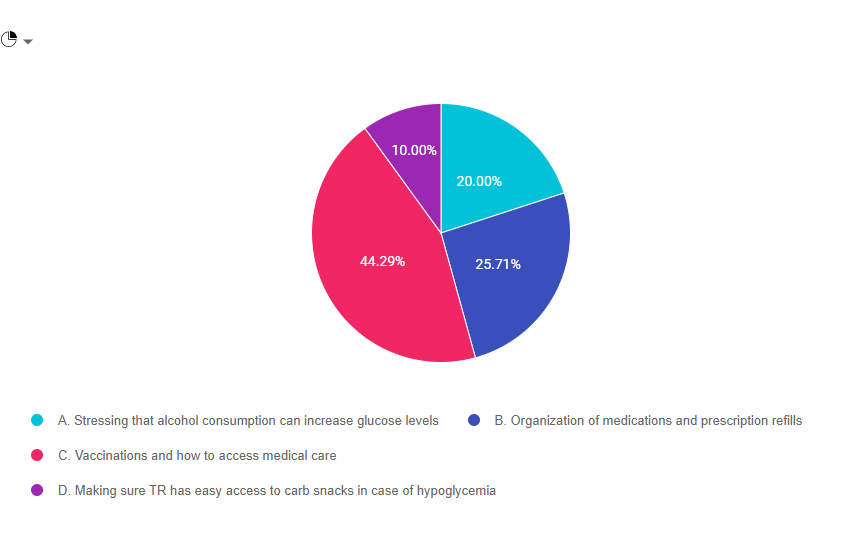
As shown above, the most common choice was option 3, the second most common answer was option 2, then option 1, and finally option 4.
Congratulations! A majority of people still answered the question with the right answer.
Option 3 (C) is the correct answer: Vaccinations and how to access medical care. In this scenario, TR is only 17 with prediabetes and the question does not mention that TR is taking any medications or has any prediabetes related complications. Given that, the best intervention is to focus on prevention (vaccines) and how to access health care in this new environment.
Option 1 is incorrect because it says alcohol consumption can increase glucose levels, but alcohol is associated with a lowering of blood glucose. This is because when the liver is metabolizing alcohol, glycogenolysis is hampered resulting in lower blood glucose levels.
Option 2 is incorrect because this scenario doesn’t mention TR is on any medications or prescriptions, so this juicy answer assumes facts not in the question. If one assumes TR is on medication because they have prediabetes, organization of medication and prescription refills could be an important thing to consider before going off to an unfamiliar environment. However, since the scenario doesn’t mention medication, and a 17 year old with prediabetes is not likely be only any medications, this answer is also incorrect.
Finally, option 4 is incorrect because in this scenario, hypoglycemia isn’t mentioned. For people with diabetes, hypoglycemia is a risk when treating diabetes with insulin or sulfonylureas, but this scenario doesn’t mention TR being on either.
We hope you appreciate this week’s rationale and keep studying hard! Thank you so much for taking the time to answer our Question of the Week and participate in this fun learning activity!
Sign up for Diabetes Blog Bytes – we post one daily Blog Byte from Monday to Friday. And of course, Tuesday is our Question of the Week. It’s Informative and FREE! Sign up below!
[yikes-mailchimp form=”1″]
What is the best way to dispose of expired medications or those that are no longer of use?
October 26 (this Saturday!) is National Prescription Drug Take Back Day. Between 10 a.m. and 2 p.m., collection sites across the U.S. will take all kinds of medications, no questions asked.
People with diabetes take a myriad of medications to keep healthy and maintain quality of life. Many of them are expired and need to be properly disposed of.
In addition, people with diabetes often use antidepressants and opioids used to combat pain. These types of prescription drugs, found in medicine cabinets, are often a primary source for misused medicines. They also increase risk of accidental overdose by young children.
50% of people who misused prescription painkillers got them from a friend or family member.
Recover Together has created a constantly updated map of collection centers that will participate in Take Back Day to help with the safe disposal of medications.
Beyond that, Google Maps will be helping so that if you search “medication disposal near me”, pharmacies, hospitals, police stations, and other locations that accept medications year-round will pop up.
National Take Back Day raises awareness on the importance of safe disposal of drugs. This includes environmental risks, health risks, accidental use, and intentional misuse.
According to the EPA, most water treatment facilities cannot filter out drugs. Medicines that are poured down the drain can enter our environment and community drinking water supplies.
Read more about health concerns and drug facts, and find a medication disposal location at Recover Together.
Sign up for Diabetes Blog Bytes – we post one daily Blog Byte from Monday to Friday. And of course, Tuesday is our Question of the Week. It’s Informative and FREE! Sign up below!
[yikes-mailchimp form=”1″]

James Keck, MD, set out to find if adult patients at an academic family medicine clinic, who were actively screened for prediabetes, received a referral to the Diabetes Prevention Program.
The research team evaluated the electronic health records of 5,360 adult patients at an academic family medicine clinic to determine whether they received pre-diabetes screening, diagnosis and treatment.
They found that:
Even though 35% of patients met the diagnostic cut off for prediabetes, not one of them was referred to a Diabetes Prevention Program.
Keck and colleagues also reviewed 31 surveys from clinicians from the same clinic about their pre-diabetes attitudes, knowledge and practices. Keck noted that even when clinicians are aware of the program, insurance coverage for such programs is low even though more and more insurers are recognizing the wisdom in these prevention programs.
James Keck, a physician at the University of Kentucky, believes this is due to a lack of awareness about the Diabetes Prevention Program in general.
The lack of electronic or streamlined referrals to these programs is another notable barrier, besides perceptions of the clinician and individual of whether the program will be effective.
Raising awareness about the National Diabetes Prevention Program is the first step, as well as raising awareness of private insurance and Medicare which now covers such programs. Finally, increasing relationships between clinics and places offering these programs (or encouraging clinics to start up their own programs) is a great step towards removing barriers.
Read more on the full survey results and recommendations on Healio.
Sign up for Diabetes Blog Bytes – we post one daily Blog Byte from Monday to Friday. And of course, Tuesday is our Question of the Week. It’s Informative and FREE! Sign up below!
[yikes-mailchimp form=”1″]
Whether it’s the candy, the turkey, stuffing, or the desserts, the holidays are a difficult time for anyone to eat healthy and avoid weight gain. Experts suggest that the holidays are not the best time to set weight loss goals. Instead, a more realistic approach is to focus on enjoying special events and weight maintenance coupled with lots of good self-care.

Weight watchers, most dietitians, and health bloggers suggest several strategies to make healthier choices when tempted by holiday fare:

Some interesting, alternative strategies that people are reporting success with:
For more info, see our 10 Steps To Surviving the Holidays here >>
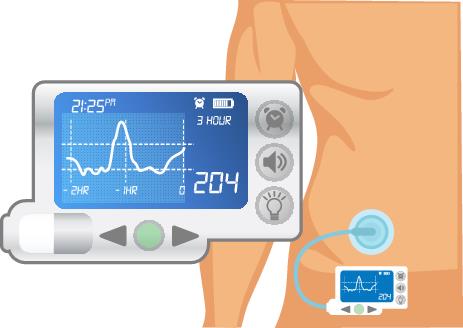
A three-year long study showed real time continuous glucose monitoring (rtCGM) was associated with lower A1c levels in people with type 1 diabetes, whether the participants used pumps or multiple daily injections.
In the study, participants checked glucose levels using CGM or fingersticks four times per day.
Only the real time CGM group had improvements in time-in-range and reduced time below range, regardless of whether they used an insulin pump or injections.
Also, fewer participants using real time CGM experienced severe hypoglycemia.
This three-year study came from the Comparison of Different Treatment Modalities for Type 1 Diabetes Including Sensor-Augmented Insulin Regimens (COMISAIR). The group still advocates for individualization of treatment, but emphasizes what an important difference incorporating real time CGM makes.
Jan Soupal presented the study findings at the European Association for the Study of Diabetes 2019 Annual Meeting in the Czech Republic. Soupal noted that CGM can be coupled with multiple daily injections for those who prefer to only have one device on their body or worry about accessibility and affordability.
Read the full study details here.

Want more valuable CGM info for the test?
Check out our Technology Toolkit! Two fantastic courses included for a total of 3 CEs:
Sign up for Diabetes Blog Bytes – we post one daily Blog Byte from Monday to Friday. And of course, Tuesday is our Question of the Week. It’s Informative and FREE! Sign up below!
[yikes-mailchimp form=”1″]
Adverse Childhood Experiences (ACE) such as neglect, abuse, household dysfunction, etc. have been found to have a profound impact on health and disease throughout life.
Here is the the link to the ACE Screening Tools and more information.
The higher the ACE Score, the higher the risk of diabetes, cardiovascular disease, mental health issues, earlier mortality and more.

Nadine Burke Harris, MD and California’s newly appointed Surgeon General, pushed for ACE scores to be more seriously considered and to increase routine screening, early detection, and early intervention.
Funding has been put forward to reimburse providers for screenings, and towards after school education and safety programs in preschool, early learning, and childcare.
Dr. Harris corrects the assumption that every person who scores positive for ACE needs mental health services: “most patients don’t” she says, and it’s important to know proper next-steps after a positive screening.
The best thing health care providers can do after a positive screening is to educate individuals on which symptoms could be related to a history of adversity, and give them tools they can use to manage and improve outcomes. These are tools like sleep, exercise, nutrition, mindfulness, mental health, and healthy relationships. Most of these tools don’t require a lot of extra resources as some health care professionals may fear.
Read Dr. Harris’ full interview on the Chronicle of Social Change.
For more info, here is the link to an excellent ACE Resource Page
Sign up for Diabetes Blog Bytes – we post one daily Blog Byte from Monday to Friday. And of course, Tuesday is our Question of the Week. It’s Informative and FREE! Sign up below!
[yikes-mailchimp form=”1″]
Canagliflozin (Invokana), an SGLT-2 Inhibitor, just received a new Food and Drug Administration (FDA) indication.
Adults with type 2 diabetes and diabetes kidney disease who take canagliflozin (Invokana) experience a reduction of:
This new indication is based on the results of the CREDENCE Trial, which was designed to see if canagliflozin had a renal vascular protective effect.
The trial enrolled over 4, 400 people with type 2 diabetes and GFRs between 30 and 90. The results clearly indicated several benefits.
Researchers observed a 32% risk reduction of end stage renal disease among patients who took canagliflozin (HR = 0.68), as well as a 28% risk reduction for starting dialysis, having a kidney transplant or experiencing renal death.
In a sub-group of the CREDENCE Trial, cardiovascular death for type 2 diabetes dropped by over 30% and in the CANVAS Study, there was a 33% drop in risk of hospitalization for heart failure.
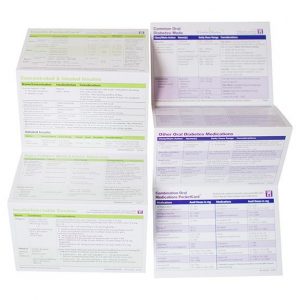
Please see Oral Meds Pocketcard for side effects and precautions of canagliflozin and SGLT-2 Medications. In the most recent ADA Standards, two SGLT-2 Inhibitors, empagliflozin and canagliflozin are indicated for individuals with heart failure, chronic kidney disease and an elevated CV risk profile.
The use of these SGLT-2 Inhibitors offer hope and a new strategy to protect renal function and decrease heart disease risk in those living with diabetes.
For more information see this Helio Article on the new FDA indication for Canagliflozin.
Please see our GLP-1 Receptor Agonists and Injectibles Pocketcard for new oral GLP-1 tablet.
Download FREE Medication PocketCards on our website.
Purchase PocketCards – Updated physical PocketCards will ship out no later than October 18, 2019.
Download our FREE CDCES Coach App
Sign up for Diabetes Blog Bytes – we post one daily Blog Byte from Monday to Friday. And of course, Tuesday is our Question of the Week. It’s Informative and FREE! Sign up below!
[yikes-mailchimp form=”1″]
The Journal of General Internal Medicine recently surveyed nearly 300 physicians, and the findings were alarming.
Their research suggests approximately 25% of all physicians misdiagnose people who have diabetes with prediabetes instead.
Additionally, the average provider didn’t know 33% of the risk factors for prediabetes, were unfamiliar with prevention or management of the condition, and generally under-screened for it.
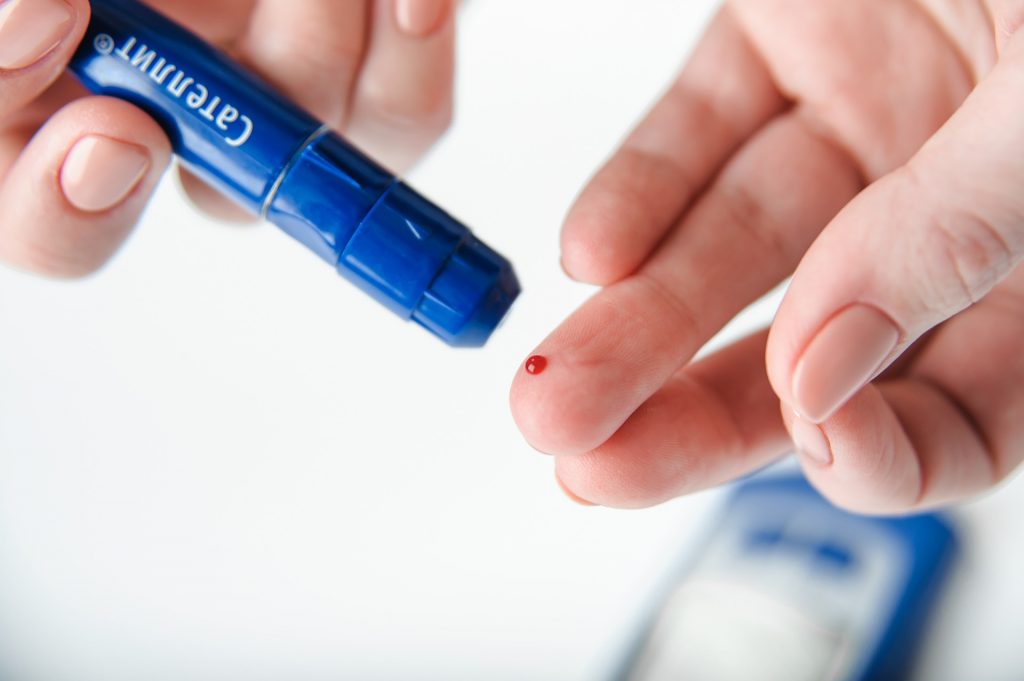
Only 42% of the physicians knew the correct fasting A1c to diagnose prediabetes.
Researchers from John Hopkins University recommend providing physicians with better knowledge on diabetes prevention and for insurance to cover plans that help better diagnose and treat prediabetes.
The hope is these two strategies will help with more accurate screening and earlier intervention to avoid development and progression of type 2 which can lead to kidney failure, heart disease, or stroke. Read the full study and statistics here.
Sign up for Diabetes Blog Bytes – we post one daily Blog Byte from Monday to Friday. And of course, Tuesday is our Question of the Week. It’s Informative and FREE! Sign up below!
[yikes-mailchimp form=”1″]