Question of the Week – February 5th, 2019

According to the National Credentialing Board for Diabetes Educators, (NCBDE) the CDCES® Exam Content Outline will be updated starting July 1st, 2019.
To celebrate this update, we will be basing our 2019 Questions of the Week on this content outline. (See a snippet of the NCBDE content outline to the left or click on it to see the complete outline.)
These targeted questions are designed to help assess your knowledge on the topics critical to diabetes educators.
In addition, if you are preparing to take the exam, we strongly encourage you to go through each of these sub-categories and rate your knowledge on a scale of 1-5. Based on this self-assessment, spend the majority of your study time on the topic areas you are least comfortable with. This approach will help you become familiar with the exam content and to use your limited study time wisely.
Assessment of the Diabetes Continuum – Learning
For this question in this series, we focus on the Assessment Section, under learning. Here is the question that addresses learning goals and needs of the learner. Good luck!
Sign up for Diabetes Blog Bytes – we post one daily Blog Byte from Monday to Friday. And of course, Tuesday is our Question of the Week. It’s Informative and FREE! Sign up below!
[yikes-mailchimp form=”1″]
Fizz Free February – Diabetes Blog Byte!
 Our neighbors across the pound are leading a new campaign to help teenagers curb their habitual consumption of sugar drinks. They have declared this month to be “Fizz Free February” after shocking statistics were released reporting a 70% increase in teenagers being diagnosed with diabetes in the U.K. in the last four years. In the United States, as of 2017, 30.1 million people are living with diagnosed or undiagnosed diabetes, and about 193,000 people are younger than 20 years.
Celebrity chef Hugh Fearnley-Whittingstall is joining forces with Labour’s deputy leader, Tom Watson, to ask people to stop drinking fizzy drinks for the month of February. The campaign hopes to break the habitual consumption of sugary drinks particularly within young adults.
We support Fizz Free February. At Diabetes Education Services, we created the “Joy of Six” campaign to encourage people across America to reconsider their added sugar intake.
Take the pledge to enjoy up to six teaspoons of added sugar per day and increase sugar awareness in our communities.
“The heaps of sugar companies are putting in their fizzy drinks are as good as poisoning our kids,” Watson said. “With scores of children suffering from tooth decay, obesity and even diabetes, we must do something to alert people to the danger of too much sugar.”
Sugar soft drinks make up for a large portion of sugar intake in a child’s diet. Not only can this cause Type 2 Diabetes and Obesity, but is known to contribute to tooth decay.
Fizz Free February launched as a part of a wider campaign to tackle obesity. “Evidence for the damaging effects of sugar is mounting up. We’ve got to find ways to drastically reduce our consumption of sugar, and Fizz Free February is a fantastic way to start.”

Help us continue to spread awareness on this very important issue! We have many resources from our “Joy of Six” campaign for you to share with your community:
We also invite you to test your sugar knowledge:
In order to make sugar awareness fun and educational, Coach Beverly has designed six sugar-related questions to test your knowledge:
To learn more: “Consumers urged to give up sugary drinks for Fizz Free February” The Gaurdian
Other important blog posts & resources:
Lack of sleep increases anxiety | Mindful Monday
 Announced at the annual meeting of the Science for Neuroscience, research finds even in healthy adults, sleep deprivation can have an effect on anxiety levels and even alter brain activity.
A recent study by Harvard Medical School and Beth Israel Deaconess Medical Center has determined that a lack of sleep may induce increased levels of anxiety. Also, people who are diagnosed with anxiety typically have difficulty sleeping. This study shows that there is an inverse relationship between anxiety and poor sleep.
The anxiety levels of 18 healthy individuals were examined for the sake of this study. Anxiety tests were conducted for each subject after a full night of sleep and a sleepless night. Those who experience sleep deprivation demonstrated anxiety levels 30% higher than the group of individuals who had a full night sleep. The brain activity of the sleep-deprived individuals changed as well. Subjects seemed to become more emotional in response to videos played in the lab. The prefrontal cortex, the area that reduces anxiety levels, was less active as well according to MRI scans.
The result of the study concluded that lack of sleep can be more than just a symptom of anxiety, but in some cases, a direct cause!
The new ADA Standards encourage health care professionals to evaluate sleep habits at each visit and help with problem solving to improve sleep quality.
For more information on this topic, visit: A lack of sleep can induce anxiety – Science News, Magazine of the Society for Science & the Public
Sign up for Diabetes Blog Bytes – we post one daily Blog Byte from Monday to Friday. And of course, Tuesday is our Question of the Week. It’s Informative and FREE! Sign up below!
[yikes-mailchimp form=”1″]
DASH Diet – Does it really lower blood pressure?
 The DASH (Dietary Approaches to Stop Hypertension) diet studies and results have been groundbreaking and powerful enough to stand on the test of time.
The first DASH study results were published in 1997, As a result of the powerful results, the DASH diet is still the dietary standard for the American Cancer Society, American Heart Association and the American College of Cardiology.
The DASH diet recommends a diet rich in fruits and vegetables, low-fat dairy, poultry, fish, beans, whole grains, oils and nuts, and limit sweets, sugar-sweetened beverages and red meats. Overly processed foods and sugar-sweetened beverages should be avoided or limited.
The original DASH study began by assessing how blood pressures rises with age. Half of the adults in the United States suffer from high blood pressure, which is a precursor for heart attacks and strokes. 459 adults were split into three different diet groups: a typical American diet, an American diet with extra fruits and vegetables, and a DASH diet (more fruits and vegetables and low-fat dairy).
All food was prepared by the researchers which made the outcomes of this study well-controlled. After a period of eight weeks, the group consuming extra fruits and vegetables greatly reduced their blood pressure. However, the group on the DASH diet demonstrated even better results.
DASH also conducted a study assessing sodium intake. All three diets from the previous study had similar sodium intakes. Researchers on the study were curious to see if reducing sodium intake in the DASH diet and the American diet showed any specific change. 412 individuals were split into high-sodium (3,300 mg), moderate-sodium (2,400 mg), and low-sodium groups (1,500 mg). The participants consuming a lower sodium diet showed a substantial decrease in blood pressure across the board with older adults demonstrating even more drastic results.
Due to these results, DASH decided to conduct one more study on carbohydrate reduction. The goal of this study was to reduce carbohydrate intake and to replace it with unsaturated fats and protein. It adopted the same healthy DASH dietary pattern. This study found even greater results with lowering blood pressure than the original DASH diet.
All three studies are further confirmation that a diet high in plant foods and lean protein as well as low in sodium is one of the best solutions for lowering blood pressure. The authors are still investigating why these foods make such a significant impact on hypertension.
What is the take home message? Encouraging people with diabetes to eat a diet rich in fruits and vegetables, low-fat dairy, poultry, fish, beans, whole grains, oils and nuts, and limit sweets, sugar-sweetened beverages and red meats and added salt can make a big difference in blood pressure and overall health.
For more information on the DASH diet, visit “5 diet studies that made a difference.”
Contributed by: Sofia Sepulveda
Sign up for Diabetes Blog Bytes – we post one daily Blog Byte from Monday to Friday. And of course, Tuesday is our Question of the Week. It’s Informative and FREE! Sign up below!
[yikes-mailchimp form=”1″]
Type 2 diabetes: Gut bacteria may influence drug effectiveness
 415 million people across the globe have Type 2 Diabetes and it is now considered a “global epidemic.”
Diabetes drugs have varying success from person to person. New research conducted by Hariom Yadav, Ph.D., an assistant professor of molecular medicine at the Wake Forest Baptist Medical Center, studies have suggested that gut bacteria is a key indicator to a drug’s success. This research suggests a correlation between medication effectiveness and the gut bacteria of a person with Type 2 Diabetes.
“For example,” explains the lead researcher, “certain drugs work fine when given intravenously and go directly to the circulation, but when they are taken orally and pass through the gut, they don’t work.”
Metformin on the other hand works best when given orally. Based on the study, researchers believe that the individuals’ gut bacteria are affecting how well a person metabolizes the medication.
The study focused on whether or not the microbiome “boosted or inhibited” the effectiveness of the medication. “Our review showed that the metabolic capacity of a patient’s microbiome could influence the absorption and function of these drugs by making them pharmacologically active, inactive, or even toxic,” said Yadav.
Although this field of research is only about 10 years old, there are strong signs that our gut microbiome play a key role in our overall health this may include how we interact with medication. Yardav plans to continue to study the gut bacteria as it relates to the treatment of disease.
To learn more: “Type 2 diabetes: Gut bacteria may influence drug effectiveness” by Medical News Today
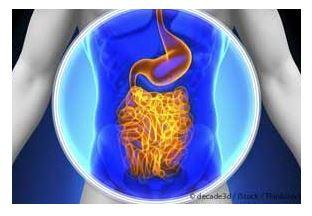 Join the wonderment as we explore the role of our Microbiome
This one-hour complimentary journey will expand your view of how trillions of bacterial hitchhikers profoundly influence our health. We will discuss how foods, the environment and our medical practices have impacted our gut bacteria over time and strategies we can take to protect these old friends. You can either view the webinar for free, or to receive additional CEs, purchase the webinar.
View the webinar now:
This webinar is free and you can view at any time, on any device.
To enjoy this webinar and earn CEs, purchase here – $19
Free Resource Friday | Preparing for the CDCES or BC-ADM? Free Webinars!
Free Upcoming Webinars with Coach Beverly Thomassian
FREE Preparing for the BCADM Exam – What you need to know | January 30th, 2019 @ 11:30 am – 12:40 pm PST
Becoming BC-ADM is a great achievement for diabetes educators with an advanced degree in their field and a professional license as an advanced practice nurse, registered dietitian, or registered pharmacist. The scope of advanced diabetes practice includes patient management skills such as medication adjustment, medical nutrition therapy, exercise planning, counseling for behavior management and psycho-social issues.
Attaining optimal metabolic control in the diabetic client may include treatment and monitoring of acute and chronic complications. This webinar will review changes in requirements for 2018, exam eligibility and test format, strategies to succeed along with a review of study tips and test taking tactics. We will review sample test questions, and the reasoning behind choosing the right answers. We hope you can join us for this webinar. Click here for a bunch of free resources, a reading list and to register for FREE Webinar.

FREE Preparing for the CDCES Exam Webinar | February 1st @ 11:30 a.m. – 12:45 p.m. PST
 Join us to get ready to succeed a the CDCES Exam. This course will transform your test anxiety into calm self-confidence and test taking readiness.
Topics covered include:
- Changes in requirements for 2019
- Exam eligibility and test format
- Strategies to succeed
- Review of study tips and test taking tactics.
We will review sample test questions, and the reasoning behind choosing the right answers.
After registering, you will receive a confirmation email containing information about joining the webinar.
See our Preparing for CDCES Resource Page >>

Our Diabetes Detective Team scans the diabetes news to discover the most relevant info that Diabetes Educators need in their daily practice. We post one daily Blog Byte from Monday to Friday. And of course, Tuesday is our Question of the Week. It’s Informative and FREE! Sign up below!
[yikes-mailchimp form=”1″]
“How endurance exercise affects your gut bacteria”
 New studies continue to link physical exercise to the diversity in gut bacteria. One of the most powerful discoveries is that exercise alone has the ability to change your gut microbiome. A new study at the Institute of Biomedicine at the University of Turku in Finland, examines the correlation between endurance exercise and bacteria.
Researchers found that exercise can boost the production of short-chain fatty acids (SCFAs). This bacteria helps with inflammation and keeping your get healthy.
The study enrolled 17 women who lived sedentary lifestyles, but were other wise healthy, into a 6-week program of bicycle endurance training. They did not change anything about their diet during this program.
“Overall, at the end of the program, the researchers found a decrease in so-called proteobacteria — that is, gut bacteria that have the potential of causing inflammation — and an increase in beneficial bacteria called Akkermansia, which have links with a better metabolism.”
Previous studies have found the bacteria Akkermansia was more commonly found in people who are physically active and may even protect individuals from diabetes and obesity.
The exercise also had an effect on cardio metabolic health. “We found that phospholipids and cholesterol in VLDL [very low-density lipoprotein] particles decreased in response to exercise. These changes are beneficial for cardiometabolic health,” Pekkala explains, “because VLDL transports lipids from the liver to peripheral tissues, converts into ‘bad’ LDL [low-density lipoprotein] cholesterol in the circulation, and thus has detrimental cardiovascular effects.”
The scientists believe that if the training program continued, they would have seen greater effects on the participants gut bacteria and overall health.
For more information, Join our Level 4 – New Horizons – Getting to the Gut
Join us to learn about the exciting advances in our understanding of the pathology of diabetes and novel approaches to prevention. We will discuss trends in diabetes diagnosis and classification. The role and importance of gut bacteria in the pathology of type 1 and type 2 will explored. A detailed discussion on emerging research and clinical trial on interventions to delay or prevent diabetes is also included.
Our Diabetes Detective Team scans the diabetes news to discover the most relevant info that Diabetes Educators need in their daily practice. We post one daily Blog Byte from Monday to Friday. And of course, Tuesday is our Question of the Week. It’s Informative and FREE! Sign up below!
[yikes-mailchimp form=”1″]
Question of the Week – January 22nd, 2019
According to the National Credentialing Board for Diabetes Educators, (NCBDE) the CDCES® Exam Content Outline will be updated starting July 1st, 2019.
To celebrate this update, we will be basing our 2019 Questions of the Week on this content outline. (See a snippet of the NCBDE content outline to the left or click on it to see the complete outline.)
These targeted questions are designed to help assess your knowledge on the topics critical to diabetes educators.
In addition, if you are preparing to take the exam, we strongly encourage you to go through each of these sub-categories and rate your knowledge on a scale of 1-5. Based on this self-assessment, spend the majority of your study time on the topic areas you are least comfortable with. This approach will help you become familiar with the exam content and to use your limited study time wisely.
Assessment of the Diabetes Continuum – Learning
For this question in this series, we focus on the Assessment Section, under learning. Here is the question that addresses learning goals and needs of the learner. Good luck!
To learn more about exam success, please join us live or watch now Free Preparing for CDCES® Webinar airing on Feb 1, 2019.
Sign up for Diabetes Blog Bytes – we post one daily Blog Byte from Monday to Friday. And of course, Tuesday is our Question of the Week. It’s Informative and FREE! Sign up below!
[yikes-mailchimp form=”1″]