Christine Craig, MS, RDN, CDCES
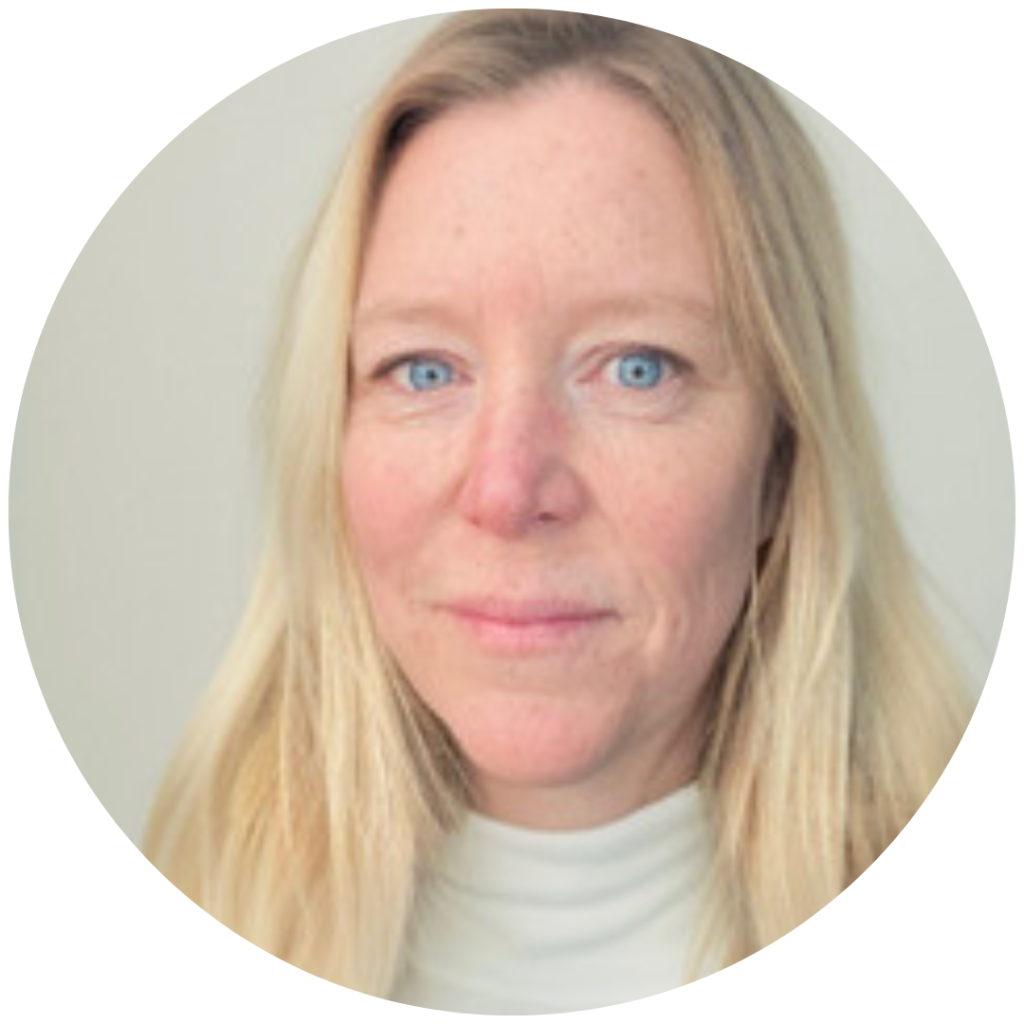
Christine is a Registered Dietitian, Certified Diabetes Care and Education Specialist and a consultant dietitian. It is important to her that each person living with diabetes feels supported and empowered not only with information but an individualized approach for lifelong health.
Winner of the 2023 Impact on Diabetes Award, she is a leader in the field of nutrition, technology, and diabetes care. She has served as a preceptor, lecturer, researcher, and is an active association board member and has worked across health systems; within Diabetes Care Centers, Endocrinology clinics, Primary Care, Telemedicine Rural Health, and Virtual-First Primary Care.
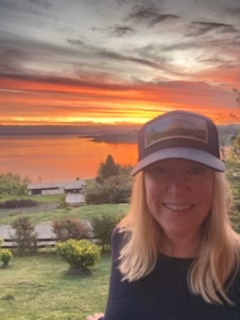
Currently she is owner of Nutrition for Daily Living, where it is her mission to increase access to compassionate and evidenced-based nutrition and diabetes care. As an adventurer, travel, hiking and snow skiing are her favorite past-times.
Connect:
Email: [email protected]
Website: www.nutritionfordailyliving.com
Linked In: www.linkedin.com/in/ccraigrd/
Instagram: @nutritionfordailyliving
Interview with Christine Craig
Interview Christine Craig, MS, RDN, CDCES
What advances in nutrition therapy are you excited to explore?
Nutrition is a constantly evolving field that is both a science and an art; we know there is no one-size-fits-all approach. In the science of nutrition, I am excited by the emerging field of precision nutrition, which may give us better insight into an individual’s needs. Precision nutrition uses the complexity of genetics, metabolic profiles, individual microbiomes, wearables, lifestyle, and environmental exposures to better predict an individual’s nutrition needs. This science is still in the very early stages, but the ability to integrate precision nutrition with the art of nutrition has the potential to transform our approach to medical nutrition therapy.
How do you integrate social determinants of health when developing a diabetes management plan?
Developing a diabetes management plan involves finding out about the individual, asking questions, and not making assumptions that you know what is best for the person living with diabetes at that time. Life is complex and managing health can be complex. As a healthcare provider, we can’t always solve structural obstacles, which can feel overwhelming at times. We can, however, through shared decision-making, constant learning, and linking to community resources, develop a collaborative self-care plan that considers the individual’s social determinants of health.
What communication strategies do you find most effective when providing nutrition therapy?
As a dietitian and diabetes educator, I have worked across modalities of care including in-person visits, telehealth, chat-based message communication, and group classes. Like nutrition therapy, there is no one-size-fits-all approach; each person can respond differently to different style types. For me, what has always been effective is using non-judgmental language and open-ended questions. People want to feel heard; this opens the doors to trust and developing an effective nutrition plan.
What communication strategies do you find most effective when providing nutrition therapy?
As a dietitian and diabetes educator, I have worked across modalities of care including in-person visits, telehealth, chat-based message communication, and group classes. Like nutrition therapy, there is no one-size-fits-all approach; each person can respond differently to different style types. For me, what has always been effective is using non-judgmental language and open-ended questions. People want to feel heard; this opens the doors to trust and developing an effective nutrition plan.
What do you love most about being a diabetes nutrition specialist?
I love that diabetes care supports health throughout the lifespan, we care for individuals with diabetes over time and at different transition points in their lives. I love that we can walk into work each day and present a breadth of options to support the person living with diabetes or our care teams. I love that I can talk diabetes tech in one moment, nutrition meal planning in the next, and then end my day reviewing coping strategies. This profession is never boring and I love bringing the latest research into my daily practice.