MK has been living with type 1 diabetes for over 52 years, most recently using an AID system. He views himself as in generally good health “for someone his age” but arrives at this annual visit reporting he recently lost his spouse of more than 46 years. For decades, they shared meals, routines, reminders, and a partnership that often supports confident diabetes self-management. Since her death, MK’s diabetes care has understandably shifted. His eating patterns are now more irregular, medications and boluses occasionally missed, and during the visit conversation, he states, “I should’ve just canceled, I am not doing well in my diabetes.”
Beneath that statement is grief, disorientation from typical patterns and routines, the profound loss of a partner who helped make daily life with diabetes manageable, and possibly more.
How Can I Help As a Diabetes Educator?
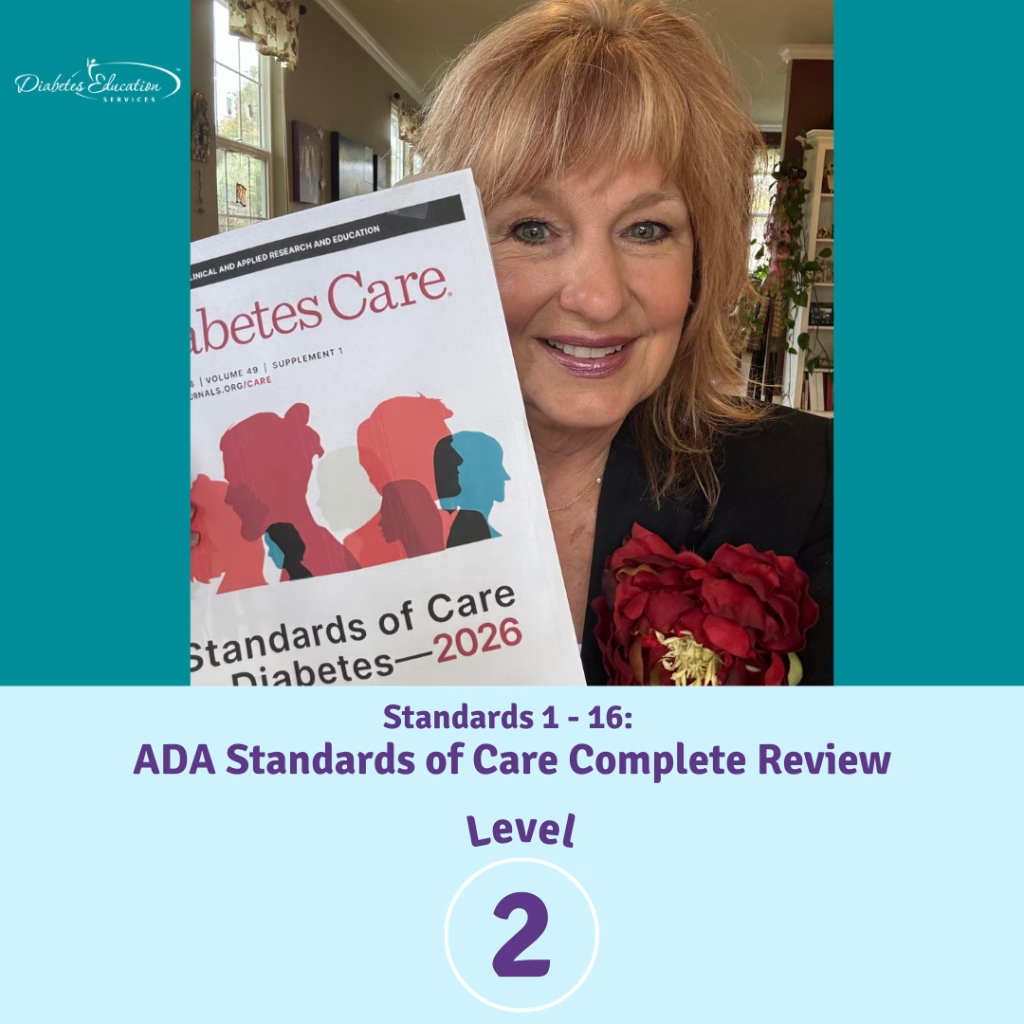
It is tempting to jump in and explore with MK how we can help him meet targets and increase his engagement, the way he once did, but grief is a life transition that can change priorities and capacity for self-care. For MJ it altered feelings of support, his social network, motivation, appetite, sleep, and self-efficacy. The American Diabetes Association (ADA) Standards of Care emphasize that diabetes management must be individualized and responsive to individual needs, including psychosocial. Listening and assessing changes in loneliness, social isolation, new goals and expectations, and quality of life may be “what matters most” for this visit. ¹ They also stress that treatment goals and strategies should be modified during significant life transitions, recognizing that the capacity for self-management can change over time.
Person-centered care is our clinical standard of care. Rather than centering the visit on solving assessed problems, it can focus on MK. Sitting with his grief, acknowledging the enormity of loss, and affirming that this is a transition. We can explore what success now means for MK, ensure his safety, and find new points of connection rather than isolation. This visit can support adapting diabetes management to life as it is now, not as it was.
Mental Health and Grief
In chronic grief, consideration of concurrent diagnoses such as adjustment disorders, depression, anxiety, lack of social support, and coping mechanisms is important. ² In older adults with depression, an increased risk of suicide had common factors, including recent death of a loved one, social isolation, or the perception of poor health. ³ Using validated screening tools may help identify individuals whose grief is significantly affecting daily functioning and requires additional assessments.
A few examples are the Patient Health Questionnaire-2 or 9 (PHQ-2 or PHQ-9) for depression, the Generalized Anxiety Disorder 7-item scale (GAD-7) for anxiety, and for emotional burden related to living with and managing diabetes, the Problem Areas in Diabetes Scale (PAID), and/or the Diabetes Distress Scale (DDS). 4 A recent article in Diabetes Spectrum 3 reported that the Center for Epidemiological Studies Depression Scale (CES-D), per systematic reviews, was found to be the best-supported tool for measuring depressive symptoms in people with diabetes. Positive screening results do not confirm a diagnosis; communication with the medical team to ensure adequate and ongoing interventions is needed. Referrals to behavioral health specialists, grief counseling, or peer and community support groups may also be recommended. As a resource, the American Diabetes Association has a directory of Mental Health Providers who specialize in supporting individuals with diabetes: https://diabetes.org/tools-resources/mental-health-directory.
Some Things to Keep In Mind
Diabetes Care and Education Specialists often take care of individuals over time; we don’t just provide medical assessments, but provide care through significant life events such as marriages, retirements, community disasters, illnesses, changes in caregiving roles, and loss. When working with individuals like MK, presence, active listening, supportive engagement, and collaborative care planning may be the most appropriate interventions. By meeting individuals where they are, rather than where they “should” be, the CDCES supports trust, connection, and access to the care they need. In doing so, we uphold the heart of diabetes care: partnering with people through all seasons of their lives.
References:
- American Diabetes Association Professional Practice Committee for Diabetes*; 13. Older Adults: Standards of Care in Diabetes—2026. Diabetes Care 1 January 2026; 49 (Supplement_1): S277–S296. https://doi.org/10.2337/dc26-S013
- American Diabetes Association Professional Practice Committee for Diabetes*; 4. Comprehensive Medical Evaluation and Assessment of Comorbidities: Standards of Care in Diabetes—2026. Diabetes Care 1 January 2026; 49 (Supplement_1):
S61–S88. https://doi.org/10.2337/dc26-S004 - Elizabeth A. Beverly, Jeffrey S. Gonzalez; The Interconnected Complexity of Diabetes and Depression. Diabetes Spectr 14 February 2025; 38 (1):23-31. https://doi.org/10.2337/dsi24-0014
- Visit the ADA behavior health toolkit for more information and resources on validated screening tools: https://professional.diabetes.org/professional-development/behavioral-mental-health/behavioral-health-toolkit