
Subscribe
eNewsletter

Ready to get certified?
Free CDCES Coach App

eNewsletter
Free CDCES Coach App
Drew Mendelow, 13, felt overwhelmed with all the new information he had to learn to navigate his new diagnosis of type 1 diabetes.
Since Drew already knew how to code games, he thought he could design an app that would help him track his insulin, blood sugars and carbohydrates consumed.
He ended up creating an app that would help with bolus insulin calculations and provide a shareable log.
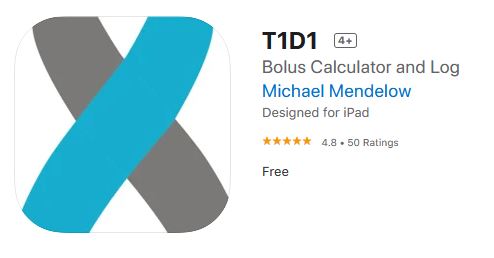
Within months of diagnosis, Drew launched his new app T1D1. T1D1 stands for Type 1 diabetes from Day 1.
To make sure the T1D1 app is available for anyone with new type 1 diabetes, Drew is adamant his app remains free. “I want to make sure everyone can really use it.”
The T1D1 app has been rigorously evaluated by the Children’s Hospital in Washington D.C. It not only passed this detailed vetting process, but the team at Children’s Hospital is also recommending it to people and families with a new type 1 diagnosis.
Many people with type 1 diabetes are started on CGM and insulin pumps, eventually. These devices help determine insulin bolus doses. But for those who don’t yet have access to these tools or can’t afford these devices, the T1D1 app is very useful and designed by someone living with type 1 diabetes every day.
This easy-to-use app is available on google play or for iOS users. The set-up is straight forward and intuitive.
Users plug in their blood glucose and carbs, and the app determines how much insulin to take for any given meal or snack based on the user’s profile. This app greatly simplifies the process of determining needed insulin dose, plus keeps a record of glucose levels, carbs consumed and insulin delivered. In addition, this record can be easily emailed to providers or concerned family members.
Users can personalize their individual glucose target, the insulin-to-carb ratio at each meal /snack, and the correction ratio. They can also enter their most commonly consumed foods with custom serving sizes and carb amount, to create a personalized food library.
I love that this app is free, but users have the option to support Drew’s contribution to making a new diagnosis with type 1 just a little easier!

Perfect for those planning to take the CDCES / BC-ADM or for those who want to learn more about the technology used to manage diabetes.
As Diabetes Care and Education Specialists, we are expected to have expertise in diabetes technologies to improve person-centered care and optimize outcomes.
Yet, when it comes to insulin pumps, sensors, and calculations many of us feel overwhelmed and unsure about diabetes technology management. Coach Beverly created this 2-part Technology Toolkit to provide you with critical information on Insulin Pumps, Calculations, and Continuous Glucose Monitors.
If you want cutting edge information on diabetes technology, problem-solving, and using a formula to determine appropriate insulin dosing, we highly recommend this toolkit.
Sign up for Diabetes Blog Bytes – we post one daily Blog Byte from Monday to Friday. And of course, Tuesday is our Question of the Week. It’s Informative and FREE! Sign up below!
[yikes-mailchimp form=”1″]
Accreditation: Diabetes Education Services is an approved provider by the California Board of Registered Nursing, Provider 12640, and Commission on Dietetic Registration (CDR), Provider DI002. Since these programs are approved by the CDR it satisfies the CE requirements for the CDCES regardless of your profession.*
The use of DES products does not guarantee the successful passage of the CDCES exam. CBDCE does not endorse any preparatory or review materials for the CDCES exam, except for those published by CBDCE.
Given that people with diabetes might have a drink or two during the season, we thought that this was an important topic to discuss further. Our December 1st Question of the week was a question of alcohol consumption during the holidays. Over 60% of respondents, chose the best answer.
Before we start though, if you don’t want any spoilers and haven’t tried the question yet, you can answer below: Answer Question
Question: JL has diabetes and injects insulin 2-3 times a day. JL is at a holiday party and is struggling with wanting a holiday spirit. Which of the following is the best approach for JL?
Answer Choices:
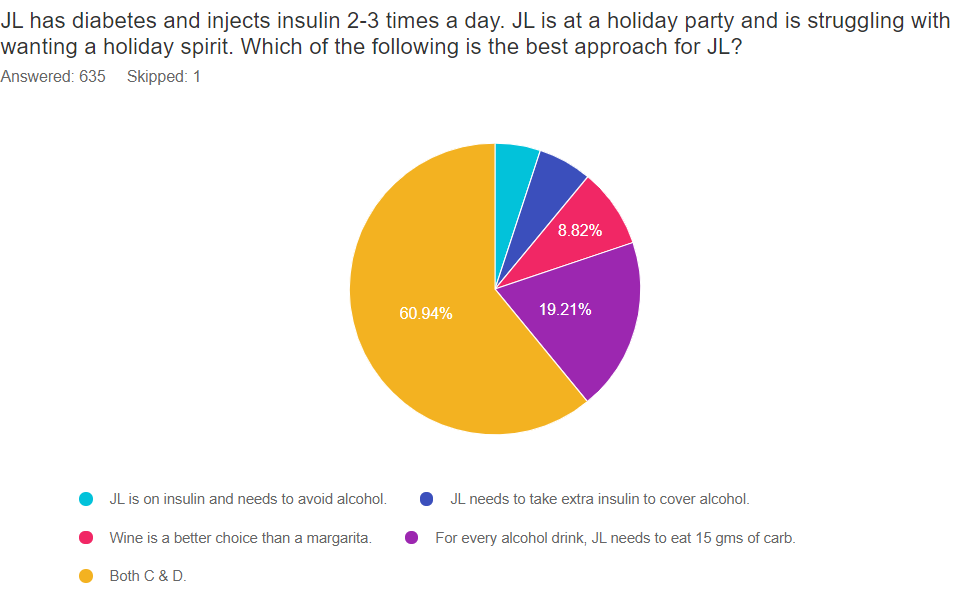
As shown above, the most common choice was option 5, the second most common answer was option 4, then option 3, then option 2, and finally option 1.
If you are thinking about taking the certification exam, the content of this practice test question will set you up for success. The exam questions won’t have 2 right answers, but alcohol and diabetes is expected content on the exam.
Answer 1 is incorrect. 5.04% chose this answer. “JL is on insulin and needs to avoid alcohol.” Based on the American Diabetes Association standards of care, people with diabetes on insulin can include alcohol as part of their meal plan.
The current recommendations are; women with diabetes limit their alcohol consumption to one drink a day or less and men with diabetes limit consumption to two or fewer drinks a day.
There are side effects to consider. Alcohol can worsen triglyceride levels, intensify neuropathic pain, and lead to unwanted weight gain. Plus, it can increase the risk of hypoglycemia. So, the decision to consume spirits is a person-centered decision, based on individual needs and health status.
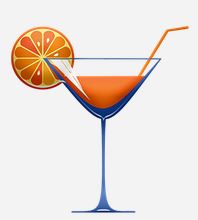
One serving of alcohol =
Answer 2 is incorrect. 5.98% of you chose this answer. “JL needs to take extra insulin to cover alcohol.” Alcohol can cause hypoglycemia for hours after consumption. Alcohol metabolism in the liver delays the release of glycogen stores and can lead to low circulating glucose levels. Some people with type 1 diabetes may even need to adjust their insulin dose at a meal if consuming alcohol.
People with type 1 diabetes need to be extra cautious if their before bed glucose is elevated after consuming alcohol. Before giving extra insulin to treat nighttime high glucose, remind them that glucose levels will trend down overnight with alcohol on board, and they probably don’t need that extra bolus of insulin.
Answer 3 is correct, but so is answer 4. “Wine is a better choice than a margarita.” Wine is a better choice since it does not have all the extra sugar and carbohydrates of a margarita. Wine consumption has a more predictable outcome whereas figuring out how much carbohydrate is in a margarita can be tricky. Mixed sugary drinks may cause blood glucose levels to rise initially than drop, later on, making management more difficult.
Answer 4 is correct, but so is answer 3. “For every alcohol drink, JL needs to eat 15 gms of carb.” Since we know that alcohol can lead to hypoglycemia for those who are on insulin therapy or take a sulfonylurea, coupling each of their favorite adult beverages with 15 gms of carb can prevent unwanted hypoglycemia.
Another issue is that the signs of hypoglycemia can mirror the signs of intoxication. Encourage people to keep a close eye on their CGM or meter results when imbibing. And include their friends in on helping to detect and treat hypoglycemia to keep safe during celebrations.
Answer 5 is correct. 60.94% chose this answer. “Both C & D.”
We hope you appreciate this week’s rationale! Thank you so much for taking the time to answer our Question of the Week and participate in this fun learning activity!
“This is one of the best review courses I’ve ever taken.”
“I learned so much from the CDCES Exam Prep Toolkit. I now have an assessment after taking the practice exam on the areas I need to focus my studying.”
Student Feedback

Whether you are preparing for the CDCES or BC-ADM exam, this test-taking toolkit is designed to prepare you for success. This toolkit includes two courses with over 200 practice questions to help you prepare and simulate the exam. Plus, we have added a FREE bonus course, Language, and Diabetes – What we say matters. Coach Beverly added this course because she believes it contains critical content for the exam and for our clinical practice!
Sign up for Diabetes Blog Bytes – we post one daily Blog Byte from Monday to Friday. And of course, Tuesday is our Question of the Week. It’s Informative and FREE! Sign up below!
[yikes-mailchimp form=”1″]
Accreditation: Diabetes Education Services is an approved provider by the California Board of Registered Nursing, Provider 12640, and Commission on Dietetic Registration (CDR), Provider DI002. Since these programs are approved by the CDR it satisfies the CE requirements for the CDCES regardless of your profession.*
The use of DES products does not guarantee the successful passage of the CDCES exam. CBDCE does not endorse any preparatory or review materials for the CDCES exam, except for those published by CBDCE.
Click here to read our full December newsletter.

Boy, am I looking forward to 2021.
The New Year brings hope – vaccines to curb the pandemic are around the corner and we keep improving our care for people with COVID infections.
But right now, my heart is heavy. I don’t feel like putting up holiday decorations and my cookie making motivation is at an all-time low.
The hospitals are bursting with people and I am worried about our medical colleagues and their mental and physical health.
I am concerned about the people we serve who live with diabetes, knowing that they are hit especially hard by Corona Virus infections.
Now, more than ever, I am leaning into my strong belief that our compassion, intelligence and humanity, will lift us out of this dark time into the light.
I feel grateful that my business has survived this harsh year. Me, Bryanna and our entire team, worked tirelessly to move all of our programs to a virtual format so that we could deliver critical content to our community.
We created new content on COVID and Diabetes, to help navigate these new uncharted waters. Knowing that many have been impacted financially by the pandemic, we are providing this course and many of our Level 2, Standards of Care Courses for free to ensure important information is accessible.
We believe that armed with information and tools, our community keeps making a significant difference in improving not only outcomes but the quality of life for those living with diabetes.
We are thankful for each one of you and the light you shine on our diabetes community.
In health and gratitude,
Coach Beverly, Bryanna and Jackson
Click here to read our full December newsletter.
Dec News Highlights
Featured Items

See Full Free Resource Catalog
Sign up for Diabetes Blog Bytes – we post one daily Blog Byte from Monday to Friday. And of course, Tuesday is our Question of the Week. It’s Informative and FREE! Sign up below!
[yikes-mailchimp form=”1″]
Accreditation: Diabetes Education Services is an approved provider by the California Board of Registered Nursing, Provider 12640, and Commission on Dietetic Registration (CDR), Provider DI002. Since these programs are approved by the CDR it satisfies the CE requirements for the CDCES regardless of your profession.*
The use of DES products does not guarantee the successful passage of the CDCES exam. CBDCE does not endorse any preparatory or review materials for the CDCES exam, except for those published by CBDCE.

I have been eating chocolate daily for years. I crave chocolate. I love chocolate.
I am not alone. About 7.3 million tons of retail chocolate confectionery were consumed globally in 2015/2016! (1)
My family holiday tradition is the gifting of See’s chocolates, but as I attempt to decrease my sugar intake, I have made a commitment to eat less chocolate.
Chocolate is made from tropical Theobroma cacao tree seeds. Its earliest use dates back to the Olmec civilization in Mesoamerica. The word cacao originated from the Mayan word, “Ka’Kau.” Ancient Aztecs considered Cacao the “Food of the Gods.” Cacao was a pillar of the Mayan, Aztec, and Nahua communities, economies, and religions as a sacred medicine.
In Mayan and Aztecan culture, cacao is a sacred crop and has historically been used for ceremonial practices, known as “Cacao Ceremony” or as offerings to the Gods.
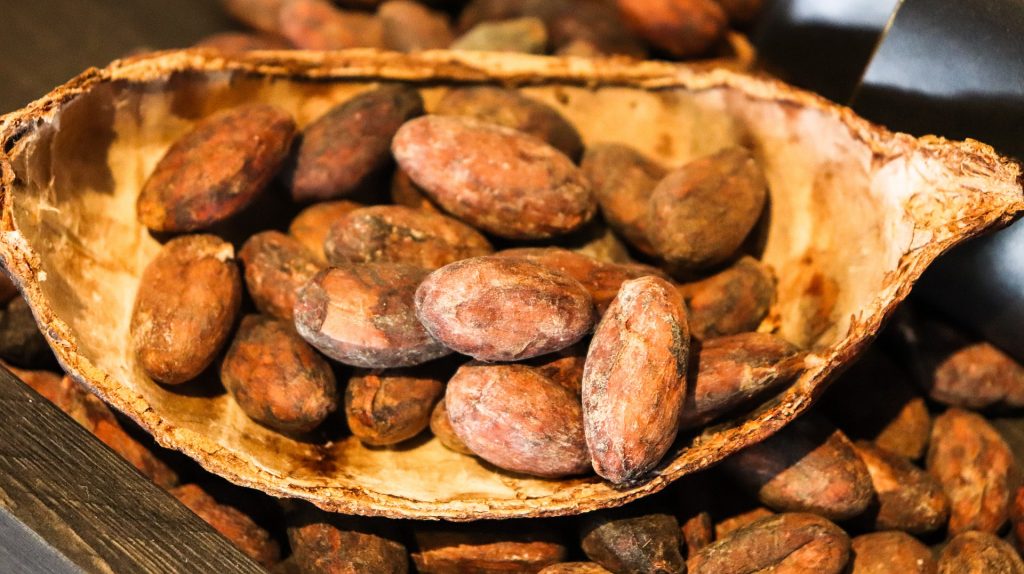
Cacao and cocoa are both milled and processed from the cocoa bean, but cacao is processed at a low temperature and considered raw. Cacao contains antioxidants, vitamins, minerals, and protein.
Cocoa is the term used to refer to the heated form of cacao. Cocoa undergoes a higher temperature during the processing and some of the nutrients are lost, although it still retains antioxidants.
Cacao is stronger flavored than cocoa. Dutch-process cocoa is cocoa that has been treated with an alkalizing agent to modify its color and give it a milder taste. Dutch cocoa forms the basis for much of modern chocolate.
In the 1980s phenylethylamine (PEA) was discovered in chocolate. PEA acts as a CNS stimulant and increases the brain’s production of norepinephrine and dopamine-producing the euphoric effect often associated with a “runner’s high.” Cacao also helps to boost anandamide, a fatty acid neurotransmitter, which is also known as the “bliss molecule.” And cacao contains theobromine which has an effect like that of caffeine in the nervous system.
No wonder why so many of us love chocolate!
Recently, there have been studies that found that cocoa flavonoids including epicatechin have an anti-diabetic effect by enhancing insulin secretion, improving insulin sensitivity in peripheral tissues, exerting a lipid-lowering effect, and preventing the inflammatory and oxidative damages of the disease. (2)(3)(4)
Chocolate is often heavily sweetened as in See’s candy, but there are many chocolate bars that contain more cacao or cocoa and less sugar. Lately, I have purchased cacao powder and have been making a hot drink with coconut milk, monk sugar, and spices.
My daughter and I are going to start a new tradition this holiday season. We are not going to gift See’s candy, but instead, we are going to gift cacao.
1 TB Cacao powder has
Sugar Free Mexican Drinking Chocolate
Combine is a small saucepan and whisk until the consistency is smooth and silky. Pour into mugs. Give thanks. Enjoy.
References:

A 12-year-old with new-onset hyperglycemia presents to the Emergency Room with positive urine ketones and blood sugar of 283. What action is required most immediately?
Click here to test your knowledge!
This series is designed for health care professionals who are interested in getting started in diabetes education and for those actively working toward becoming a Certified Diabetes Care and Education Specialist. Each course in this series provides the critical building blocks and foundation for those entering the diabetes field. Plus, they prepare you to advance to our Level 2 Standards of Care Intensive Courses.
Join us for our 2021 Live Webinar Updates. All courses air at 11:30 a.m. (PST)

Instructor: Beverly Thomassian RN, MPH, CDCES, has been Board Certified in Advanced Diabetes Management for over 20 years. She is an Associate Clinical Professor at UCSF and Touro University and a nationally recognized diabetes expert.
Sign up for Diabetes Blog Bytes – we post one daily Blog Byte from Monday to Friday. And of course, Tuesday is our Question of the Week. It’s Informative and FREE! Sign up below!
[yikes-mailchimp form=”1″]
Accreditation: Diabetes Education Services is an approved provider by the California Board of Registered Nursing, Provider 12640, and Commission on Dietetic Registration (CDR), Provider DI002. Since these programs are approved by the CDR it satisfies the CE requirements for the CDCES regardless of your profession.*
The use of DES products does not guarantee the successful passage of the CDCES exam. CBDCE does not endorse any preparatory or review materials for the CDCES exam, except for those published by CBDCE.
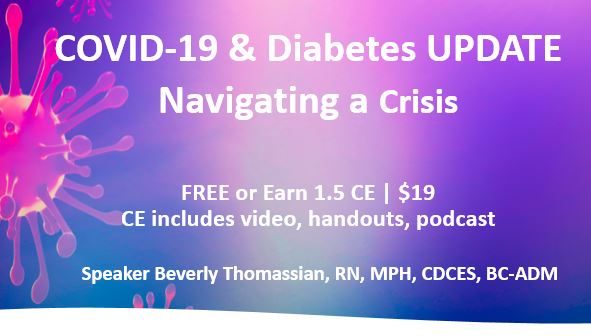
Recorded & Ready for Viewing
Coach Beverly Thomassian, RN, MPH, CDCES, BC-ADM, has completely updated this critical presentation, to bring health care professionals up-to-date on the current state of COVID and its impact on diabetes care. She summarizes key information including critical teaching points and management strategies for people with diabetes who develop a COVID-19 infection.
Topics Include:
Join us to learn critical information about Diabetes and COVID Management
Instructor: Beverly Thomassian RN, MPH, CDCES, has been Board Certified in Advanced Diabetes Management for over 20 years. She is an Associate Clinical Professor at UCSF and Touro University and a nationally recognized diabetes expert.
See Full Free Resource Catalog
Sign up for Diabetes Blog Bytes – we post one daily Blog Byte from Monday to Friday. And of course, Tuesday is our Question of the Week. It’s Informative and FREE! Sign up below!
[yikes-mailchimp form=”1″]
Accreditation: Diabetes Education Services is an approved provider by the California Board of Registered Nursing, Provider 12640, and Commission on Dietetic Registration (CDR), Provider DI002. Since these programs are approved by the CDR it satisfies the CE requirements for the CDCES regardless of your profession.*
The use of DES products does not guarantee the successful passage of the CDCES exam. CBDCE does not endorse any preparatory or review materials for the CDCES exam, except for those published by CBDCE.
Our November 24th Question of the week was crazy hard and super simple at the same time. Less than half, 44% of respondents, chose the best answer, We thought that this was an important topic to discuss further, so we can pass on correct info to people living with diabetes.
Before we start though, if you don’t want any spoilers and haven’t tried the question yet, you can answer below: Answer Question
Question: JR is going to stay home for Thanksgiving and decided to prepare a fantastic dinner. JR has type 1 diabetes and injects bolus insulin before each meal. JR takes 1 unit of insulin for each 10 gms of carbohydrates.
Using myfitnesspal to calculate JRs carb intake for the following festive meal, how much insulin would JR need to inject?
Answer Choices:
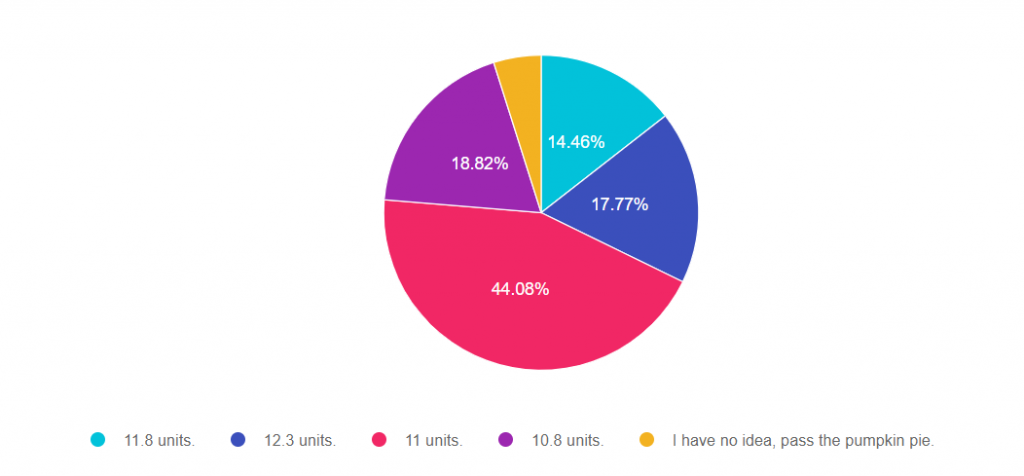
As shown above, the most common choice was option 3, the second most common answer was option 4, then option 2, then option 1, and finally option 5.
If you are thinking about taking the certification exam, this practice test question will set you up for success. Test writers may lure you in to choosing a more complicated answer, when the simplest answer may be the best choice. That is true for this question.
The most important feature of this question is “how much insulin would JR need to inject?” Since he is injecting insulin, no syringe or pen would allow him to inject 1/10th of a unit. Based on this info, the only plausible answer is 11 units or answer 3. But, for fun, here is the carb calculation.
JR will be eating 109 gms of carb. His insulin to carb ratio is 1/10. 109 / 10 = 10.9 units of insulin, then round up to 11 units.

Answer 1 is incorrect. 14.46% chose this answer. “11.8 units .”
Answer 2 is incorrect. 17.77% of you chose this answer. “12.3 units.”
Answer 3 is correct. 44.08% of respondents chose this. “11 units.”
Answer 4 is incorrect. 19.49% chose this answer. “10.8 units.”
Answer 5 is incorrect. 4.88% chose this answer. ” I have no idea, pass the pumpkin pie.”
We hope you appreciate this week’s rationale! Thank you so much for taking the time to answer our Question of the Week and participate in this fun learning activity!
Our November 17th Question of the week quizzed test takers on COVID-19 and diabetes. Less than half, 48% of respondents, chose the best answer, We thought that this was an important topic to discuss further, so we can pass on correct info to people living with diabetes.
Before we start though, if you don’t want any spoilers and haven’t tried the question yet, you can answer below: Answer Question
Question: COVID cases are surging throughout the United States. Providing the best care for people with diabetes is especially important during this crisis. Which of the following statements regarding diabetes and COVID is most accurate?
Answer Choices:
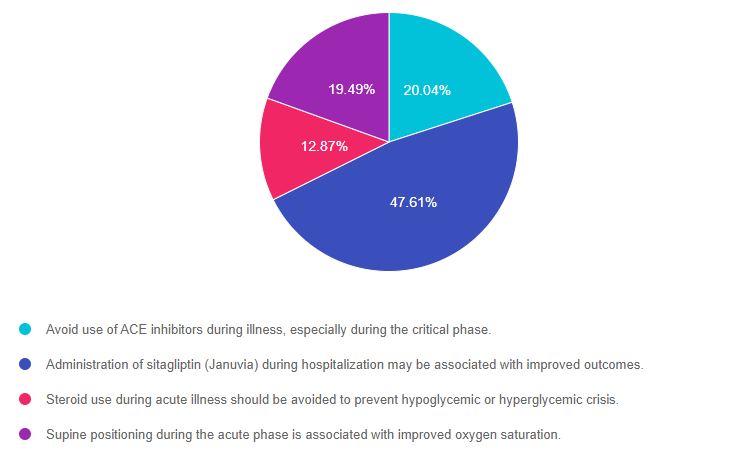
As shown above, the most common choice was option 2, the second most common answer was option 1, then option 4, and finally option 3.
If you are thinking about taking the certification exam, this practice test question will set you up for success. Test writers anticipate possible answers based on the details in the question. They will wave those “juicy answers” right under your nose. Your job is to weed through the particulars, pluck out the most important elements and choose the BEST answer.
Answer 1 is incorrect. 20.04% chose this answer. “Avoid use of ACE inhibitors during illness, especially during the critical phase.” Since the corona virus enters the body via ACE2 receptors, some early recommendations included stopping ACE inhibitors in those with COVID-19. However, scientists quickly discovered that stopping ACE inhibitors did NOT improve outcomes and that ACE inhibitors should be continued.
Answer 2 is correct. 47.61% of you chose this answer. “Administration of sitagliptin (Januvia) during hospitalization may be associated with improved outcomes.” YES. New research demonstrates that people with diabetes and COVID-19 started sitagliptin (Januvia) on hospital admission, experience dramatic decreases mortality and improved outcomes.
See our Blog Post – Sitagliptin Improves Outcomes here
Answer 3 is incorrect. About 12.87% of respondents chose this. “Steroid use during acute illness should be avoided to prevent hypoglycemic or hyperglycemic crisis.” It is true that steroids can contribute to hyperglycemia in people with diabetes. However, since steroids have been shown to be lifesaving for very ill people with COVID, with or without diabetes, research supports administering the steroid while managing resultant hyperglycemia with insulin therapy.
Finally, Answer 4 is incorrect. 19.49% chose this answer. “Supine positioning during the acute phase is associated with improved oxygen saturation.” Research has shown that “prone” positioning (laying on belly) can improve alveolar oxygenation and outcomes. More info here.
We hope you appreciate this week’s rationale! Thank you so much for taking the time to answer our Question of the Week and participate in this fun learning activity!
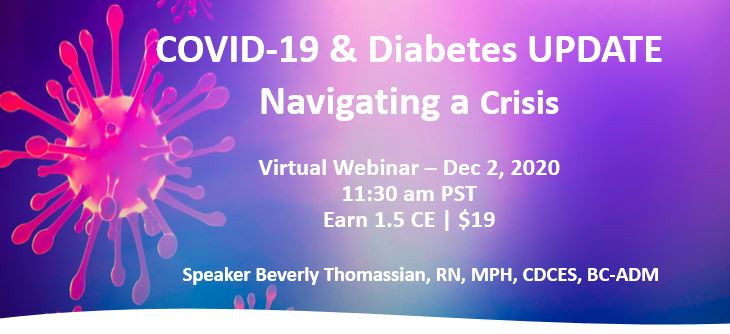
Purchase recording of our Live Webinar on December 2 | Earn 1.5 CE | $19
With the surge in new COVID cases, what is the essential information health care professionals and Diabetes Specialists need to navigate this overwhelming crisis?
What are the best practices to care for people with diabetes and COVID-19 in the outpatient and hospital setting?
Coach Beverly Thomassian, RN, MPH, CDCES, BC-ADM, has completely updated this critical presentation, to bring health care professionals up-to-date on the current state of COVID and its impact on diabetes care. She summarizes key information including critical teaching points and management strategies for people with diabetes who develop a COVID-19 infection.
Topics Include:
If you miss the live version, your registration guarantees access to the recorded version.
Join us to learn critical information about Diabetes and COVID Management
Instructor: Beverly Thomassian RN, MPH, CDCES, has been Board Certified in Advanced Diabetes Management for over 20 years. She is an Associate Clinical Professor at UCSF and Touro University and a nationally recognized diabetes expert.
Sign up for Diabetes Blog Bytes – we post one daily Blog Byte from Monday to Friday. And of course, Tuesday is our Question of the Week. It’s Informative and FREE! Sign up below!
[yikes-mailchimp form=”1″]
Accreditation: Diabetes Education Services is an approved provider by the California Board of Registered Nursing, Provider 12640, and Commission on Dietetic Registration (CDR), Provider DI002. Since these programs are approved by the CDR it satisfies the CE requirements for the CDCES regardless of your profession.*
The use of DES products does not guarantee the successful passage of the CDCES exam. CBDCE does not endorse any preparatory or review materials for the CDCES exam, except for those published by CBDCE.