
Subscribe
eNewsletter

Ready to get certified?
Free CDCES Coach App

eNewsletter
Free CDCES Coach App

Our Diabetes Detective Team scans the diabetes news to discover the most relevant info that Diabetes Educators need in their daily practice. We post one daily Blog Byte from Monday to Friday. And of course, Tuesday is our Question of the Week. It’s Informative and FREE! Sign up below!

We’re updating our DiabetesEd Specialist Boot Camp throughout February and March. See the full schedule here.
In each webinar, Coach Beverly highlights the critical content of each topic area, so you can focus your study time most efficiently. She also launches multiple poll questions to helps students focus on key concepts and assess their knowledge while learning the best test-taking strategies.
Sign up for Diabetes Blog Bytes – we post one daily Blog Byte from Monday to Friday. And of course, Tuesday is our Question of the Week. It’s Informative and FREE! Sign up below!
[yikes-mailchimp form=”1″]
A study released in the JAMA Pediatrics Journal revealed that approximately 18% of adolescents ages 12-18, and 24% of young adults ages 19-34 have prediabetes. These numbers have risen over the past ten years, putting young people at risk for developing Type 2 diabetes, heart disease, and other conditions down the line.
The authors of the new study says its findings:
“highlight the need for primary and secondary prevention efforts tailored to the young segment of the US population.”

The study analyzed nearly 5,800 individuals and found that prediabetes was more prevalent in males than females, both in the adolescents and young adults category. For adolescents, the study found 22.5% of males had prediabetes while 13.4% of females had prediabetes. For young adults, the ratio was 29.1% vs 18.8%.
To decrease rates of prediabetes in youth, we need to support access to healthy living resources to prevent or delay type 2 diabetes and other serious health problems.
Read more on CNN health.
Sign up for Diabetes Blog Bytes – we post one daily Blog Byte from Monday to Friday. And of course, Tuesday is our Question of the Week. It’s Informative and FREE! Sign up below!
[yikes-mailchimp form=”1″]
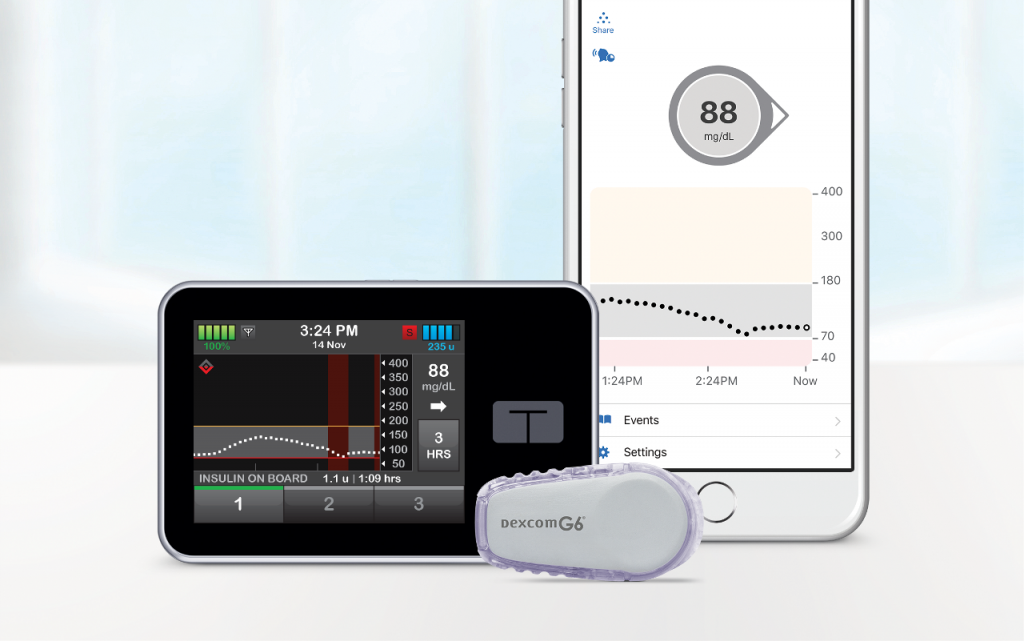
Tandem Diabetes Care announced the commercial USA launch of the t:slim X2 Insulin Pump with Control-IQ Technology.
The Tandem t:slim X2 with Control-IQ is a hybrid closed-loop insulin delivery system.
The Tandem t:slim X2 with Control-IQ is first and only system cleared to deliver automatic correction boluses in addition to adjusting insulin to prevent high and low blood glucose levels. The system integrates with the Dexcom G6 CGM which requires no fingersticks for calibration or diabetes treatment decisions. The goal is to increase time in range (70-180 mg/dL) for users.
Tandem President & CEO John Sheridan stated study participants and investigators have described Control-IQ Technology as “life-changing,” “easy to use,” and “a new standard of care in insulin therapy management.”
Control-IQ Technology system:
Other variables used in this hybrid closed system are:
Individual emails are being sent out to in-warranty t:slim X2 users for possible upgrades.
Technology is moving forward with improved automation and usability which is good news for people living with diabetes.
Read more here.
Written by Catherine Cullinane RN, CDCES, our resident Tech Thursday Content Writer
Sign up for Diabetes Blog Bytes – we post one daily Blog Byte from Monday to Friday. And of course, Tuesday is our Question of the Week. It’s Informative and FREE! Sign up below!
[yikes-mailchimp form=”1″]
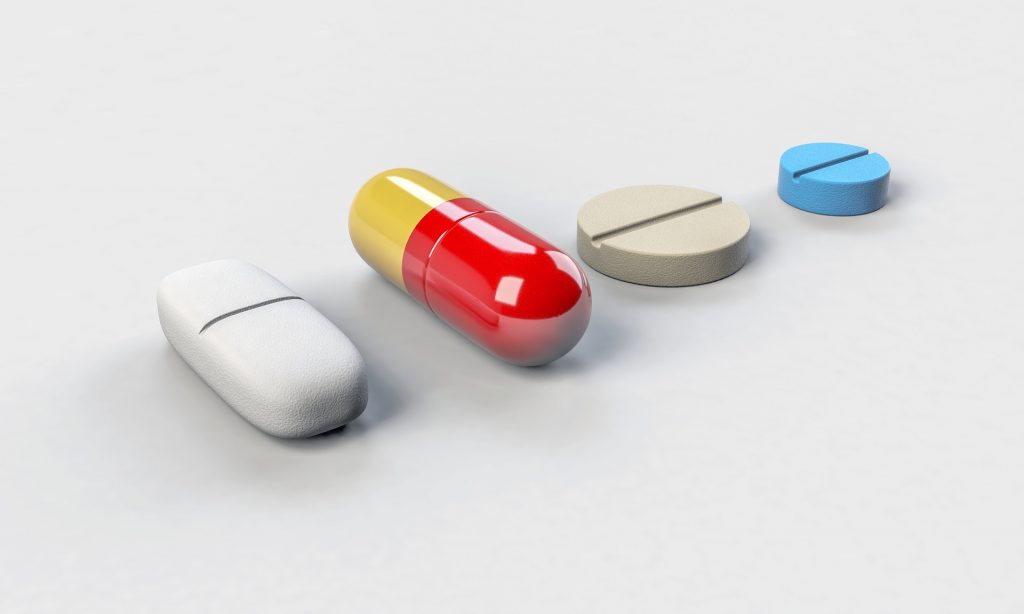
The FDA made history last month by approving the first-ever triple combination pill for type 2 diabetes. This medication can help simplify the medication regimen for people living with type 2 diabetes.
As the director of the diabetes research unit at the University of Texas Health Science Center at San Antonio, Ralph A. DeFronzo, MD, said, “Type 2 diabetes is a complex disease that often requires the use of multiple antidiabetic medications to improve glycemic control. Having three different diabetes medications in a single tablet is an important advance in diabetes treatment.”
Known as Trijardy XR, this medication combines the SGLT2 inhibitor empagliflozin, the DPP-IV inhibitor linagliptin, and metformin extended-release. Both empagliflozin and linagliptin lower blood glucose and empagliflozin has the added benefit of reducing the risk of cardiovascular death and chronic heart failure for those living with cardiovascular disease or chronic heart failure.
Additionally, a trial that was presented at the American Diabetes Association (ADA) Scientific Sessions by Healio found that linagliptin will not increase the risk for a cardiovascular event, nor will it contribute to the progression of renal disease among people with type 2 diabetes. This trial, known as the CARMELINA trial, was conducted over six years, across a group of 6,000 people. The trial demonstrated that no “between-group differences for the incidence of nonfatal myocardial infarction, nonfatal stroke and CV death during a median of 6 years.”
There is no information on pricing as of yet. Read more about Trijardy here.
Sign up for Diabetes Blog Bytes – we post one daily Blog Byte from Monday to Friday. And of course, Tuesday is our Question of the Week. It’s Informative and FREE! Sign up below!
[yikes-mailchimp form=”1″]

Our February Newsletter celebrates the future of diabetes care and education. As we settle into the year with a new title, amazing advances in health tech, and a person-centered approach, we are excited about what’s ahead! Our newsletter and Blog Bites are focused on filling the knowledge gaps while honoring these changes, as we move into a new era of diabetes care and education.
Sign up for our Monthly Newsletter
Every weekday our Diabetes Detective Team scans the news to discover and report on the most relevant info that Diabetes Ed Specialists need for their daily practice.
The FDA made history last month by approving the first-ever triple combination pill for type 2 diabetes. This medication can help simplify the medication regimen for people living with type 2 diabetes.
As the director of the diabetes research unit at the University of Texas Health Science Center at San Antonio, Ralph A. DeFronzo, MD, said, “Type 2 diabetes is a complex disease that often requires the use of multiple antidiabetic medications to improve glycemic control. Having three different diabetes medications in a single tablet is an important advance in diabetes treatment.”
Known as Trijardy XR, this medication combines the SGLT2 inhibitor empagliflozin, the DPP-IV inhibitor linagliptin, and metformin extended-release. Both empagliflozin and linagliptin lower blood glucose and empagliflozin has the added benefit of reducing the risk of cardiovascular death and chronic heart failure for those living with cardiovascular disease or chronic heart failure.
Additionally, a trial that was presented at the American Diabetes Association (ADA) Scientific Sessions by Healio found that linagliptin will not increase the risk for a cardiovascular event, nor will it contribute to the progression of renal disease among people with type 2 diabetes. This trial, known as the CARMELINA trial, was conducted over six years, across a group of 6,000 people. The trial demonstrated that no “between-group differences for the incidence of nonfatal myocardial infarction, nonfatal stroke and CV death during a median of 6 years.”
There is no information on pricing as of yet. Read more about Trijardy here.
Sign up for Diabetes Blog Bytes – we post one daily Blog Byte from Monday to Friday. And of course, Tuesday is our Question of the Week. It’s Informative and FREE! Sign up below!
[yikes-mailchimp form=”1″]
Our Diabetes Detective Team scans the diabetes news to discover the most relevant info that Diabetes Educators need in their daily practice. We post one daily Blog Byte from Monday to Friday. And of course, Tuesday is our Question of the Week. It’s Informative and FREE! Sign up below!
We’re updating our DiabetesEd Specialist Boot Camp throughout February and March. See the full schedule here.
In each webinar, Coach Beverly highlights the critical content of each topic area, so you can focus your study time most efficiently. She also launches multiple poll questions to helps students focus on key concepts and assess their knowledge while learning the best test-taking strategies.
Sign up for Diabetes Blog Bytes – we post one daily Blog Byte from Monday to Friday. And of course, Tuesday is our Question of the Week. It’s Informative and FREE! Sign up below!
[yikes-mailchimp form=”1″]
Many people with type 1 diabetes purchase dogs specifically trained to detect hypoglycemia and alert the owner of impending low blood sugar. The dogs can cost thousands of dollars and are often described as “lifesaving”.

Unfortunately, some of the dog training companies have faced lawsuits or complaints from consumers that the dogs are not effective. And even though they may be called a “certified” alert dog, there are generally no standardized regulations or performance criteria to earn that recognition.
Available studies results indicate that, “Overall, they [diabetic alert dogs] really were not that reliable or accurate,” says University of Virginia psychologist Linda Gonder-Frederick tracked the performance of 14 diabetic alert dogs in a 2017 study .
While researchers have found little evidence that dogs can reliably sniff out blood sugar changes, they have encountered a kind of paradox: People who get alert dogs tend to do better with their diabetes.
It turns out that the dogs may be a pleasant reminder to check blood glucose and attend to their diabetes. And, the dogs can help people feel less alone and provide comfort when dealing with a daily condition that can be very overwhelming.
Read More Here from NPR: The Hope and Hype of Diabetic Alert Dogs
Sign up for Diabetes Blog Bytes – we post one daily Blog Byte from Monday to Friday. And of course, Tuesday is our Question of the Week. It’s Informative and FREE! Sign up below!
[yikes-mailchimp form=”1″]

We want to send a big thank you to one of our community members, Rachel Newman, RN, who forwarded us these amazing resources!
Below is a list of resources that range from tips to managing diabetes through nutrition and sleep, the health impacts of diabetes and aging, financial assistance, and tips on how to discuss treatment plans with providers.
Diabetes and Aging – The combination of aging and diabetes can even make some health problems worse. This article addresses what to look out for to prevent any further health issues.
Diabetes and Nutrition – Tips for managing blood sugar and how eating well can help manage blood sugar.
Diabetes and Sleep – Steps to get a better night’s sleep and how sleep can help those living with diabetes or prediabetes.
Financial Assistance for Diabetes Patients – Information and assistance for private and government health insurance, local programs, support groups, and medicine-assistance programs.
Talking with Your Doctor about Your Treatment – A great resource to help people with diabetes discuss their treatment plans with their providers.
Sign up for Diabetes Blog Bytes – we post one daily Blog Byte from Monday to Friday. And of course, Tuesday is our Question of the Week. It’s Informative and FREE! Sign up below!
[yikes-mailchimp form=”1″]