November Newsletter – World Diabetes Day, Flu Risk and Holiday Survival Guide
 November Newsletter is here!
by Coach Beverly
Beverly Thomassian, RN, MPH, CDCES®, BC-ADM
November Newsletter now available!
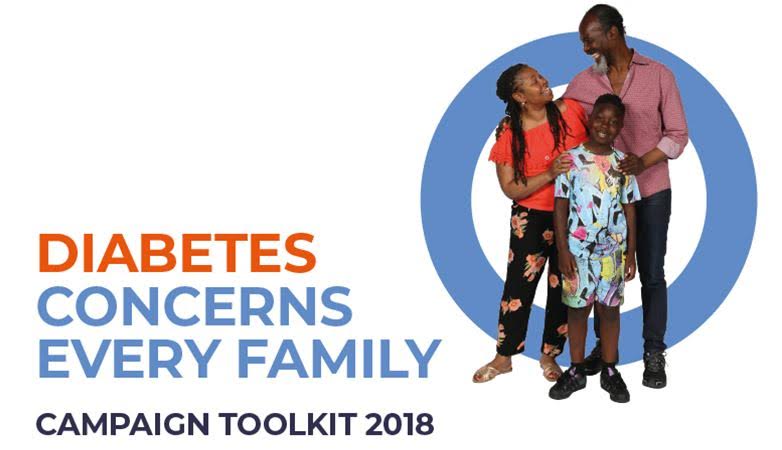
The theme of this Diabetes Month Celebration focuses on the family unit. Families play an active role in preventing diabetes, supporting each other in making healthier choices and coaching each other to keep moving forward! Articles include:
- Diabetes Concerns Every Family
- Flu Risk – Vaccines Save Lives
- Holiday Survival Guide
- and more!
Click here to read our newsletter!
Our Diabetes Detective Team scans the diabetes news to discover the most relevant info that Diabetes Educators need in their daily practice. We post one daily Blog Byte from Monday to Friday. And of course, Tuesday is our Question of the Week. It’s Informative and FREE! Sign up below!
[yikes-mailchimp form=”1″]
Special Election Day Question of the Week!
Special Election Day Question of the Week – today you get to vote twice!
- In the Midterm Elections.
- Best answer for our Question of the Week!
Click here to take the question of the week >> November 6th, 2018!
Our Diabetes Detective Team scans the diabetes news to discover the most relevant info that Diabetes Educators need in their daily practice. We post one daily Blog Byte from Monday to Friday. And of course, Tuesday is our Question of the Week. It’s Informative and FREE! Sign up below!
Sign Up for Diabetes Blog Bytes Today
Do you know the best way to prepare for the CDCES exam? Want more questions like this? Really test your knowledge and prepare with our 1-Year Subscription, with over 34 online courses and 49.35 CEs.
You can also download our free CDCES Coach App!
This blog needs a little more work :)
We apologize for the inconvenience, please enjoy other recent Blog Byte:
 Recent Blog Bytes:
Mindful Monday | Daylight Savings – Tips to stay healthy during the dark days
 With our digital clocks now automatically adjusting, technology seems to have made daylight savings pretty easy on us. However, we can’t say the same for our internal clocks.
Scientists have discovered that the time shift can actually be detrimental to our overall health. In addition to the master clock in our brains, every cell has a “time-keeping mechanism” helping us regulate important functions in the body such as metabolism and sleep.
Because our bodies are hard-wired to to synchronize with the 24 hour cycle, the time shift can have a big influence on mental and physical health.
Scientists have discovered that the shift in time can cause an increased risk of heart attacks, affect mood, alter our diets and increase rates of traffic accidents.
Luckily, NPR has shared a few tips on how to prepare for the shorter days ahead and keep your physical and mental health in mind:
- Adjust your bedtime – with the time shift, we have more daylight to enjoy in the morning. Go to bed an hour early to enjoy the sunshine in the morning.
- Make nutrition a priority – be sure to stock your pantry with nutritious foods and snacks. It’s easy to eat unhealthy during the winter months.
- Enjoy an early dinner and keep it light – make lunch your main meal. Eating the majority of calories earlier in the day can help stave off unwanted weight-gain.
- Get involved with a group activity or club – engaging socially is important and can help fight seasonal depression.
- Take a trip south – Travel to a location with more sun, if even for a few days. Make sure to enjoy outside light as much as you can throughout the day.
To learn more, please enjoy: We Just ‘Fell Back’ An Hour. Here Are Tips To Stay Healthy During Dark Days Ahead – NPR
Our Diabetes Detective Team scans the diabetes news to discover the most relevant info that Diabetes Educators need in their daily practice. We post one daily Blog Byte from Monday to Friday. And of course, Tuesday is our Question of the Week. It’s Informative and FREE! Sign up below!
[yikes-mailchimp form=”1″]
Diabetes and Above Target Weight Increase Flu Risk – Vaccinations Save Lives
 Research conducted by the University of Queensland has shown that the increased prevalence of chronic conditions such as diabetes and above target weight, will cause more hospitalizations if there is a major flu outbreak.
A factor contributing to this likelihood, is that people who are above target weight or have diabetes, are more likely to get the flu. Plus, this same group is often antibiotic resistant. Which means they may not respond to antibiotics if they get a secondary infection. This can turn a mild flu season into a severe outbreak.
Individuals who are obese or have diabetes “are more likely to be hospitalised or die from the flu,” though it is not yet fully understood why this is the case. These conditions may have a significant affect on immune response which protects against foreign virus’. The inability to fight off a virus may cause a rapid spread of infectious disease.
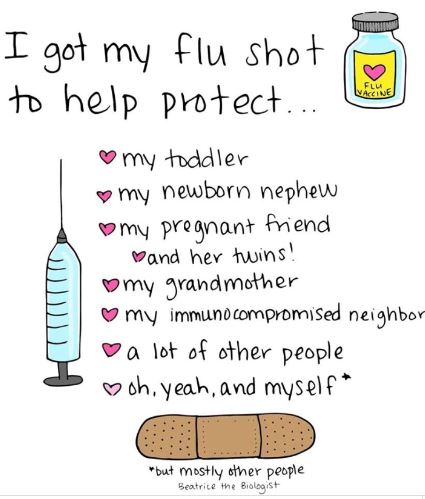
Everyone over the age of six months should get an annual flu vaccine.
Scientist believe that the next flu pandemic is eminent as the rates of chronic disease and antibiotic resistance continue to increase. This pandemic may mirror the 1918 Spanish flu that killed between 50-100 million people.
Antibiotic resistance also plays a key role in the spread of infectious diseases. In 1918, many people perished due to the lack of antibiotics. We are now facing a similar situation as many bacteria are becoming resistant to these antibiotics. Climate change may also have a significant impact on the immune response as risk for malnutrition from crop losses increases. Climate change is also affecting animal behavior, such as bird migration patterns, “which can contribute to the spread of the flu.”
Dr. van de Sandt of the University of Queensland states that, “there is a lot to be concerned about, and we still don’t have a vaccine to protect against all the strains of influenza.” Developing a new vaccine is the next big step in preventing this pandemic. Decreasing the rates of diabetes and above target weight will also make a significant impact on immunity and flu prevention.
For more information, visit Rise of diabetes could exacerbate future flu pandemics.
Free Resource Friday – Preparing for the CDCES Exam Webinar!
Join us for free on November 8th @ 11:30 am PST
 Join us to get ready to succeed a the CDCES Exam. This course will transform your test anxiety into calm self-confidence and test taking readiness.
Topics covered include:
- Changes in requirements for 2018
- Exam eligibility and test format
- Strategies to succeed
- Review of study tips and test taking tactics.
We will review sample test questions, and the reasoning behind choosing the right answers.
After registering, you will receive a confirmation email containing information about joining the webinar.
Intended Audience: This FREE webinar is designed for individual or groups of diabetes educators, including RNs, RDs, Pharmacists, Nurse Practitioners, Clinical Nurse Specialists, Physician Assistants and other health care providers interested in achieving excellence in diabetes care and becoming Certified Diabetes Care and Education Specialists®.
Instructor: Beverly Thomassian RN, MPH, CDCES, BC-ADM is a working educator who has passed her CDCES Exam 6 times. She is a nationally recognized diabetes expert for over 25 years.
See our Preparing for CDCES Resource Page >>

Mindful Monday | “Social Jet Lag” and Risk of Heart Disease
 An abundance of research supports getting adequate sleep for adequate growth and overall health. Health risks increase when an individual is sleep deprived. Sleep deprivation increases risk for type 2 diabetes, high blood pressure, heart disease, and insulin resistance.
In addition, new research by the academic journal “Sleep,” has shown that,”Social Jet Lag” waking up at different times on the weekends vs. weekdays, may increase the risk of heart disease.
Current research by Duke University Medical Center demonstrated that individuals with what is referred to as “social jet lag” may also have an increased risk of depression and stress than subjects who woke up at the same time consistently. The connection thus far is not clear as some researchers believe that, “poor sleep interferes with the body’s metabolism which can lead to weight gain” which creates a vicious cycle of poor sleep and weight gain. Previous studies have also shown that a varied sleep schedule can lead to the development of obesity and type 2 diabetes.
The authors conclude that further research is needed to determine why individuals who get less sleep are gaining weight and increasing their risk for cardiometabolic conditions.
For more information on “social jet lag” and its effects on cardiometabolic health, visit A regular bedtime may benefit your heart and metabolism”
Sign up for Diabetes Blog Bytes – we post one daily Blog Byte from Monday to Friday. And of course, Tuesday is our Question of the Week. It’s Informative and FREE! Sign up below!
[yikes-mailchimp form=”1″]
Free Resource Friday – DiaBingo Game
This Friday, we are happy to offer our student favorite, DiaBingo – Makes Learning about Diabetes fun!
An educational tool to increase knowledge of diabetes self-management terms and goals of care. In Spanish and English.
Players learn about diabetes management while having fun! A must have for support groups and in the classroom setting.
Perfect for Diabetes Awareness Activities. Up to 30 Can play! English on one side, Spanish on the other.
- 2 DiaBingo Master Question and Answer Sheets
- 30 DiaBingo Answer Cards
. DiaBingo is now available to download for free in English and Spanish!
Simply print out the player cards and choose items to use as markers to get started.
The questions are designed by our experts to help players become informed about diabetes and self-care in an upbeat and entertaining way. You are welcome to customize these questions as needed to make it relevant to your group.
Sign up for Diabetes Blog Bytes – we post one daily Blog Byte from Monday to Friday. And of course, Tuesday is our Question of the Week. It’s Informative and FREE! Sign up below!
[yikes-mailchimp form=”1″]


