“Household cleaners may alter kid’s gut flora”
 A study conducted by the Canadian Medical Association has found that common household disinfectants may increase the risk of obesity in children. The chemicals present in cleaning products we use every single day may alter the gut flora of children in their first few months of life. However, the children in households that used eco-friendly cleaners were less likely to be overweight.
Researchers from across Canada looked at data on microbes in infant fecal matter among children enrolled in the Canadian Healthy Infant Longitudinal Development (CHILD) birth cohort. The study assessed 757 infants from the ages of three-four months. Their gut flora and BMI were recorded for the purpose of this research. Researchers found that, “infants living in households with disinfectants being used at least weekly were twice as likely to have higher levels of the gut microbes Lachnospiraceae at age three to four months.” said principal investigator Anita Kozyrskyj, a professor of pediatrics at the University of Alberta.
Lachnospiraceae is a common bacteria in the gut that is non-pathogenic. The children who were not exposed to disinfectants at an early age had lower BMIs than those with frequent exposure.
“When they were three years old, their body mass index was higher than children not exposed to heavy home use of disinfectants as an infant,” she added.
In contrast, the study found that babies living in households that used eco-friendly cleaners had different microbiota and were less likely to be overweight as toddlers.
No exact evidence has been found that changes of the microbiome may actually be linked to obesity. However, they call for further studies “to explore the intriguing possibility that use of household disinfectants might contribute to the complex causes of obesity through microbially mediated mechanisms.”
“Cleaning products have the capacity to change the environmental microbiome and alter risk for child overweight,” write the authors.This is particularly important during the developmental stages of life.
For more information on household cleaners and gut flora, visit Household cleaners may alter kid’s gut flora and contribute to being overweight.
Contributed By: Sofia Sepulveda
Mindfulness and Compassion in the Diabetes Encounter Webinar
 Mindfulness and Compassion in the Diabetes Encounter
A Special FREE Webinar for Diabetes Educators –
October 19th at 11:30am (PST)

Being a diabetes educator can be challenging. This one-hour presentation by Heather Nielsen, MA, LPC, CHWC will provide diabetes educators with helpful hands-on strategies to incorporate mindfulness and self-compassion into our daily lives and professional practice. As a counselor and a certified wellness coach, Heather has an abundance of wellness wisdom to share with educators who provide lifesaving diabetes education and support to people living with diabetes.
Objectives:
- Understand why mindfulness and compassion skills can positively affect both our personal and professional lives-and participant outcomes.
- Experience several types of mindfulness and compassion practices.
- Discuss and plan how you can take these tools into your work and personal lives.
- Gain new resources to use following the workshop.

Guest speaker: Heather Nielsen, MA, LPC, CHWC
Since 2001, Heather has worked in both medical and behavioral health fields. She is currently a Licensed Professional Counselor and Certified Health and Wellness Coach at Heather Nielsen Counseling and Coaching. Her personal mission is to help people with diabetes find balance, peace and well-being.“We all need help in managing chronic illness, and I specialize in helping people live well, despite diabetes. With practice and presence, we can learn to transform our brains and our minds, thus finding healthier ways to relate to our disease and to life. I offer a very individualized approach for each client.”
Resources and Further Reading
Self-Care and Compassion for Diabetes Educators – August Newsletter, 2018. Features article by Heather Nielsen
Can Mindfulness Help Stop Health Worker Burnout? – highlights the benefits and limitations of formal mindfulness training for Health Care professionals’ stress.
Getting Started with Mindfulness – a popular and accessible magazine, Mindful, provides tips and tools for getting started on mindfulness practice.
Best Meditation Apps for 2018 – an article reviewing the best apps for meditation/happiness.
Mindfulness Self Compassion, Dr. Kristen Neff website which provides an abundance of resources and information on self-compassion.
Emindful.com – an online mindfulness teaching center.
Quincy the Koala Sports a CGM
 Quincy the Queensland Koala was lethargic and kept drinking lots of water. The veterinary staff at the Los Angeles Zoo diagnosed diabetes and then asked a team of experts for help.
Thanks to the expertise of Dr. Athena Philis-Tsimikas, of the Scripps Whittier Diabetes Institute, Quincy is now sporting his very own CGM. His blood sugars are carefully tracked by Dr. Philis-Tsimikas and the medical team.
Quincy doesn’t weight enough to comfortably wear an insulin pump, so daily injections are required. And, since he is so tiny, insulin doses are minuscule to avoid hypoglycemia.
The good news is the Quincy is keeping a healthy weight and continues to be active.
Great job team!
Read more about Quincy in A SweetLife News
To learn more, enjoy: What do you call a koala who is too sweet for its own good? Diabetic – Clinical Endocrinology Today
Obesity Rates Rise in America
 Nearly 40% of adults in the United States are now considered obese and another 30% are overweight.
The Centers for Disease Control and Prevention have stated that, “the average American man now stands at 5’9 and weighs 196 pounds which is 15 pounds higher from 20 years ago.
The average female today stands 5-feet-3 3/4 inches and weighs 169 pounds, a 20 pound increase over the past 20 years.
Rates of chronic diseases such as diabetes, heart disease, and metabolic disease have mirrored the rise of obesity.
According to the CDC, the United States as a whole is consuming more energy than they are burning. The more complex answer however relates to the food environment of this country and how it influences what we eat and how much we eat.
The biggest concern according to Scott Kahan, the director of the National Center for Weight and Wellness, is that, “the unhealthiest foods are the tastiest foods, the cheapest foods, the largest-portion foods, the most available foods, the most fun foods.”
An article published by Vox magazine demonstrates just how exactly our food environment is affecting the health outcomes of the United States:
- Americans tend to eat out a lot. Convenience foods are an everyday part of our fast paced society. Americans are cooking less and spending more money eating out. Researchers have found that individuals usually eat 20-40% more calories when eating out.
- Portion sizes increased by four fold over the past decades. According to the Center for Disease Control, the average caloric intake of American citizens has risen by nearly 500 calories in just forty years. The average restaurant meal today is more than four times the size of typical 1950s fare.
- Easy access and consumption of sugary beverages, which increases likelihood of obesity and other chronic diseases.
- Under consumption of high fiber foods. The recommendation by the FDA is 1.5-2 cups of fruit and 2-3 cups of vegetables per day. However, only about 10% of Americans are consuming enough vegetables and 15% are meeting the guidelines for fruit.
- Many meals, especially breakfast, are often a “disguised dessert.” The added sugars and lack of fiber reduce nutrient density in our diets while simultaneously increasing calorie consumption.
In order to improve the health of our country, action to improve our food environment is critical. This means implementing public health initiatives to provide our communities with healthier choices through out their day and lives.
For more CDC Stats – See CDC Info Page on current U.S. Weight Trends
For more information on how our food environment is affecting health outcomes, visit “It’s easy to become obese in America.”
Link Between Diabetes and Breast Cancer
 In recognition of Breast Cancer Awareness Month, we want to help raise awareness and encourage action toward prevention
In the first of a two blog series, we highlight the relationship between diabetes and breast cancer.
A meta-analysis published in the British Journal of Cancer in 2012 that found “the risk of breast cancer in women with Type 2 diabetes is increased by 27 percent, a figure that decreased to 16 percent after adjustment for BMI.” This means that even when researchers controlled for overweight and obesity, there was still a 16% increased risk of getting breast cancer if diabetes was present.
This elevated risk of breast cancer is observed in Type 2 diabetes and among post-menopausal women.
If we dig a little deeper, it seems that both breast cancer and diabetes share risk factors associated with insulin resistance, including overweight or obesity, physical inactivity and genetics.
There also seems to be a relationship between the duration and severity of diabetes and the occurrence of breast cancer. It seems as diabetes progresses and affects the health of the body systems, the risk of breast cancer also increases.
Is there anything women can do to prevent diabetes and breast cancer?
The good news is yes. Women can reduce their risk of getting breast cancer by 15% by getting active, losing weight, and improving the nutritional quality of the foods consumed.
And, according to the Diabetes Prevention Program, people can reduce their risk of getting diabetes by up to 58% by losing 5-7% of their body weight and exercising for 150 minutes a week.
By investing in health on a daily basis the risk of breast cancer and diabetes decrease. It’s worth the work!
For more info:
Heart Health improves Brain Health
 Exciting study results were just released by the Journal of the American Medical Association. This study assessed cardiovascular health in older adults and sought to find an association between cardiovascular health and risk of dementia.
The results, published Tuesday, is a clear message to health care professionals and people with diabetes alike.
Focus on cardiovascular fitness for the sake of preserving cognitive health, experts said.
Cardiovascular health is commonly linked to chronic diseases of the body. However, taking care of cardio vascular health seems to have positive affects on brain health.
The study included 6,626 individuals aged 65 or older from various areas in France. Their scores of cardiovascular health were assessed using seven measures: diet, exercise, weight management, smoking status, blood pressure, blood sugar, and cholesterol. The subjects were given, “a score of 0,1, or 2 for each of the categories to reflect whether their compliance with the measures were poor, intermediate, or optimal.”
Results were compelling, “6.5% of study participants had optimal measurements for at least five of the seven categories.” With each additional measure met at optimal levels, “the risk of dementia fell by about 10%.” The study also took place over 8.5 years in which 745 of the 6,626 subjects were diagnosed with dementia.
Among the individuals with the lowest scores for cardiovascular health, risk for dementia increased “at a rate of 13.3 cases per 100 people.” Compared to those with the highest scores for cardiovascular health had much lower rates at 7.1 cases per 100 people. These results should encourage physicians and other medical professionals to understand and teach the importance of cardiovascular health to preserve cognitive function in their patients.
For more information on cardiovascular health and cognitive function, read the official study Association of Cardiovascular health level in older age with cognitive decline and incident dementia.
A summarized version by the Los Angeles Times may be accessed at The more you do to promote your cardiovascular health, the lower your risk of dementia.
Contributed by Sofia Sepulveda
FREE | Mindfulness and Compassion in the Diabetes Encounter Webinar
Join us, October 3rd @ 11:30 am – 1:00 pm PST
Mindfulness and Compassion in the Diabetes Encounter – A Special FREE Webinar for Diabetes Educators
Guest speaker: Heather Nielsen, MA, LPC, CHWC
Wednesday, October 3rd, 2018 at 11:30 a.m.
First come first serve, join 10 minute early to secure your seat in the webinar.
Being a diabetes educator can be challenging. This one-hour presentation by Heather Nielsen, MA, LPC, CHWC will provide diabetes educators with helpful hands-on strategies to incorporate mindfulness and self-compassion into our daily lives and professional practice. As a counselor and a certified wellness coach, Heather has an abundance of wellness wisdom to share with educators who provide lifesaving diabetes education and support to people living with diabetes.

Objectives:
- Understand why mindfulness and compassion skills can positively affect both our personal and professional lives-and participant outcomes.
- Experience several types of mindfulness and compassion practices.
- Discuss and plan how you can take these tools into your work and personal lives.
- Gain new resources to use following the workshop.
30 Million Americans Now Have Diabetes
 Sharp increases in diabetes are being reported by the U.S. Centers for Disease Control and Prevention (CDC).
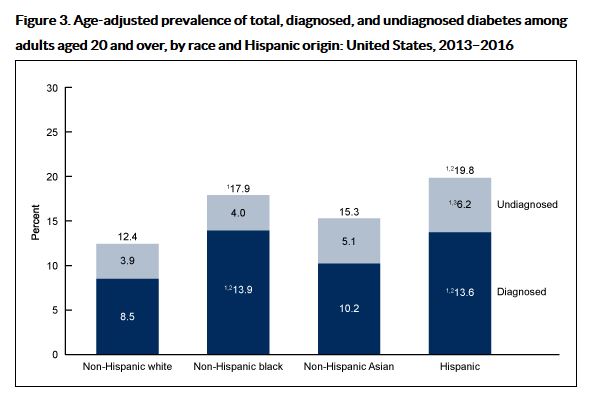
14% of adults living in the United States now have diabetes and only 10% are aware of it.
This translates into 1 in 7 Americans living with diabetes. The CDC believes a number of factors are responsible for the sudden increase, including an aging population and an epidemic of obesity. 95% of diabetes cases are Type 2 and are tied to lifestyle factors, where as 5% are Type 1 and typically are diagnosed early in life and do not correlate with lifestyle choices.
- Surprisingly, many more men are now living with diabetes. The study revealed that 16% of men and 12% of women have diabetes.
- Diabetes is also more common within certain groups. 20% of Hispanics, 18% Blacks and 15% Asians and 12% whites are living with type 2 Diabetes, according to data collected via the U.S. National Health and Nutrition Examination Survey.
People who are overweight and obese are also more likely to develop diabetes, the researchers found. Only 6 percent of underweight or normal-weight adults had the disease, while 12 percent of overweight adults and 21 percent of obese adults did.
Although treatment for diabetes is available, said lead researcher Mark Eberhardt, an epidemiologist at CDC’s National Center for Health Statistics (NCHS). The public health goal should be taking steps to prevent the disease. “Sometimes prevention is the best treatment,” he said.
As Diabetes Educators, we can take a leadership role in our communities by creating and supporting diabetes prevention programs and by providing amazing care to people living with diabetes.
 Learn more about starting a Diabetes Prevention Program on our Prevention Resource Page.
To learn more, visit the CDC Website National Center for Health Statistics Site
To learn more: 30 Million Americans Now Have Diabetes – Health Day
Source: Prevalence of total, diagnosed, and undiagnosed diabetes among adults: United States, 2013–2016.
NCHS Data Brief, no 319. Mendola ND, Chen T-C, Gu Q, Eberhardt MS, Saydah S. Hyattsville, MD:
National Center for Health Statistics. 2018.


