
Subscribe
eNewsletter

Ready to get certified?
Free CDCES Coach App

eNewsletter
Free CDCES Coach App
 Women who have a greater diversity of “healthy” gut bacteria may have a lower risk of developing cardiovascular disease. According to research published in the European Hearth Journal, arterial stiffness was discovered in women with a lower diversity of gut bacteria. Women who had greater microbiome diversity, including bacteria from the Ruminococcaceae family which lowers stiffness in the arteries and also the risk of obesity, were at a lower risk of developing symptoms of cardiovascular disease.
“So, our results reveal the first observation in humans linking the gut microbes and their products to lower arterial stiffness. It is possible that the gut bacteria can be used to detect risk of heart disease and may be altered by diet or drugs to reduce the risk” said Ana M. Valdes, PhD, of the University of Nottingham’s School of Medicine and NIHR Nottingham Biomedical Research Center.
Research concluded that studying the gut microbiome could be beneficial in recognizing risk factors outside of the traditional sect. More importantly that by changing the gut microbiome, there is a possibility to influence arterial health by dietary intervention.
“There is considerable interest in finding ways to increase the diversity of gut microbes for other conditions such as obesity and diabetes,” study author Cristina Menni, PhD, of the Department of Twin Research and Genetic Epidemiology at King’s College London, said in the press release.
Research continues to support the importance of a healthy diet and how these trillions of bacterial hitchhikers profoundly influence our health. Learn more: “Gut microbiome linked to artery health” – Healio Gatroenterology
Join us to learn about the exciting advances in our understanding of the pathology of diabetes and novel approaches to prevention with our New Horizons – Gut Bacteria webinar. We will discuss trends in diabetes diagnosis and classification. The role and importance of gut bacteria in the pathology of type 1 and type 2 will explored. A detailed discussion on emerging research and clinical trial on interventions to delay or prevent diabetes is also included.
Level 4 – New Horizons – Getting to the Gut 1.0 CE – $29


This section is dedicated to celebrating Women Business Leaders in Northern California
Interview with Beverly Thomassian
“I think what I’m most proud of is supporting women in pursuing their professional and personal goals,” says Beverly Thomassian, the CEO, President and Founder of Diabetes Education Services. A registered nurse with a master’s degree in public health, Thomassian trains healthcare professionals about the ins and outs of diabetes to help them achieve certification.
Thomassian started Diabetes Education Services 20 years ago when she and her husband first moved to Chico. Though she started out teaching live courses based out of a room in her home office while raising her two children, the diabetes coach has since grown her business to include a female-only team of employees (girl power!), a newsletter that goes out to over 20,000 online subscribers and a two-story office space with a webinar recording studio.
Over the course of the thousands of online courses, live seminars and conferences she has given, Thomassian has gained a reputation for her fun and lively presentation style, including her famous diabetes flash mob. “In all of my classes, we stand up and we dance,” she says, smiling. “But I’m not going it just for fun. I’m doing it to teach them moves to share with their patients.” Serving as a professor at both Chico State and UCSF, Thomassian somehow also find time to keep current on what is going on with people living with diabetes by working one day a week at Feather River Hospital’s inpatient and outpatient diabetes education program.
To those just starting out in business, Thomassian urges, “Give yourself permission to be your authentic self. Because I think so much in business, when we start, we’re nervous, and we want to project a certain image. But I think people don’t really care about that. They want to know who you are and your personality. So, let your authentic self shine.”
See the Upgraded Living May, 2018 Issue here
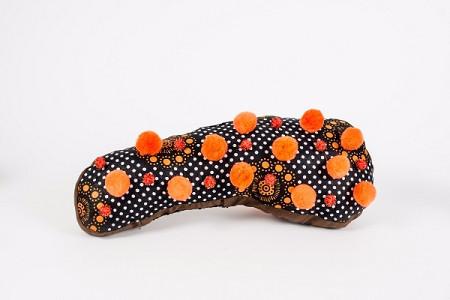
At Diabetes Education Services we believe in supporting girls and women to realize their potential. We are dedicated to supporting the growth and well-being of our future generations. Today, we are celebrating our amazing sister organization Just One Person.
Just One Person is a model sustainable program that prepares girls in rural Kenya for post secondary opportunities, helping them develop economic independence that will guide them on the path out of poverty.
Diabetes Education Services partners with Just One Person to manufacture our Pancreas Partner. All profits from Pancreas sales are donated to Just One Person to help the girls pursue ongoing education and gainful employment.
Mwanaidi, pictures here, helped create some of our beautiful Pancreas Partners, read her amazing story below:
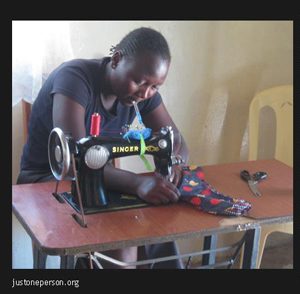
“While Mwanaidi was waiting for admission to college she earned money by sewing the “pancreas pillows” that Diabetes Education Services sells in the US. She used a donated treadle sewing machine, a pattern designed by Just One Person (JOP) executive director, Emma Sisia and traditional “leso” cloth. After paying Mwanaidi for her labor, Diabetes Education Services donates the profit from the sale of the Pancreas Pillow to help fund school scholarships and seminars for other deserving girls in rural Kenya. Other alumnae of JOP have followed suit and are continuing to produce these wonderful pillows to help ensure the sustainability of our program.”
 Eating breakfast may help your waistline, a preliminary study suggests. Based on preliminary findings, breakfast eaters over their lifespan, gained 1/3 the amount of weight as breakfast skippers!
Of course, the quality of the breakfast foods are important too. Based on research, breakfast fans tend to eat more fresh fruit, whole grains, veggies, beans and nuts through out their day.
For all of us, and especially those living with diabetes, this is a great reminder to kick off your day with the most important meal of all!
To learn more: Breakfast Fans Gain less Weight Over Time – Health Day
 Scientists from New York University School of Medicine have discovered an association between areas with an abundance of fast food swaps and type 1 diabetes in children and adults. This finding is interesting because typically type 1 is not associated with cultural influences.
“Our research suggests that an adverse food environment has an important influence in type 1 diabetes, and a more thorough investigation of genetics, health behaviours and cultural influences should be considered for type 1 and type 2 diabetes.”
As we continue to research the link between diabetes and culture, it is important to consider what factors may have an influence on a patients lifestyle and what may put them at risk.
Learn more: Fast food availability linked to increase type 1 diabetes prevalence in New York – Journal of Endocrine Society
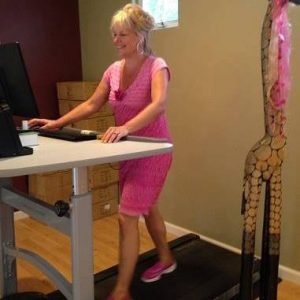 Every year on the first Wednesday of May, the American Diabetes Association presents “National Get Fit Don’t Sit Day,” to help spread the word on the dangers of sitting for long periods of time.
Here at Diabetes Education Services we believe creating healthy daily habits is imperative, particularly in the workplace. We will be participating today by doing fun stand up exercises each hour to ensure we aren’t sitting for too long!
We want to hear about your favorite short exercise for your workday. Share your activity by commenting on our Get Fit Don’t Sit Facebook post:
Diabetes Education Services Facebook post
The ADA recommends light physical activity every 30 minutes. Anything from walking to leg extensions at your desk. Help us spread awareness by telling your colleagues and community about National Get Fit Don’t Sit Day!
To help spread the message, enjoy the ADA toolkit:
National Get Fit Don’t Sit Day
For more inspiration, enjoy our exercise resource page:

According to a new report from the UCLA Center for Health Policy and Research, approximately one out of every three kids living in California drinks one sugar-laden drink daily.
Despite the obvious health risks such as obesity, tooth decay, type 2 and liver disease, 30.9% of children consume at least one sugary drink a day.
Diabetes educators play an important role in helping families, particularly with young kids, to identify hidden sugars, especially in the form of sodas and juices.
While soda consumption seems to be lowering in percentage, sports drinks have become more popular as an alternative. “The issue is that they’re often seen as a healthy alternative, but many of them contain large amounts of sugar,” Babey said. “They’re designed to be consumed by people who have been really exerting themselves for a long amount of time, but that’s often not who’s consuming them.” A better alternative is water and a piece of fruit.
To learn more: Report: Sugar-laden drink consumption on the rise among California kids – San Diego Union-Tribune
You can also join our “The Joy of Six – Take the Pledge” to help spread sugar awareness in your community.
Anne Carter, is not only in charge of operations and customer happiness at Diabetes Education Services, she is expanding her role to include reporting on the latest information and trends in the rapidly changing diabetes landscape.
Some of my favorite blog posts by Anne include:
Diabetes Alert Day Resource Page – March 27th is our opportunity to find people with undetected prediabetes and diabetes.
Question of the Week – Anne gently nudges Coach Beverly to write up a timely question to challenge and engage our community.
New Glucose Monitoring Contact Lens – Imagine a contact lens that you could wear that would light up if your glucose levels were high?
Interested in keeping up with our Blog Posts? We are working on a subscription format, but in the meantime, j