
Subscribe
eNewsletter

Ready to get certified?
Free CDCES Coach App

eNewsletter
Free CDCES Coach App

PZ arrives for their diabetes appointment with their food diary and glucose log book. PZ’s blood glucose levels have improved since last visit by about 20 points, with morning glucose levels in the 130 range and bedtime glucose in the 180 range. When you ask PZ about what changes they have made, PZ shrugs their shoulders and says, “I quit eating tortillas because my children said they are bad for me.”
What is the best response?
Click here to test your knowledge!
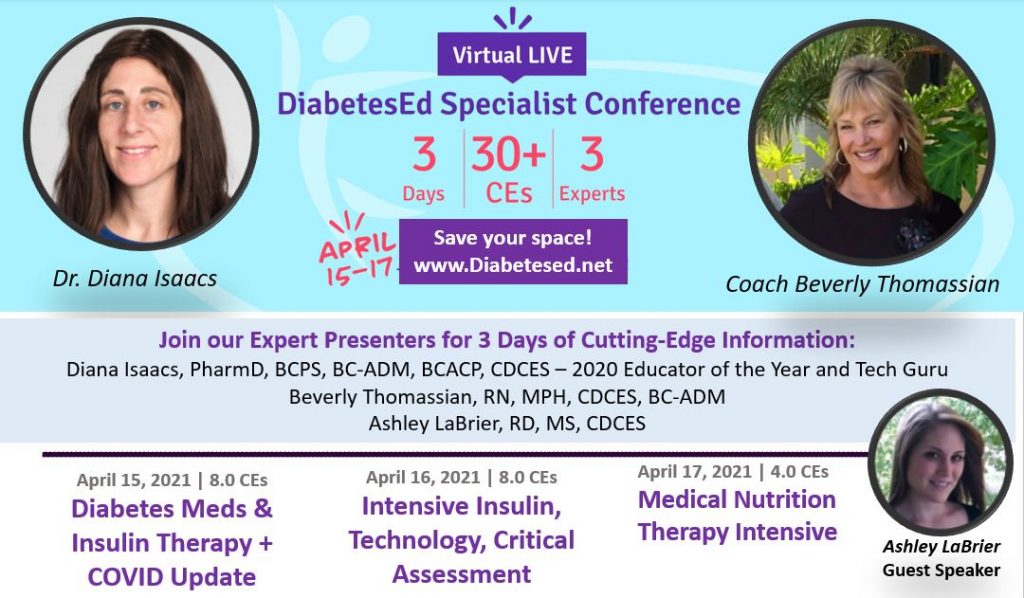
Whether you are new to diabetes or a seasoned expert, you’ll benefit from this virtual conference with the latest research plus critical content that you can immediately apply to your clinical practice.
Prepare for CDCES or BC-ADM certification or earn hours for renewal.
If you are interested in taking the CDCES or BC-ADM exam or are seeking a state of the art review of current diabetes care, this course is for you. Our team has been fine-tuning this course for over fifteen years, and we know what you need.
Team of expert faculty includes:
In addition to informative lectures, we also use group activities and case studies to highlight the essential knowledge, skills, and strategies needed to succeed in diabetes education today!
Your registrations include access to all the Online Sessions plus Bonus Courses through December 31st, 2021.
Bonus Courses worth 14 + CEs FREE – When you register for our Virtual Course, you have immediate access to these Bonus DiabetesEd University Online Courses – for FREE!
Sign up for Diabetes Blog Bytes – we post one daily Blog Byte from Monday to Friday. And of course, Tuesday is our Question of the Week. It’s Informative and FREE! Sign up below!
[yikes-mailchimp form=”1″]
Accreditation: Diabetes Education Services is an approved provider by the California Board of Registered Nursing, Provider 12640, and Commission on Dietetic Registration (CDR), Provider DI002. Since these programs are approved by the CDR it satisfies the CE requirements for the CDCES regardless of your profession.*
The use of DES products does not guarantee the successful passage of the CDCES exam. CBDCE does not endorse any preparatory or review materials for the CDCES exam, except for those published by CBDCE.
Diana Isaacs, PharmD, BCPS, BC-ADM, BCACP, CDCES
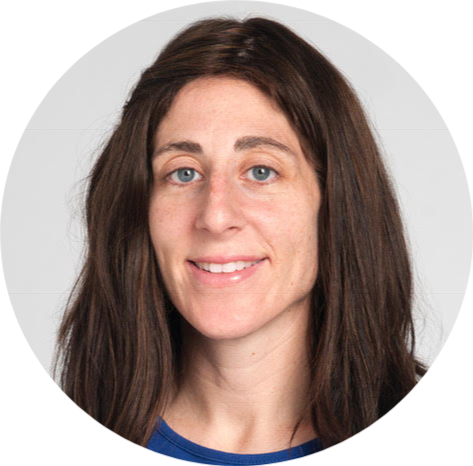
We are thrilled that Diana Isaacs will be joining our Virtual Course on October 6-8, 2021!
Dr. Isaacs was named 2020 ADCES Diabetes Educator of the Year for her educational platform promoting the use of technology, pumps, and CGM therapy for people with diabetes plus other innovations. Dr. Isaacs was awarded the Ohio Pharmacists Association Under 40 Award in 2019. Dr. Isaacs has served in leadership roles for several pharmacies and diabetes organizations. She has numerous diabetes publications and research projects with a focus on medications, CGM and diabetes technology.
As the CGM Program Coordinator and clinical pharmacist specialist in the Cleveland Clinic Diabetes Center, Dr. Isaacs brings a wealth of clinical knowledge combined with extensive research experience to this program.
Question: What do you love about being a Diabetes Specialist?
Dr. Isaacs: I have the opportunity to help people manage their diabetes through my expertise and support. I start many people with diabetes on CGM and I see first hand how life changing the technology is for them. People are very grateful for my help and it is so rewarding.
Question: Over the past year, what has been most challenging about providing diabetes care during the pandemic?
Dr. Isaacs: I miss doing the group classes and shared medical appointments but we’ve had to majorly scale back taking into consideration room size and safety. Also, many people are struggling with mental health during the pandemic and many are afraid to come to clinic. However, we have made great strides by increasing access through virtual care.
Question: What role do you see technology playing in people with diabetes lives over the next few years?
Dr. Isaacs: Technology is exploding. Virtual care is allowing us to reach way more people with diabetes and making it more convenient for everyone. Mobile apps and blue tooth technology are making it so the healthcare team can access a person’s diabetes data from anywhere (With their permission of course). There also continue to be huge improvements in insulin pump, continuous glucose meter, and smart insulin pen technology.
Question: What actions can Diabetes Specialists take to increase access to diabetes technologies including insulin pumps, CGMs and Smart Pens.
Dr. Isaacs: We need to stay up to date on all of the technology because it’s evolving so quickly. Some strategies to do this include attending professional meetings, meet with your sales reps, check out websites like diabeteswise.org and DANAtech (offered through ADCES). There are many continuing education opportunities offered through various organizations, including your website (www.diabetesed.net).
Also, if you get a chance to try a demo (Such as obtaining a sample of a smart pen, or CGM) and wearing it. That’s the best way to learn!. There are also various demo mobile apps that give the user experience. (Ex. T:Simulator for Tandem insulin pumps).
Question: Would you share your hobby (ies) and how you maintain work life balance?
Dr. Isaacs: I have 5 kids ages 2-9, so they keep me pretty busy. One day a week I completely disconnect from all electronics and just spend time with the family. I also enjoy running and run almost every morning before starting my day. With the pandemic I stopped going to the gym. I live in Cleveland and am proud to say I ran outside even when it was 3 degrees with lots of snow and ice on the ground.
Accreditation: Diabetes Education Services is an approved provider by the California Board of Registered Nursing, Provider 12640, and Commission on Dietetic Registration (CDR), Provider DI002. Since these programs are approved by the CDR it satisfies the CE requirements for the CDCES regardless of your profession.*
The use of DES products does not guarantee the successful passage of the CDCES exam. CBDCE does not endorse any preparatory or review materials for the CDCES exam, except for those published by CBDCE.
March is National Nutrition Month
This gives us a whole month to celebrate the amazing expertise and abundant knowledge of our nutrition colleagues.
We will be focusing on nutrition dilemmas for our Question of the Week and featuring spring recipes along with plant-based resources.
Plus, we are excited to highlight Ashley LaBrier, MS, RD, CDCES, our new dietitian team member and Virtual Conference speaker. Welcome to the team Ashley!
For our feature article, we recognize that many people with diabetes and COVID started on steroids are experiencing hyperglycemic crisis. Coach Beverly summarizes strategies to get glucose to target during steroid therapy.
We are also excited to feature an interview with Diana Isaacs, PharmD, BCPS, BC-ADM, BCACP, CDCES.
We are thrilled that Diana is providing 8 hours of content for our Virtual Conference in April. She is a pharmacology and technology expert, with a special knack for translating the complex world of diabetes technologies into understandable terms. Read more about this ADCES Educator of the Year in our interview below.
Lastly, we have expanded our FREE Webinar offerings. Coach Beverly explores the different diabetes certification options and provides test-taking skill-building. We hope you can join us!
Happy Nutrition Month everyone.
We wish you all health and an abundance of fiber intake from a variety of whole grains and fresh foods!
With affection and wishes for health,
Coach Beverly, Bryanna, and Jackson
Click here to read our full March 2021 newsletter.
Featured Blogs
Featured Items
Whether you are new to diabetes or a seasoned expert, you’ll benefit from this virtual conference with the latest research plus critical content that you can immediately apply to your clinical practice.
Prepare for CDCES or BC-ADM certification or earn hours for renewal.
If you are interested in taking the CDCES or BC-ADM exam or are seeking a state of the art review of current diabetes care, this course is for you. Our team has been fine-tuning this course for over fifteen years, and we know what you need.
Team of expert faculty includes:
In addition to informative lectures, we also use group activities and case studies to highlight the essential knowledge, skills, and strategies needed to succeed in diabetes education today!
Your registrations include access to all the Online Sessions plus Bonus Courses through December 31st, 2021.
Bonus Courses worth 14 + CEs FREE – When you register for our Virtual Course, you have immediate access to these Bonus DiabetesEd University Online Courses – for FREE!
The 5th Edition ADCES Desk Reference & 5th Edition Review Guide Bundle –our most popular AADE Book Bundle for exam preparation!
What is included in the ADCES Book Bundle?
The Art & Science of Diabetes Self-Management Education Desk Reference – 5th Edition
Major Features:
ADECES Review Guide for the Diabetes Care and Education Specialist Exam – 5th Edition
Includes an answer key with rationales for all questions included in the guide!
Major Features:
3 self-assessment tests that cover three main content sections on the CDCES Exam:
Sign up for Diabetes Blog Bytes – we post one daily Blog Byte from Monday to Friday. And of course, Tuesday is our Question of the Week. It’s Informative and FREE! Sign up below!
[yikes-mailchimp form=”1″]
Accreditation: Diabetes Education Services is an approved provider by the California Board of Registered Nursing, Provider 12640, and Commission on Dietetic Registration (CDR), Provider DI002. Since these programs are approved by the CDR it satisfies the CE requirements for the CDCES regardless of your profession.*
The use of DES products does not guarantee the successful passage of the CDCES exam. CBDCE does not endorse any preparatory or review materials for the CDCES exam, except for those published by CBDCE.
For our March 2nd Question of the Week, over 58% of respondents chose the best answer!
Before we start though, if you don’t want any spoilers and haven’t tried the question yet, you can answer below: Answer Question
Question: JR is 53 yrs old with type 2 diabetes, BMI of 24.3 and is recovering from a COVID infection. In addition to metformin, a SGLT-2i and a weekly GLP-1 RA, JR is on daily prednisone. Morning blood glucose levels are in the low 100’s, lunch and dinner blood glucose levels are in the 250-300 range.
Which of the following is the best treatment intervention to get lunch and dinner blood glucose levels to goal?
Answer Choices:
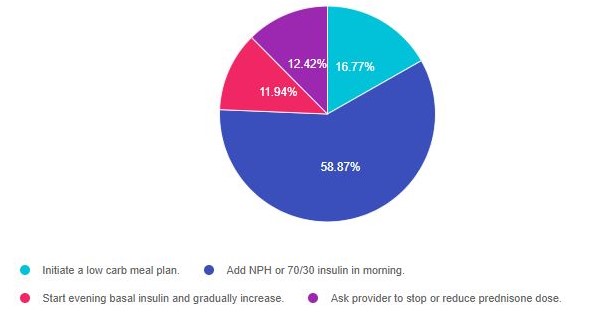
As shown above, the most common choice was option 2, the second most common answer was option 1, then option 4, and finally option 3.
If you are thinking about taking the certification exam, the content of this practice test question will set you up for success. The exam often presents vignettes that compel test takers to determine which option offers the BEST answer based on the action times of different insulins.
Answer 1 is incorrect, 16.77% chose this answer. “Initiate a low carb meal plan “. JR has a BMI that is less than 25, which indicates a healthy weight. In addition, JR is recovering from COVID, so making sure they are eating adequate calories and healthy carbs during this recovery phase is very important. Lastly, the spike in blood glucose between lunch and dinner is an expected response since JR is taking morning prednisone.
AM steroids cause hyperglycemia through lunch and dinner.
Answer 2 is correct, 58.87% of you chose this answer. “Add NPH or 70/30 insulin in morning”. YES! Since morning steroids increase insulin resistance throughout the day, especially around lunch and dinner time, morning NPH insulin works remarkably well. This is because NPH action time peaks within 4-10 hours of injection. Another option is to use 70/30 insulin, which is a combination of 70% NPH (or basal) insulin plus 30% bolus. This insulin used before the first meal of the day, can help prevent lunch and dinner blood sugars from going above target later in the day.
Dosing for NPH or 70/30 depends on several factors, including steroid dose, diabetes type and history, body weight and health status. See our article on Steroids and Sugar Spikes – Management Strategies
Answer 3 is incorrect, 11.94% of you chose this answer “Start evening basal insulin and gradually increase”. When people are on morning steroids, their overnight blood sugars generally trend down. Basal insulin isn’t the best choice for addressing mid day to evening glucose elevations.
Answer 4 is incorrect, 12.42% of you chose this answer. “Ask provider to stop or reduce prednisone dose”. While it is true that stopping the prednisone will improve blood glucose levels, it could also contribute to a worsening health status. One of the most effective treatments for people with a serious COVID infection is steroid therapy to decrease inflammation, especially in the lungs. We approach this situation understanding that the steroid is essential and we can help with glucose management to promote recovery.
Want to learn more about this topic? Join Coach Beverly during the Virtual Conference, where she will be discussing treatment strategies for hyperglycemia secondary to steroids.
We hope you appreciate this week’s rationale! Thank you so much for taking the time to answer our Question of the Week and participate in this fun learning activity!
The 5th Edition ADCES Desk Reference & 5th Edition Review Guide Bundle –our most popular AADE Book Bundle for exam preparation!
What is included in the ADCES Book Bundle?
The Art & Science of Diabetes Self-Management Education Desk Reference – 5th Edition
Major Features:
ADECES Review Guide for the Diabetes Care and Education Specialist Exam – 5th Edition
Includes an answer key with rationales for all questions included in the guide!
Major Features:
3 self-assessment tests that cover three main content sections on the CDCES Exam:
Sign up for Diabetes Blog Bytes – we post one daily Blog Byte from Monday to Friday. And of course, Tuesday is our Question of the Week. It’s Informative and FREE! Sign up below!
[yikes-mailchimp form=”1″]
Accreditation: Diabetes Education Services is an approved provider by the California Board of Registered Nursing, Provider 12640, and Commission on Dietetic Registration (CDR), Provider DI002. Since these programs are approved by the CDR it satisfies the CE requirements for the CDCES regardless of your profession.*
The use of DES products does not guarantee the successful passage of the CDCES exam. CBDCE does not endorse any preparatory or review materials for the CDCES exam, except for those published by CBDCE.
JR wants to lose weight in the next 30 days by drinking less juice. There are 100 calories per glass of juice and JR usually drinks 3 glasses a day.
How much weight would JR lose by only drinking 1 glass a day?
Click here to test your knowledge!
This course will transform your test anxiety into calm self-confidence and test-taking readiness.
Sign up for Diabetes Blog Bytes – we post one daily Blog Byte from Monday to Friday. And of course, Tuesday is our Question of the Week. It’s Informative and FREE! Sign up below!
[yikes-mailchimp form=”1″]
Accreditation: Diabetes Education Services is an approved provider by the California Board of Registered Nursing, Provider 12640, and Commission on Dietetic Registration (CDR), Provider DI002. Since these programs are approved by the CDR it satisfies the CE requirements for the CDCES regardless of your profession.*
The use of DES products does not guarantee the successful passage of the CDCES exam. CBDCE does not endorse any preparatory or review materials for the CDCES exam, except for those published by CBDCE.
To celebrate Registered Dietitians, we are interviewing an emerging leader in the field and our Virtual Conference Speaker, Ashley LaBrier.
Ashley LaBrier, MS, RD, CDES, is an innovator in the field of diabetes, nutrition, and technology. Ashley is a consultant, and the Diabetes Education Program Coordinator at the Salinas Valley Medical Clinic’s Diabetes & Endocrine Center.
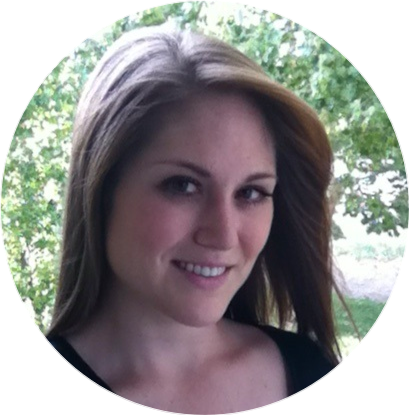
Ms. LaBrier is passionate about providing person-centered education to empower those who live with diabetes. Having been diagnosed with type 1 diabetes herself nearly 20 years ago, she combines her professional knowledge with personal experience and understanding.
Meet Ashley in person at our Virtual Diabetes Specialist Course on April 17, 2021
1. Question – What do you love about being a RD and Diabetes Specialist?
Ms. Labrier – There are a few things I REALLY love about being a dietitian and working with those living with diabetes:
At our clinic, education visits are purposely scheduled to allow adequate time to really understand the needs of each individual and make personalized suggestions. I LOVE that our work allows us to get to know the people we work with so intimately. This knowledge ultimately translates into providing meaningful support based on individual needs.
I also love teaching group education classes. There are few things more energizing than a room full of people who have come together to learn more about their diabetes. These classes always lead to great questions, dialogue, and connection. Hearing people leave an education class feeling empowered to conquer their diabetes and live a more healthful life is so satisfying for me personally and professionally.
Lastly, translating nutrition and diabetes so it “makes sense” – I find it satisfying to see that “light bulb moment” after explaining a new concept.
Question – How do you anticipate nutrition recommendations changing for people with diabetes lives over the next few years?
Ms. LaBrier – I’m not sure how nutritional guidelines will change in the next few years, but I’d like to see more research exploring the long-term health impact of the popular diets, particularly the ketogenic diet and other higher fat and protein diets. I also hope that dietary guidelines begin to factor in the social and environmental consequences of what we eat, not just nutrition alone. What we eat impacts our health and the planet – sustainability is key.
Question – Over the past year, what has been most challenging about providing diabetes care during the pandemic?
Ms. LaBrier – The pandemic has brought so much uncertainty to our lives. In working with our participants at the clinic, many have lost their jobs and are experiencing financial hardship. Some are busy caring for children or elderly or have lost a loved one. Others are more isolated from their social circles and support systems. Many have found it difficult to manage stress because certain activities that bring joy have been suspended. All of these factors, and many more, have complicated the picture for our community. Although every person has individual concerns, it seems like many individuals and families are stretched thin. They may have competing priorities and concerns that make managing a chronic condition more difficult than ever before.
Question – What actions can Diabetes Specialists take to counsel people with diabetes who are facing food insecurity?
Ms. LaBrier – a key in working with individuals who face food insecurity is approaching the situation with compassion and a desire to understand.
Ask questions and make an honest effort to understand the struggles that they are facing around obtaining food. Not only does this help to build trust between the specialist and person with diabetes, but providing effective assistance is more realistic when you know what struggles they are facing. Being aware of the resources in your local community is especially important. Social workers can assist in applying for financial and food assistance programs. Plus local and affordable farmers markets and food banks can help sustain people through rough times. f
Question: Would you share your hobby (ies) and how you maintain work life balance?
Ms. LaBrier – My fiancé and I make an effort to get outside for fresh air cocktails regularly. We live in a beautiful area and enjoy paddle boarding, runs on the beach, hiking, camping trips, or walks in the neighborhood. Even on the busy days we maintain our work life balance by prioritizing time together doing these activities.
Accreditation: Diabetes Education Services is an approved provider by the California Board of Registered Nursing, Provider 12640, and Commission on Dietetic Registration (CDR), Provider DI002. Since these programs are approved by the CDR it satisfies the CE requirements for the CDCES regardless of your profession.*
The use of DES products does not guarantee the successful passage of the CDCES exam. CBDCE does not endorse any preparatory or review materials for the CDCES exam, except for those published by CBDCE.
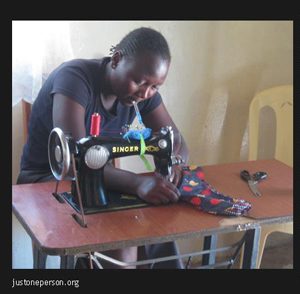
This month we are celebrating our amazing sister organization, Just One Person.
Just One Person is a sustainable model program that prepares girls in rural Kenya for post-secondary opportunities, supporting their development towards economic independence. Diabetes Education Services donates the profit from the sale of the Pancreas Pillow to help fund school scholarships and seminars for other girls in rural Kenya.

Mwanaidi’s story:
Mwanaidi, of Just One Person, has hand-sewn hundreds of beautiful Pancreas Partners in her hometown in Kenya and shipped them to the Diabetes Education Services office in California, so we can share them with you.
While Mwanaidi was waiting for admission to college she began sewing the “pancreas pillows” that Diabetes Education Services sells in the US. She used a donated treadle sewing machine, a pattern designed by Just One Person (JOP) Executive Director, Emma Sisia, and traditional leso cloth.
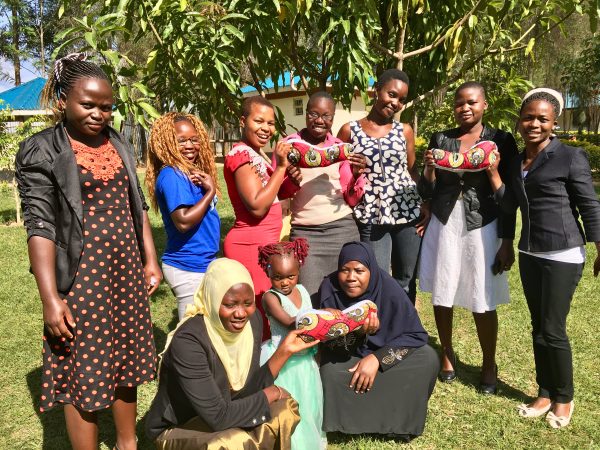
Mwanaidi joined the Just One Person (JOP) project in rural Kenya after her high school recognized her potential. Mwanaidi graduated from high school in 2010 and subsequently, became a certified chef. She uses the income from her job to help support her family of 7 siblings along with her mother and father.
After paying Mwanaidi for her beautiful work, Diabetes Education Services donates the profit from the sale of the Pancreas Pillow to help fund school scholarships and seminars for other girls in rural Kenya. Other alumnae of JOP have followed suit and are continuing to produce these wonderful pillows to help ensure the sustainability of our program.
Just One Person’s philosophy is that girls are members of our organization for life. They are committed to sharing their knowledge and resources with their mothers, sisters, neighbors, and daughters for generations to come.
At Diabetes Education Services we are dedicated to supporting the growth and well-being of our future generations.
Save your spot for our
Virtual DiabetesEd Specialist Conference | April 15-17, 2021
Whether you are new to diabetes or a seasoned expert, you’ll benefit from this virtual conference with the latest research plus critical content that you can immediately apply to your clinical practice. If you are interested in taking the CDCES or BC-ADM exam or are seeking a state-of-the-art review of current diabetes care, this course is for you.
Entire Program Fee: $399
Dates: April 15-17, 2021
3 Expert Speakers
CEs: 30+ CE hours
Live Webinar Schedule: All webinars start and end times are in Pacific Standard Time
Come join our Virtual DiabetesEd Specialist Program.
Team of expert faculty includes:
In addition to informative lectures, we also use group activities and case studies to highlight the essential knowledge, skills, and strategies needed to succeed in diabetes education today!
Prepare for CDCES or BC-ADM certification or earn hours for renewal.
Your registrations include access to all the Online Sessions plus Bonus Courses through December 31st, 2021.
This virtual program includes:
3 day live webinar courses from April 15th-17th (20 CEs) + enrollment in our Bonus Bundle (14.0+ CEs) from now through December 2021.
View full Conference Schedule and Faculty.
Sign up for Diabetes Blog Bytes – we post one daily Blog Byte from Monday to Friday. And of course, Tuesday is our Question of the Week. It’s Informative and FREE! Sign up below!
[yikes-mailchimp form=”1″]
Accreditation: Diabetes Education Services is an approved provider by the California Board of Registered Nursing, Provider 12640, and Commission on Dietetic Registration (CDR), Provider DI002. Since these programs are approved by the CDR it satisfies the CE requirements for the CDCES regardless of your profession.*
The use of DES products does not guarantee the successful passage of the CDCES exam. CBDCE does not endorse any preparatory or review materials for the CDCES exam, except for those published by CBDCE.
Type 1 Diabetes Resources
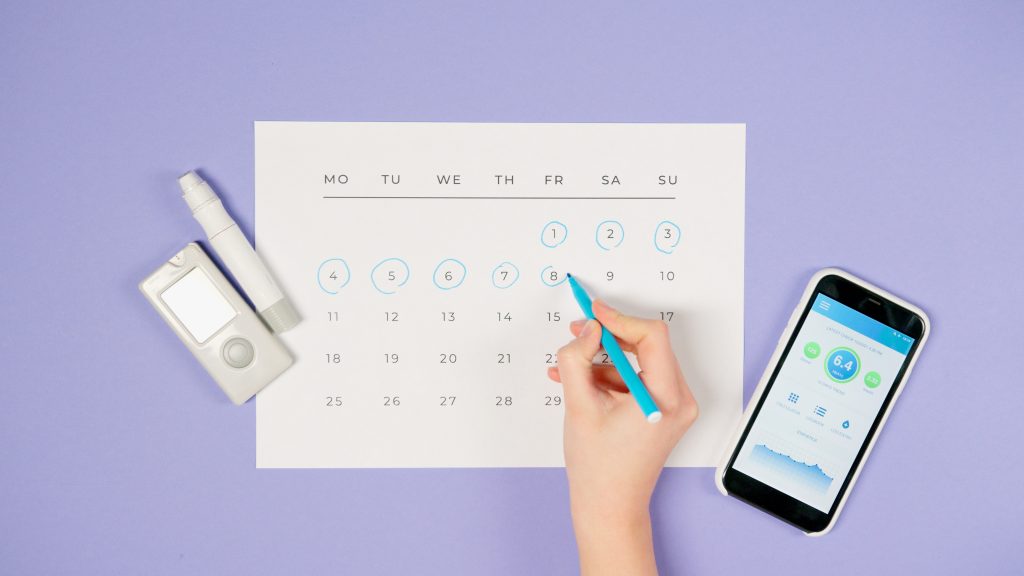
Below is a list of helpful online resources for Type 1 Diabetes. They include sites for national organizations like the American Diabetes Association (ADA), sites for diabetes interest groups, and other participant organizations that provide helpful diabetes tips and opportunities to join online groups.
Click the links below to visit the website: