Subscribe
eNewsletter

Ready to get certified?
Free CDCES Coach App

eNewsletter
Free CDCES Coach App
The U.S. Food and Drug Administration (FDA) is warning that cases of a rare but serious infection of the genitals and area around the genitals have been reported with the class of type 2 diabetes medicines called (SGLT2) inhibitors. This serious rare infection, called necrotizing fasciitis of the perineum, is also referred to as Fournier’s gangrene.
Please let patient know about this new warning to be added to the prescribing information of all SGLT2 inhibitors.
Patients should seek medical attention immediately if they experience any symptoms of tenderness, redness, or swelling of the genitals or the area from the genitals back to the rectum, and have a fever above 100.4 F or a general feeling of being unwell. These symptoms can worsen quickly, so it is important to seek treatment right away.
Health care professionals should assess patients for Fournier’s gangrene if they present with the symptoms described above. If suspected, start treatment immediately with broad-spectrum antibiotics and surgical debridement if necessary. Discontinue the SGLT2 inhibitor, closely monitor blood glucose levels, and provide appropriate alternative therapy for glycemic control.
Fournier’s gangrene is an extremely rare but life-threatening bacterial infection of the tissue under the skin that surrounds muscles, nerves, fat, and blood vessels of the perineum. The bacteria usually get into the body through a cut or break in the skin, where they quickly spread and destroy the tissue they infect. Having diabetes is a risk factor for developing Fournier’s gangrene; however, this condition is still rare among diabetic patients. Overall published literature about the occurrence of Fournier’s gangrene for men and women is very limited. Publications report that Fournier’s gangrene occurs in 1.6 out of 100,000 males annually in the U.S., and most frequently occurs in males 50-79 years (3.3 out of 100,000).1-3 In our case series, however, we observed events in both women and men.
In the five years from March 2013 to May 2018, we identified 12 cases of Fournier’s gangrene in patients taking an SGLT2 inhibitor. This number includes only reports submitted to FDA* and found in the medical literature,4-6 so there may be additional cases about which we are unaware. In 2017, an estimated 1.7 million patients received a dispensed prescription for an SGLT2 inhibitor from U.S. outpatient retail pharmacies.7 Although most cases of Fournier’s gangrene have previously been reported in men, our 12 cases included 7 men and 5 women. Fournier’s gangrene developed within several months of the patients starting an SGLT2 inhibitor and the drug was stopped in most cases. All 12 patients were hospitalized and required surgery. Some patients required multiple disfiguring surgeries, some developed complications, and one patient died. In comparison, only six cases of Fournier’s gangrene (all in men) were identified in review of other antidiabetic drug classes over a period of more than 30 years.
To help FDA track safety issues with medicines, we urge patients and health care professionals to report side effects involving SGLT2 inhibitors or other medicines to the FDA MedWatch program, using the information in the “Contact FDA” box.
For more information, please see the FDA Warning Post
Download our Diabetes Medication Pocket Cards
3 things you can do today |
Have you run out of time to study, but still want to access your courses?
Extend your courses for one additional year for a small fee. You can purchase the extension while your courses are still accessible, or when they expire.

Sign up now to reserve your spot, space is very limited!
“More than a course, it’s an experience!”

Come join us at our Level 2, Diabetes Educator Course in sunny San Deigo, California. Whether you are new to diabetes or a seasoned expert, you’ll leave our live seminars with the latest research plus teaching tools you can immediately apply to your clinical practice. Beverly and her teaching team translate the complex science of diabetes into understandable terms, while keeping it real, practical and fun.
Dates: September 5th – 7th, 2018
Diabetes Educator Course San Diego Brochure
Diabetes Educator Course Agenda

Join Diabetes Education Services on Facebook!

Here at Diabetes Education Services we strive to keep our community up-to-date on all the latest developments in healthcare and diabetes. We also love keeping in touch with our community before, during and after preparing to become an educator.
Join us Facebook Group to receive the following:
Thank you for your continued support and keep in touch!
 30% of American Indians on the White Earth Reservation have Type 2, which is three times the national average.
Accessibility to fresh fruits and vegetables plays an integral role in a community’s health. Often we stumble upon “food deserts – regions where grocery stores with fresh, healthy options simply don’t exist.”
This summer, a new food truck has set out to make healthy eating more accessible to those who are not near grocery stores. White Earth Nation purchased a “healthy” food truck to help tribal members have access to healthy, locally produced and traditional foods.
Unhealthy eating habits are often tied to generations with limited access to fresh foods and can lead to chronic long-term health problems.
The goal of the new food truck is to provide more choices, as the White Earth Food truck travels to reservation villages in the summer with fresh produce and in the winter with other foods like squash, wild rice and preserves made from summer crops.
To learn more about the new food truck – White Earth hopes food truck puts reservation on road to better health by MPRnews
Please also enjoy our Plant Based Resource page
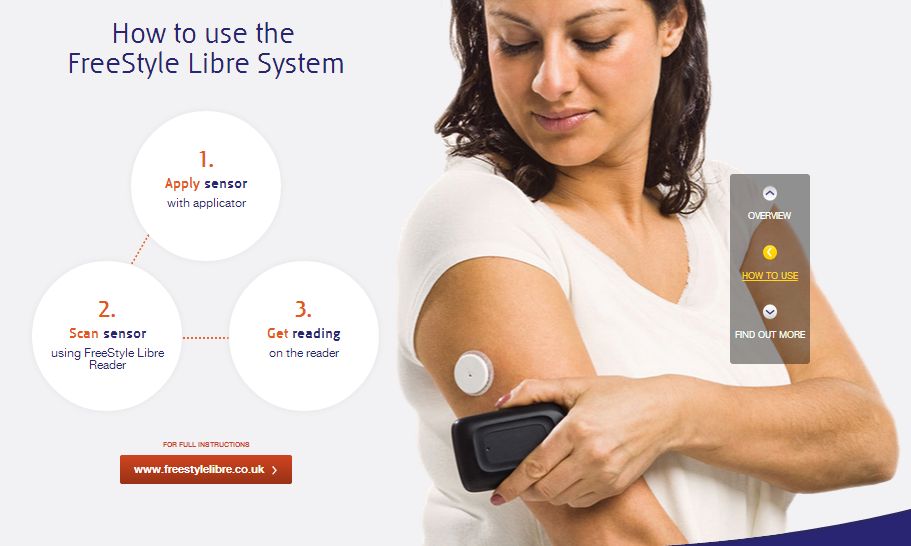 The FreeStyle Libre is a continuous glucose monitor (CGM), which automatically measures glucose readings day and night. This technology helps track glucose levels and in turn, manage diabetes. A new study suggest that CGM helps decrease health costs as it improves treatment adherence. Although people are still advised to perform standard glucose tests to confirm the accuracy, the monitor is reading and reporting glucose levels automatically through out the day.
The study suggest that from a cost perspective, the CGM saves money due to the lessened frequency of testing and materials necessary. The study also found that people with Type 1 and 2 experienced a reduction in hypoglycemia when using the CGM.
“For people with T1DM or T2DM who use MDI therapy, flash CGM has demonstrated improved adherence to the ADA recommendation as well as reduced acquisition cost when compared with routine SMBG.”
Learn more with – FreeStyle Libre boosts testing adherence and lowers costs during MDI treatment, US study reports by Diabetes.co.uk

For this issue, we discuss the differences and similarities of human and analog insulin. Topics covered include:
Click here to read our newsletter!
Please check out this fantastic resource by “Mom loves best” – The 111 Benefits of Breastfeeding – For Babies, Moms & Everyone Else