Download

Free Med Pocket Cards

Strategies to Bridge Gaps in Diabetes Nutrition

By Christine Craig, MS, RDN, CDCES Founder: Nutrition for Daily Living

Summer offers an excellent opportunity to engage with fresh, seasonal eating and a local farmer’s market offers an ideal starting point for both inspiration and nutrition. In diabetes care, fruit and vegetable consumption are cornerstone nutrition recommendations, yet most Americans don’t get enough.

Fresh Fruit and Veggies Improve Health – Yet gaps exist

Increased consumption is associated with diabetes prevention, diabetes management, and reduced risk of cardiovascular and kidney disease. A recent meta-analysis found for individuals with Type 2 Diabetes, an additional 200 grams per day (about 2.5 servings) was associated with a 26% lower risk of all-cause mortality.¹

Despite these benefits, 2019 national data showed adults met only 12.3% of daily fruit recommendations (1.5-2 cups) and 10.0% of daily vegetables recommendations (2-3 cups).² The lowest intakes were found among males for fruit consumption and in individuals living at or below the poverty line for vegetable consumption. Barriers such as cost, limited access, lack of preparation skills, and previous food experiences all contribute to these gaps; however, by supporting access and confidence in use, we can help bridge this gap.

Taking Action to Address Food Quality and Access

In 2019, I experienced these challenges firsthand while working at a rural health clinic in Northern California serving individuals living with type 1 and type 2 diabetes. While we were making progress using population health strategies to support outreach and engagement, as a dietitian, I recognized we could do more to address food quality and access for our rural community.

A chance conversation at a community health event led to a grant opportunity and the creation of a Fruit and Vegetable Prescription program. Individuals attending diabetes care visits could be eligible to receive farmer’s market vouchers, aligning with the recent launch of a local downtown market. Although the market was not year-round, we saw this as an opportunity to help connect individuals at risk of low intakes with seasonal produce found at farmers’ markets.

Each week, we partnered with farmers to provide recipe cards, seasonal produce challenges, and activities that encouraged trying new foods into traditional meals. Although early outcomes were limited by the onset of COVID the following year, similar programs continue across the U.S.³, with studies suggesting potential long-term benefits for fruit and vegetable intake, food security, and clinical markers linked to diabetes and cardiovascular disease.⁴

Nutrition Assistance Programs Make a Difference

In addition to Prescription Programs, several other, currently funded⁵, nutrition assistance programs can help increase food dollars for farmers’ market spending. Many farmers’ markets across the U.S. now accept SNAP/EBT and programs like Market Match, WIC, and the Senior Farmers’ Market Nutrition Program, offering incentives by matching the value of EBT dollars spent on fruits and vegetables. Identifying participating markets in our communities and sharing how individuals can access these benefits may help reduce financial barriers and support more equitable access to fresh, healthy foods.

A helpful resource is the USDA Farmers Market Directory, which allows users to search by zip code for local markets and filter results to show those that accept SNAP or other benefits.

Getting Familiar with New Foods

Familiarity, exploring new foods, and obtaining skills for preparation can be another challenge. Tools such as the Seasonal Food Guide offers information by state and month on what produce is in season. Within this guide, you will find links to information on each type of food, including purchasing, storing, and cooking. Fruitsandveggies.org offers resources for health professionals, consumer handouts, information about each fruit or vegetable, seasonal guides, and recipes.

Clients have shared wonderful resources from Tiktok, Instagram, or YouTube for how to cook videos for new foods. Many farmers’ markets have their own pages, which can tell you what is in season at your local market that week. Planning meals and determining what to eat can be one of the most challenging aspects of nutrition management in diabetes. Knowing what is available, exploring meal planning ideas, helping shop with a plan, sharing tips, and engaging with farmers for preparation and storage advice can help build confidence in food selection.

Enjoying the Rainbow of Fruits and Veggies

At our local market in Northern California, produce such as berries, cucumbers, zucchini, cherry tomatoes, bell peppers, and leafy greens are plentiful and align well with diabetes nutrition therapy. Berries are high in antioxidants and fiber. Zucchini and cucumbers are hydrating non-starchy vegetables, perfect for raw salads or simple sautéed side dishes. Leafy greens, such as arugula, spinach, and Swiss chard, are rich in vitamins and minerals and pair well with many summer meals.

Ideas for incorporating these foods could include zucchini noodles tossed in pesto or a basic marinara sauce, a cucumber and tomato salad with vinaigrette, a berry and Greek yogurt bowl, or sautéed peppers and greens served with grilled chicken or a bean of choice. When healthcare providers connect individuals to accessible nutrition strategies, they support sustainable, community-based diabetes care that can promote health beyond the clinic walls.

Easy Plant-Based Recipe:

3- Minute Skillet Beans & Greens⁶
Time: 5 minutes, Cook Time: 3 minutes
Servings: 4 (¾ cup each)

Ingredients:

  • 🫒 1 tbsp olive oil

  • 🫘 1 (15-oz) can no-salt-added garbanzo beans (or rinse regular beans), drained

  • 🌶️ 1 tsp curry powder

  • 🌿 ½ tsp ground ginger

  • 🧂 ¼ tsp black pepper

  • 🥬 5 oz fresh baby spinach

  • 🧂 ¼ tsp salt

💡 No spinach? Swap with kale, collard greens, or other leafy greens! (Note: heartier greens will need 2–3 more minutes to cook!)

🔥 Just heat, stir, and enjoy your speedy, healthy, and super tasty dish! 😋✨

Instructions:

-Heat the olive oil in a large skillet over medium heat.
-Add garbanzo beans, curry powder, ground ginger, and black pepper. Stir to coat the beans evenly in the spices.
-Add spinach and salt. Stir gently and cook for about 2½ minutes, or until the spinach is wilted and the beans are heated through.
-Serve warm.

Optional Add-Ins:

-For a saucier dish, add a few spoonfuls of the reserved bean liquid to the pan.
-Add a splash of coconut milk for a creamy, richer version.


Nutrition Facts (Per ¾ Cup Serving):

-Calories: 155, Total Fat: 6g (Saturated Fat: 0.7g), Carbohydrates: 21g (Dietary Fiber: 7g, Sugars: 4g), Protein: 8g, Sodium: 170mg, Potassium: 415mg

For More Information:

-Farmer’s Market Programs: https://www.fns.usda.gov/farmersmarket
-Find a local Farmer’s Market: Local Food Directory https://www.usdalocalfoodportal.com/fe/fdirectory_farmersmarket/
-Seasonal Food Guide: www.seasonalfoodguide.org
-Have a Plant: Fruit and Veggies.org: www.fruitsandveggies.org

Christine Craig, MS, RDN, CDCES
Founder: Nutrition for Daily Living

References:

  1. Faezeh Geravand, Mohsen Montazer, Seyed Mohammad Mousavi, Leila Azadbakht, Fruit and Vegetable Consumption and Risk of All-Cause and Cause-Specific Mortality in Individuals With Type 2 Diabetes: A Systematic Review and Dose–Response Meta-analysis of Prospective Cohort Studies, Nutrition Reviews, 2025;, nuaf013, https://doi.org/10.1093/nutrit/nuaf013
  2. Lee SH, Moore LV, Park S, Harris DM, Blanck HM. Adults Meeting Fruit and Vegetable Intake Recommendations- United States, 2019. MMWR Morb Mortal Wkly Rep 2022;71:1-9  downloaded on June 18th 2025 from https://www.cdc.gov/mmwr/volumes/71/wr/mm7101a1.htm?s_cid=mm7101a1_w
  3. Voucher Incentives and Produce Prescriptions downloaded on June 18th, 2025 from https://www.cdc.gov/nutrition/php/incentives-prescriptions/index.html
  4. Hager K, Du M, Li Z, et al. Impact of produce prescriptions on diet, food security, and cardiometabolic health outcomes: A multisite evaluation of 9 produce prescription programs in the United States. Circ Cardiovasc Qual Outcomes. 2023;16(9). doi:10.1161/CIRCOUTCOMES.122.009520
  5. Learn about how to take Action to Support Nutrition Programs by visiting Academy of Nutrition and Dietetics Leads Trusted Health Organizations in Urging Congress to Protect Investments in Nutrition Security downloaded on June 19th 2025 from
    https://www.eatrightpro.org/about-us/for-media/press-releases/academy-leads-organizations-in-urging-congress-to-protect-investments-in-nutrition-security
  6. Recipe from Diabetes Food Hub downloaded on June 18th, 2025.

Want to Learn More?

Join us live in San Diego for our

DiabetesEd Training Program

Brand new agenda for 2026!

🌟Updated Schedule: ADA Boot Camp, Tech, MNT & More

Live in Beautiful San Diego – Oct 22-23, 2026

Re-Ignite your Passion & Prepare for Diabetes Certification Exams

🎓 Earn 30+ CEs: AMA PRA Category 1 Credits™, ACPE, ANCC, and CDR!

📅

2-Day Conference

Oct 22–23, 2026

⏱️

15.5 Live CEs

+ 17 bonus CEs

🏅

CDCES & BC-ADM

Exam Prep + Renewal

📍

San Diego, CA

1.7 mi from airport

Advance Your Expertise and Prepare for Your Future

The field of diabetes care is expanding and evolving rapidly. This unique training conference will keep you on the cutting edge plus prepare you for certification exams. It also fulfills the Standards of Care renewal requirement. Join us for two days of intensive education that is fun and inspiring. Add on the optional Day 3 (Engaging the Disengaged), to complete your conference exeperience.

Day 1 – ADA/AACE Standards of Care Boot Camp

Coach Beverly and Diana Isaacs, PharmD, BC-ADM, CDCES co-lead an exciting day that brings the ADA and AACE Standards to life. Gain fresh insights, practical tools, and a deeper understanding of the latest in person-centered diabetes care. After attending, you will be empowered to share the latest in diabetes care with your colleagues and the people in your care.

Day 2 – Insulin, Tech, MNT and Case Studies

Take your knowledge to the next level with this intensive deep-dive into insulin therapy, dosing and pattern management with Dr. Diana Isaacs. Next, stay for the diabetes tech show-and-tell as Diana demonstrates the specs of the latest pumps and sensors. After lunch, nutrition whiz Christine Craig, MS, RDN, CDCES expertly details the latest in MNT and provides real strategies on translating this content to your clinical practice. You will have a chance to put it all together as Coach Beverly leads you through a series of case studies that integrates content from Day 1 and Day 2.

Add-On Day 3 – Engaging the Disengaged

On Saturday, join this exceptional day-long program led by William H. Polonsky, PhD, CDCES & Susan Guzman, PhD (Behavioral Diabetes Institute) that reveals psychosocial forces behind diabetes self-management — tools to break through resistance and inspire change.

Read more below

🌟Registration Options at a Glance

📜 Essentials

Registration
+ Printed Syllabus

$559.00

🌟 Deluxe

Essentials
+ ADA Standards Book

$589.00

🏆 Complete – Best Value!

Deluxe
+ ADCES Review Guide e-Book

$669.00

5 Reasons to Attend

  1. Led by national experts 👩‍⚕️Dr. Diana Isaacs (Cleveland Clinic), Coach Beverly 🧢 (30+ years of experience), and Christine Craig (nutrition whiz).
  2. 🌴 Location makes for a great vacation
  3. Networking, walking paths, connection
  4. Ready yourself for the diabetes future🚀
  5. Have fun, win prizes, play DiaBingo 😄

What's Included?

  • 🍽️ Healthy breakfasts, lunch, refreshments and coffee ☕
  • 📘 100-page printed syllabus
  • 🎤 2 days of engaging, expert-led education with case studies.
  • 🎓 12 FREE online courses ($375 value)
  • Free MedPocketCard & Coach Bev’s Book 📗 Healing through Connection.

Add on a 3rd Day!
Enroll in ENGAGING THE DISENGAGED
Strategies for Promoting Behavior Change in Diabetes
October 24, 2026

Transform how you engage patients with diabetes — master behavior change, reduce distress, and overcome medication hesitancy.

Why do so many patients know what they should do — but still struggle to do it?

The answer lies in the psychology of diabetes.

In this transformative full-day course, world-renowned experts William H. Polonsky, PhD, CDCES, and Susan Guzman, PhD, from the Behavioral Diabetes Institute reveal the hidden psychosocial forces that drive — or derail — diabetes self-management.

You’ll walk away with a completely new toolkit for breaking through patient resistance, dissolving medication hesitancy, and creating clinical encounters that actually inspire change!
Question of the Week | Lower Extremity Recommendation for JT?

Question of the Week Diabetes Education Services


JT is a 58-year-old with type 2 diabetes presents for a routine exam. Has a 20-year history of diabetes, hypertension, and peripheral neuropathy. Reports no foot pain, but partner notes they have been walking with a slight limp. On exam, you note dry skin, thickened toenails, a callus on the plantar aspect of the first metatarsal head, and diminished monofilament sensation at multiple sites on both feet. Pedal pulses are diminished bilaterally, and ABI (Ankle-Brachial Index) is 0.6 on the right and 0.7 on the left.

Which of the following is the most appropriate next step in managing this JT’s foot care?

  1. Refer to a podiatrist for debridement of the callus and initiate custom orthotics.
  2. Reassure JT that this is only a minor issue since they are not experiencing pain and schedule follow-up in 6 months.
  3. Prescribe a topical antifungal for the toenails and instruct JT to inspect feet weekly and apply moisturizing cream.
  4. Recommend vascular imaging and refer to a vascular specialist due to abnormal ABI and diminished pulses.

Want to learn more about this question?

Join us live on August 12th @ 11:30am PST for Level 4 | 3 Steps to DeFeet Amputation 

 Coach Beverly will walk participants through the 3-Step Process to Save Feet; Assess, Screen, & Report.  She will provide simple and clear instructions on how to assess and inspect feet, along with risk assessment & action steps. We will share free teaching tools, strategies, & documentation forms adapted from the Lower Extremity Prevention Program (LEAP) that you can immediately implement in your practice setting. This course is free to attend without earning CEs, or you can choose the paid option if you wish to receive CE credits.

All hours earned count toward your CDCES Accreditation Information

Sign up for Diabetes Blog Bytes – we post weekly Blog Bytes that are informative and FREE! Every week we post one exam practice Question of the Week and Rationale of the Week. Sign up below!

The use of DES products does not guarantee the successful passage of the certification exam. CBDCE and ADCES do not endorse any preparatory or review materials for the CDCES or BC-ADM exams, except for those published by CBDCE & ADCES.

Rationale of the Week | What best describes the action of GLP-1 Receptor Agonists?

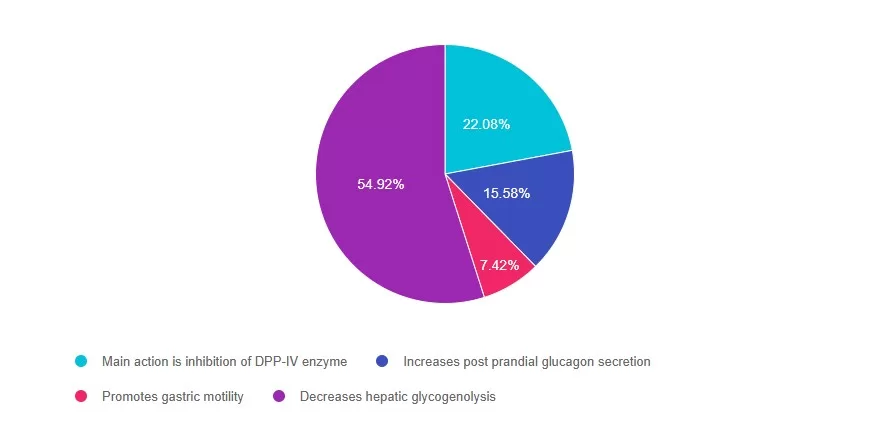
For last week’s practice question, we quizzed participants on What best describes the action of GLP-1 Receptor Agonists? 54% of respondents chose the best answer. We want to clarify and share this important information, so you can pass it on to people living with diabetes and your colleagues, plus prepare for exam success!

Before we start though, if you don’t want any spoilers and haven’t tried the question yet, you can answer it below: Answer Question


Lightbulb and text: Rationale of the Week


Question: Which of the following is accurate statement regarding Glucagon Like Peptides (GLP-1)?


Answer Choices:

  1. Main action is inhibition of DPP-IV enzyme
  2. Increases post prandial glucagon secretion
  3. Promotes gastric motility
  4. Decreases hepatic glycogenolysis

Getting to the Best Answer

If you are thinking about taking the certification exam, this practice test question will set you up for success. Test writers anticipate possible answers based on the details in the question. They will wave those “juicy answers” right under your nose. Your job is to weed through the particulars, pluck out the most important elements and choose the BEST answer.

Answer 1 is incorrect. 22% chose this answer, “Main action is inhibition of DPP-IV enzyme.” The GLP-1’s do not inhibit the action of the DPP-IV enzyme (that is the DPP-IV inhibitor class). GLP-1 agonists work by activating the GLP-1 receptor found on cells in the pancreas and brain. They slow gastric emptying, inhibit the release of glucagon, and stimulate insulin production, promote satiety and reduce hyperglycemia in people with type 2 diabetes.

Answer 2 is incorrect. 15% of you chose this answer, “Increases post prandial glucagon secretion.” GLP-1 agonists work by activating the GLP-1 receptor found on cells in the pancreas and brain. They inhibit the release of glucagon, slow gastric emptying and stimulate insulin production, promote satiety and reduce hyperglycemia in people with type 2 diabetes.

Answer 3 is incorrect. About 7% of respondents chose this, “Promotes gastric motility.” GLP-1 agonists work by activating the GLP-1 receptor found on cells in the pancreas and brain. They slow gastric emptying, inhibit the release of glucagon, and stimulate insulin production, promote satiety and reduce hyperglycemia in people with type 2 diabetes.

Finally, Answer 4 is correct. 54% chose this answer, “Decreases hepatic glycogenolysis.” YES – GREAT JOB! GLP-1 agonists work by activating the GLP-1 receptor found on cells in the pancreas and brain. They inhibit the release of glucagon which decreases hepatic glycogenolysis. They also slow gastric emptying, stimulate insulin production, promote satiety and reduce hyperglycemia in people with type 2 diabetes.

For more information, download our Medication PocketCard for more information.

We hope you appreciate this week’s rationale! Thank you so much for taking the time to answer our Question of the Week and participate in this fun learning activity!

Live in San Diego
DiabetesEd Training Seminar

Join us live October 22nd – 23rd, 2025!

30+ CEs with Expanded Accreditation!

More than a course, an experience.

Join our expert team for engaging, interactive sessions that bring the ADA Standards of Care to life—covering medications, behavior change, technology, and more. Ideal for CDCES or BC-ADM exam prep, this course also includes a 4-hour Virtual Medical Nutrition Therapy Toolkit and bonus content that also meets CDCES renewal requirements.

Program Objectives:

Upon completion of this activity, participants should be able to:

  • Describe the current ADA Standards for diagnosis, goals, and person-centered diabetes management across the lifespan. 
  • Demonstrate insulin pattern management and dosing strategies in clinical scenarios.
  • Implement timely screening and risk reduction strategies for microvascular and cardiovascular complications.  
  • Incorporate behavior change techniques and medical nutrition therapy to support people with diabetes self-management and lifestyle adjustment.  

Expert Faculty:

Diana Isaacs, PharmD, BCPS, BCACP, CDCES, BC-ADM, FADCES, FCCPCES

Smiling woman in white blazer and lavender blouse

Beverly Thomassian, RN, MPH, CDCES, BC-ADM

Faculty Bios & Disclosures

Our expert team transforms complex diabetes science into clear, practical insights—keeping it real, engaging, and fun!

Program Faculty Disclosures:

Partners for Advancing Clinical Education (Partners) requires every individual in a position to control educational content to disclose all financial relationships with ineligible companies that have occurred within the past 24 months. Ineligible companies are organizations whose primary business is producing, marketing, selling, re-selling, or distributing healthcare products used by or on patients.

All relevant financial relationships for anyone with the ability to control the content of this educational activity are listed below and have been mitigated according to Partners policies. Others involved in the planning of this activity have no relevant financial relationships.

Faculy Bios & Disclosures:

Coach Beverly Thomassian RN, MPH, CDCES, BC-ADM – CEO of DiabetesEd Services

Disclosures: 

Beverly Thomassian has no financial disclosures

Bio:

Author, Nurse, Educator, Clinician, and Innovator, Beverly has specialized in diabetes management for over twenty years. As president and founder of Diabetes Education Services, Beverly is dedicated to providing compassionate and evidence based diabetes education and improving the lives of those with diabetes.

PicsArt_04 03 11Diana Isaacs, PharmD, BCPS, BCACP, CDCES, BC-ADM, FADCES, FCCPCES 

Disclosures:

Dr. Diana Isaacs has the following relevant financial relationships:

  • Consultant, advisor, and speaker for Abbot Labratories, Dexcom, Medtronic, Insulet, Lilly, Cequr, Sanofi, and Undermyfork
  • Board member at Association for Diabetes Care and Education Specialists

Bio:

Diana Isaacs was awarded 2020 ADCES Diabetes Educator of the Year for her educational platform promoting the use of CGM for people with diabetes and other innovations.  She serves in leadership roles for several pharmacies and diabetes organizations. She has numerous diabetes publications and research projects with a focus on medications, CGM and diabetes technology.

For the past three year, Dr. Isaacs has served as a contributing author for the 2023 ADA Standards of Care.

As the Program Coordinator and clinical pharmacist specialist in the Cleveland Clinic Diabetes Center, Dr. Isaacs brings a wealth of clinical knowledge combined with extensive research and speaking experience to this program. 

Activity Start and End Date: 10/22/25 – 10/23/2025

Estimated time to complete the activity: 15 hours and 30 minutes

_____________________________________

Jointly provided by Partners for Advancing Clinical Education and Diabetes Education Services



Joint Accreditation Statement:

 In support of improving patient care, this activity has been planned and implemented by Partners for Advancing Clinical Education (Partners) and Diabetes Education Services. Partners is jointly accredited by the Accreditation Council for Continuing Medical Education (ACCME), the Accreditation Council for Pharmacy Education (ACPE), and the American Nurses Credentialing Center (ANCC), to provide continuing education for the healthcare team.

Physician Continuing Education:

Partners designates this enduring material for a maximum of 15.50 AMA PRA Category 1 Credit(s)™. Physicians should claim only the credit commensurate with the extent of their participation in the activity.

Nursing Continuing Professional Development:

The maximum number of hours awarded for this Nursing Continuing Professional Development activity is 15.50 contact hours.

Pharmacy Continuing Education:

Partners designates this continuing education activity for 15.50 contact hour(s) (1.550 CEUs) of the Accreditation Council for Pharmacy Education.
(Universal Activity Number – JA4008073-9999-25-206-L01-P)
Type of Activity: Application

For Pharmacists: Upon successfully completing the activity evaluation form, transcript information will be sent to the NABP CPE Monitor Service within 4 weeks.

Dietitian Continuing Education:

This program offers 15.50 CPEUs for dietitians.

Interprofessional Continuing Education:

This activity was planned by and for the healthcare team, and learners will receive 15.50 Interprofessional Continuing Education (IPCE) credit for learning and change.

For additional information about the accreditation of this activity, please visit https://partnersed.com.

The use of DES products does not guarantee the successful passage of the certification exam. CBDCE and ADCES do not endorse any preparatory or review materials for the CDCES or BC-ADM exams, except for those published by CBDCE & ADCES.

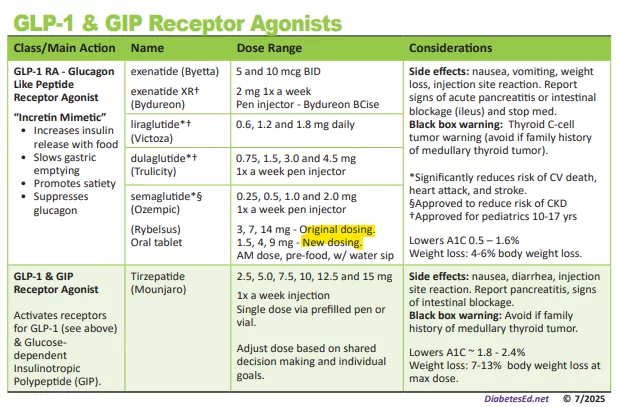
Rybelsus Dosing Update & Single Dose Vial Tirzepatide (Zepbound)

In the world of incretin therapy, there are two important updates for your clinical practice. Staying informed about dosing updates and FDA actions remains essential in this dynamic GLP-1/GIP landscape.

First, the oral version of semaglutide (Rybelsus) now offers two dosing options. In addition to the original R1 formulation of 3, 7 and 14mg, there is now a more conservative R2 dosing formulation of 1.5, 4 and 9mg.  This lower dosing option was recently introduced to help reduce gastrointestinal side effects while maintaining efficacy and enabling smoother escalation than the original dosing strategy.

We have updated our FREE Medication PocketCards to reflect this latest information.  You can also purchase your own laminated version! 

Second, Eli Lilly has launched single dose vials of tirzepatide (Zepbound), to provide more accessibility and pricing options for self-pay individuals who need a safe, less expensive option. This “twincretin” is FDA approved to treat people living with obesity and sleep apnea.  Eli Lilly also just announced they will stop production of single dose vials of tirzepatide (Mounjaro) for treatment of diabetes. The Mounjaro pens will continue to be available.

1. Rybelsus (oral semaglutide) dosing update

Novo Nordisk’s FDA-approved oral GLP-1 therapy, Rybelsus, now comes in two formulations:

💊 Formulation R1 tablets: 3 mg, 7 mg, and 14 mg

💊 Formulation R2 tablets: 1.5mg, 4mg, and 9?mg

Standard titration protocols:

▶️R1: Start at 3mg daily (days 1–30), increase to 7mg (days 31–60); thereafter, remain at 7mg or escalate to 14mg if needed.

🔹R2: Starting dose is 1.5mg daily for 30 days, then increase to 4 mg (days 31–60); after that, maintain 4mg or advance to 9mg based on glycemic control

See Rybelsus Package Insert for more detailed information.

Looking ahead—CV benefits expansion

A supplemental new drug application (sNDA) is under review to broaden Rybelsus’s indication to include major adverse cardiovascular events risk reduction in type 2 diabetes patients with cardiovascular or kidney disease. The FDA is expected to rule by October 2025.

2. Single vial tirzepatide (Zepbound) rollout

Eli Lilly has launched single dose vials of tirzepatide (Zepbound) —a dual GLP-1/GIP agonist approved for obesity and sleep apnea treatment—offering a more accessible and flexible self-pay option.

What Zepbound doses are available in vials?

  • ✅ 2.5mg and 5mg vials have been available for a while; now 7.5mg, 10mg, and even 12.5mg and 15mg single-dose vials are being offered.
  • ✅ Pricing is approximately $349/month for 2.5mg, $499 for 5mg, and newly introduced higher doses cap around $499–699/month depending on dose and timing.

Why vials matter:

  • ✅ Affordability: Prices are considerably lower than injector pens, which often cost around $1,000 monthly before insurance

  • ✅ Accessibility: Targets self-pay patients not eligible for insurance or savings programs.

  • ✅ Precision: Enables titration beyond currently approved pen doses; however, it requires self-administration via syringe, increasing complexity and risk of dosing errors.

Safety considerations:

  • ⚠️ The FDA continues to crack down on compounded (non-FDA-approved) semaglutide and tirzepatide products due to serious safety reports tied to misdosing and sterility issues.

  • ⚠️ Lilly, in turn, is using its vial rollout and legal action to provide safer, legitimate alternatives to compounding pharmacies.

3. Clinical & financial insights

  • 🫀 Rybelsus: Benefit from the new R2 protocol that eases GI side effects and may soon gain cardiovascular protection indications.

  • 💰 Tirzepatide (Zepbound): Vials offer cost savings and dosage flexibility, but require extra care in administration. Safe sourcing is key

  • 🚫 Market impact: The FDA’s crackdown on compounding and Lilly’s legal and pricing strategies reflect a shift toward ensuring access to approved, reliable options over risky alternatives.

4. Bottom Line

  • 💊 Rybelsus: The new R2 dosing regimen improves tolerability while maintaining efficacy and supports potential future cardiovascular indications.

  • 💸 Tirzepatide (Zepbound) vials: A welcome, lower-cost, flexible injection option—but users must handle dosing themselves and steer clear of unsafe compounded products.

Download our FREE Medication PocketCards to reflect this latest information. 

You can also purchase your own laminated version.

Rybelsus Package Insert

🎉 Register Today: DiabetesEd Live Conference – San Diego!
 October 22–23, 2025 | 🌴 San Diego, CA

Get ready for two days of expert-led, info-packed learning at our in-person DiabetesEd Live Seminar! Whether you’re preparing for your certification exam or looking to sharpen your clinical skills, this intensive event is designed to give you the tools, confidence, and knowledge you need.

💡Ideal for exam prep and clinical refresh
💡 Interactive sessions with real-world applications
💡Network with peers and diabetes care experts

📅 Save your space today for this unique conference on October 22 & 23rd.
📍 San Diego – beautiful location, powerful learning!

Exciting News! Newly Expanded Accreditation

Diabetes Education Services has teamed up with Partners for Advancing Clinical Education (Partners) to expand our accreditation offerings.

You can now earn CE credit for the Live San Diego Conference through the following accrediting bodies:

  • AMA PRA Category 1 Credits™
  • ACPE
  • ANCC
  • CDR

Question of the Week | Best example of Person-Centered Question?

Question of the Week Diabetes Education Services


RJ is entering the field of diabetes care and education and has heard about the new language movement but isn’t sure how to apply it to their clinical practice. Which of the following is the best example of using person-centered language when speaking to someone with diabetes?

  1. Would you describe yourself as non-compliant, but working toward achieving better control?
  2. Thanks for making it to your appointment. What would you like to work on today?
  3. By carefully following the plan I have outlined, I am sure you will feel more confident with your diabetes self-management.
  4. To prevent complications, don’t you think you should watch your numbers more closely?

DiabetesEd Training Seminar – Sale ending soon! Save $75 through July 23rd. Code SDLIVE

More than a course, an experience.

Join our expert team for engaging, interactive sessions that bring the ADA Standards of Care to life—covering medications, behavior change, technology, and more. Ideal for CDCES or BC-ADM exam prep, this course also includes a 4-hour Virtual Medical Nutrition Therapy Toolkit and bonus content that also meets CDCES renewal requirements.

Expert Faculty:

Diana Isaacs, PharmD, BCPS, BCACP, CDCES, BC-ADM, FADCES, FCCPCES

Smiling woman in white blazer and lavender blouse

Beverly Thomassian, RN, MPH, CDCES, BC-ADM

Faculty Bios & Disclosures

Our expert team transforms complex diabetes science into clear, practical insights—keeping it real, engaging, and fun!

Program Faculty Disclosures:

Partners for Advancing Clinical Education (Partners) requires every individual in a position to control educational content to disclose all financial relationships with ineligible companies that have occurred within the past 24 months. Ineligible companies are organizations whose primary business is producing, marketing, selling, re-selling, or distributing healthcare products used by or on patients.

All relevant financial relationships for anyone with the ability to control the content of this educational activity are listed below and have been mitigated according to Partners policies. Others involved in the planning of this activity have no relevant financial relationships.

Faculy Bios & Disclosures:

Coach Beverly Thomassian RN, MPH, CDCES, BC-ADM – CEO of DiabetesEd Services

Disclosures: 

Beverly Thomassian has no financial disclosures

Bio:

Author, Nurse, Educator, Clinician, and Innovator, Beverly has specialized in diabetes management for over twenty years. As president and founder of Diabetes Education Services, Beverly is dedicated to providing compassionate and evidence based diabetes education and improving the lives of those with diabetes.

PicsArt_04 03 11Diana Isaacs, PharmD, BCPS, BCACP, CDCES, BC-ADM, FADCES, FCCPCES 

Disclosures:

Dr. Diana Isaacs has the following relevant financial relationships:

  • Consultant, advisor, and speaker for Abbot Labratories, Dexcom, Medtronic, Insulet, Lilly, Cequr, Sanofi, and Undermyfork
  • Board member at Association for Diabetes Care and Education Specialists

Bio:

Diana Isaacs was awarded 2020 ADCES Diabetes Educator of the Year for her educational platform promoting the use of CGM for people with diabetes and other innovations.  She serves in leadership roles for several pharmacies and diabetes organizations. She has numerous diabetes publications and research projects with a focus on medications, CGM and diabetes technology.

For the past three year, Dr. Isaacs has served as a contributing author for the 2023 ADA Standards of Care.

As the Program Coordinator and clinical pharmacist specialist in the Cleveland Clinic Diabetes Center, Dr. Isaacs brings a wealth of clinical knowledge combined with extensive research and speaking experience to this program. 

Activity Start and End Date: 10/22/25 – 10/23/2025

Estimated time to complete the activity: 15 hours and 30 minutes

_____________________________________

Jointly provided by Partners for Advancing Clinical Education and Diabetes Education Services



Joint Accreditation Statement:

 In support of improving patient care, this activity has been planned and implemented by Partners for Advancing Clinical Education (Partners) and Diabetes Education Services. Partners is jointly accredited by the Accreditation Council for Continuing Medical Education (ACCME), the Accreditation Council for Pharmacy Education (ACPE), and the American Nurses Credentialing Center (ANCC), to provide continuing education for the healthcare team.

Physician Continuing Education:

Partners designates this enduring material for a maximum of 15.50 AMA PRA Category 1 Credit(s)™. Physicians should claim only the credit commensurate with the extent of their participation in the activity.

Nursing Continuing Professional Development:

The maximum number of hours awarded for this Nursing Continuing Professional Development activity is 15.50 contact hours.

Pharmacy Continuing Education:

Partners designates this continuing education activity for 15.50 contact hour(s) (1.550 CEUs) of the Accreditation Council for Pharmacy Education.
(Universal Activity Number – JA4008073-9999-25-206-L01-P)
Type of Activity: Application

For Pharmacists: Upon successfully completing the activity evaluation form, transcript information will be sent to the NABP CPE Monitor Service within 4 weeks.

Dietitian Continuing Education:

This program offers 15.50 CPEUs for dietitians.

Interprofessional Continuing Education:

This activity was planned by and for the healthcare team, and learners will receive 15.50 Interprofessional Continuing Education (IPCE) credit for learning and change.

For additional information about the accreditation of this activity, please visit https://partnersed.com.
The use of DES products does not guarantee the successful passage of the certification exam. CBDCE and ADCES do not endorse any preparatory or review materials for the CDCES or BC-ADM exams, except for those published by CBDCE & ADCES.

Rationale of the Week | What Helps Manage Gastroparesis in Type 1 Diabetes?

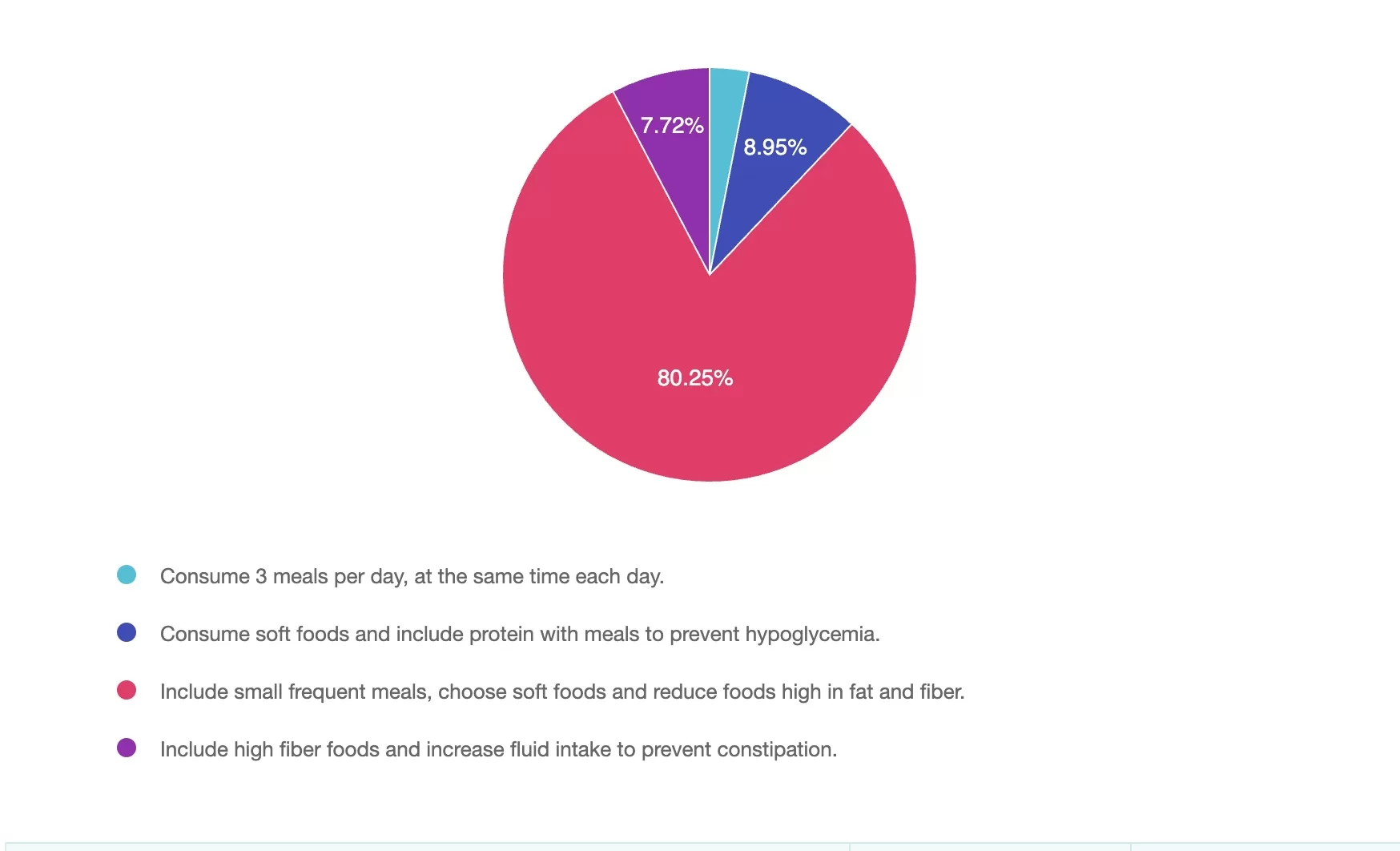
For last week’s practice question, we quizzed participants on What Helps Manage Gastroparesis in Type 1 Diabetes? 80% of respondents chose the best answer. We want to clarify and share this important information, so you can pass it on to people living with diabetes and your colleagues, plus prepare for exam success!

Before we start though, if you don’t want any spoilers and haven’t tried the question yet, you can answer it below: Answer Question


Lightbulb and text: Rationale of the Week


Question: VC has been living with type 1 diabetes for 43 years and was recently diagnosed with gastroparesis. Symptoms have included early satiety, nausea, bloating and intestinal pain. VC has an A1c of 6.7% but is experiencing frequent hypoglycemia. What general nutrition modifications would VC benefit from?


Answer Choices:

  1. Consume 3 meals per day, at the same time each day.
  2. Consume soft foods and include protein with meals to prevent hypoglycemia.
  3. Include small frequent meals, choose soft foods and reduce foods high in fat and fiber.
  4. Include high fiber foods and increase fluid intake to prevent constipation.

Getting to the Best Answer

If you are thinking about taking the certification exam, this practice test question will set you up for success. Test writers anticipate possible answers based on the details in the question. They will wave those “juicy answers” right under your nose. Your job is to weed through the particulars, pluck out the most important elements and choose the BEST answer.

Answer 1 is incorrect. 3% chose this answer, “Consume 3 meals per day, at the same time each day.” This approach can be helpful to manage glucose for some individuals with diabetes, however in gastroparesis timing, meal size, type of foods, and food textures are key.

Answer 2 is incorrect. 8% of you chose this answer, “Consume soft foods and include protein with meals to prevent hypoglycemia.” While soft foods and adequate protein is important, this doesn’t address the need to reduce fat and fiber and shift to smaller, more frequent meals.

Answer 3 is correct. About 80% of respondents chose this, “Include small frequent meals, choose soft foods and reduce foods high in fat and fiber.” Small frequent meals can improve rate of motility through the stomach to small intestine, low fat and low fiber whole foods also tend to move more quickly from the stomach (liquid sources may be tolerated better), and soft foods such as well-cooked vegetables to tender proteins may help reduce nausea, bloating and can ease the digestive process. Individual assessment of rate of digestion and insulin administration timing should also be considered to reduce the risk of post-prandial hypoglycemia.

Finally, Answer 4 is incorrect. 7% chose this answer, “Include high fiber foods and increase fluid intake to prevent constipation.” A high fiber diet can often worsen symptoms in gastroparesis by slowing gastric emptying further. Fluids are important, but fiber from whole foods is typically reduced.

We hope you appreciate this week’s rationale! Thank you so much for taking the time to answer our Question of the Week and participate in this fun learning activity!

DiabetesEd Training Seminar - Save $75 through July 23rd. Code SDLIVE

More than a course, an experience.

Join our expert team for engaging, interactive sessions that bring the ADA Standards of Care to life—covering medications, behavior change, technology, and more. Ideal for CDCES or BC-ADM exam prep, this course also includes a 4-hour Virtual Medical Nutrition Therapy Toolkit and bonus content that also meets CDCES renewal requirements.

Join us live October 22nd – 23rd, 2025!

30+ CEs with Expanded Accreditation!

Program Objectives:

Upon completion of this activity, participants should be able to:

  • Describe the current ADA Standards for diagnosis, goals, and person-centered diabetes management across the lifespan. 
  • Demonstrate insulin pattern management and dosing strategies in clinical scenarios.
  • Implement timely screening and risk reduction strategies for microvascular and cardiovascular complications.  
  • Incorporate behavior change techniques and medical nutrition therapy to support people with diabetes self-management and lifestyle adjustment.  

Expert Faculty:

Diana Isaacs, PharmD, BCPS, BCACP, CDCES, BC-ADM, FADCES, FCCPCES

Smiling woman in white blazer and lavender blouse

Beverly Thomassian, RN, MPH, CDCES, BC-ADM

Faculty Bios & Disclosures

Our expert team transforms complex diabetes science into clear, practical insights—keeping it real, engaging, and fun!

Program Faculty Disclosures:

Partners for Advancing Clinical Education (Partners) requires every individual in a position to control educational content to disclose all financial relationships with ineligible companies that have occurred within the past 24 months. Ineligible companies are organizations whose primary business is producing, marketing, selling, re-selling, or distributing healthcare products used by or on patients.

All relevant financial relationships for anyone with the ability to control the content of this educational activity are listed below and have been mitigated according to Partners policies. Others involved in the planning of this activity have no relevant financial relationships.

Faculy Bios & Disclosures:

Coach Beverly Thomassian RN, MPH, CDCES, BC-ADM – CEO of DiabetesEd Services

Disclosures: 

Beverly Thomassian has no financial disclosures

Bio:

Author, Nurse, Educator, Clinician, and Innovator, Beverly has specialized in diabetes management for over twenty years. As president and founder of Diabetes Education Services, Beverly is dedicated to providing compassionate and evidence based diabetes education and improving the lives of those with diabetes.

PicsArt_04 03 11Diana Isaacs, PharmD, BCPS, BCACP, CDCES, BC-ADM, FADCES, FCCPCES 

Disclosures:

Dr. Diana Isaacs has the following relevant financial relationships:

  • Consultant, advisor, and speaker for Abbot Labratories, Dexcom, Medtronic, Insulet, Lilly, Cequr, Sanofi, and Undermyfork
  • Board member at Association for Diabetes Care and Education Specialists

Bio:

Diana Isaacs was awarded 2020 ADCES Diabetes Educator of the Year for her educational platform promoting the use of CGM for people with diabetes and other innovations.  She serves in leadership roles for several pharmacies and diabetes organizations. She has numerous diabetes publications and research projects with a focus on medications, CGM and diabetes technology.

For the past three year, Dr. Isaacs has served as a contributing author for the 2023 ADA Standards of Care.

As the Program Coordinator and clinical pharmacist specialist in the Cleveland Clinic Diabetes Center, Dr. Isaacs brings a wealth of clinical knowledge combined with extensive research and speaking experience to this program. 

Activity Start and End Date: 10/22/25 – 10/23/2025

Estimated time to complete the activity: 15 hours and 30 minutes

_____________________________________

Jointly provided by Partners for Advancing Clinical Education and Diabetes Education Services


Joint Accreditation Statement:

 In support of improving patient care, this activity has been planned and implemented by Partners for Advancing Clinical Education (Partners) and Diabetes Education Services. Partners is jointly accredited by the Accreditation Council for Continuing Medical Education (ACCME), the Accreditation Council for Pharmacy Education (ACPE), and the American Nurses Credentialing Center (ANCC), to provide continuing education for the healthcare team.

Physician Continuing Education:

Partners designates this enduring material for a maximum of 15.50 AMA PRA Category 1 Credit(s)™. Physicians should claim only the credit commensurate with the extent of their participation in the activity.

Nursing Continuing Professional Development:

The maximum number of hours awarded for this Nursing Continuing Professional Development activity is 15.50 contact hours.

Pharmacy Continuing Education:

Partners designates this continuing education activity for 15.50 contact hour(s) (1.550 CEUs) of the Accreditation Council for Pharmacy Education.
(Universal Activity Number – JA4008073-9999-25-206-L01-P)
Type of Activity: Application

For Pharmacists: Upon successfully completing the activity evaluation form, transcript information will be sent to the NABP CPE Monitor Service within 4 weeks.

Dietitian Continuing Education:

This program offers 15.50 CPEUs for dietitians.

Interprofessional Continuing Education:

This activity was planned by and for the healthcare team, and learners will receive 15.50 Interprofessional Continuing Education (IPCE) credit for learning and change.

For additional information about the accreditation of this activity, please visit https://partnersed.com.

The use of DES products does not guarantee the successful passage of the certification exam. CBDCE and ADCES do not endorse any preparatory or review materials for the CDCES or BC-ADM exams, except for those published by CBDCE & ADCES.

“Have You Been Drinking?’ – Coach Bev’s Book Excerpt

The paramedics rushed me into the emergency room. They gave report as the nurse busied herself with wrapping a blood pressure cuff around my arm and clipping a pulse oximeter to my index finger. With the sloppy arrangement of bandages around my head, I looked like a pale mummy dressed up for Halloween. The oral surgery from earlier that day caused my lips and mouth to swell, making me look like I had recently survived a brawl.

In an instant, I felt like I might pass out, and fear grabbed at my chest. I managed to croak out to the nurse, who was running back and forth between two rooms, “How would you know if I went unconscious?”

She glared at me and said, “Your blood pressure is fine.” Then she sighed and peppered me with the first questions she had asked since I arrived. “Are you on drugs?”

“No.”

“Do you have a mental illness?”

“No.”

“Have you been drinking?” she asked.

“No, I had oral surgery…”

My attention waned as my brain drifted off to sleep. Suddenly, a loud beeping filled the room as the blood pressure alarms began to sound. The nurse shifted into fast motion, dropped the head of the gurney, and deftly jabbed me with a 16-gauge intravenous (IV) needle. She ran a liter of normal saline, full throttle, into my parched body. This nurse knew her way around trauma. She was an emergency room hotshot, adept at triage, and could probably have started that IV blindfolded and with a full bladder. But I couldn’t figure out why she was so annoyed with me. Why couldn’t she comfort this frightened person in her care?

As a veteran nurse and a person with a handful of chronic conditions, I have witnessed healthcare professionals with cutting-edge expertise neglect to make a connection with the very people they are working so hard to serve. I have also encountered healthcare professionals with minimal experience making an earnest effort to connect and comfort individuals in their care. As a patient who has experienced enough ER visits and hospital stays to last a lifetime, I feel a deep and persistent gratitude to those caregivers who grabbed my hand and reassured me that I would be okay.

After receiving a few bags of saline, my low blood pressure—caused by severe dehydration—stabilized, and I quickly recovered. Besides my swollen face from oral surgery and bruised ego, I felt like my old self and easily joked around with the next nurse who took over my care. But inside, I felt embarrassed and angry. I kept wondering why the first nurse had not comforted the frightened and vulnerable person in her care instead of assuming I was suffering from mental illness, using drugs, or drinking. My pride was battered. I felt as though she stood in judgment of me, with a laser-like focus on asserting her clinical skills and knowledge.

With time and reflection, I began to view this event from a more nuanced perspective. There could be other factors contributing to her seemingly indifferent approach. Perhaps her shift was ending and she was eager to return home to her family. She might be struggling with burnout, like many of our healthcare colleagues. Maybe I reminded her of a past patient who was especially needy. Alternatively, she could be living with unresolved trauma that was in search of healing.

As a caregiver, can you recognize a part of yourself in this nurse?    

Have you ever responded to a patient in a way that didn’t match your values and intentions? Maybe you were struggling with pain in your life, and you had nothing left to give. Or it could have been that a person’s fear and neediness triggered an unexpected response from you that caught you off guard. Perhaps you assumed the person in your care was drug-seeking or somehow trying to manipulate the situation without having all the facts. You’re not alone if you’re saying “yes” to those questions.

After 40 years as a nurse and diabetes specialist, I have responded to patients in ways that contradicted my values and intentions. I still carry a sense of regret for the times I have judged or treated others unfairly. However, the silver lining is that my missteps helped me forge a new path by recognizing where that “judgy” side of me exists and actively working to heal it. This shift to accepting people as they are and opening my heart to make meaningful connections has unexpectedly served as a healing balm to my most profound areas of pain. In return, I can be more present with people’s suffering and receive them as they are at that moment.

Offering acceptance without judgment may be one of the greatest gifts you can extend as a healthcare professional —to those you care for and yourself. This action creates space for mutual healing, flowing in both directions—from healthcare professional to patient and back again.

As a healthcare professional, you bring your own life experiences, traumas, wounds, triggers, blind spots, beliefs, and inner narratives to each patient encounter.. We all do. Gabor Maté, a renowned physician and author, has shared his journey of recovering from trauma through his work and personal reflections. His recovery was deeply tied to understanding the roots of his trauma, developing self-awareness, and engaging in practices that foster healing. Dr. Maté emphasizes that “trauma is not the event itself, but the wound left by the event—how the experience disrupts one’s sense of self and connection to others.” He believes sharing one’s story and connecting with others’ experiences can be a powerful way to heal.

My life story begins with the hope of living the American dream but quickly unravels with life events I did not ask for or anticipate. With a determined focus on my future, I reclaimed my life and marched forward, holding my pain inside. I figured that if I worked hard enough and finally proved myself worthy, these feelings of failure would slip away into the darkness from whence they came.

By the time I reached 50, I thought I had accomplished my goal and wrestled the inner critic to the ground. But that’s when my body stopped me cold in my tracks and forced me to look deep inside to start the healing process.

This book is an emancipation from those stories not told while providing a path toward healing. I aim to share these hidden moments as a commitment to healing myself and giving YOU permission to share your story. I know I am not the only healthcare professional who has endured painful experiences and had to keep going. We all have stories of suffering and triumph, desperation and survival, grief and reconciliation.

These lived experiences may even be what led you to enter the healthcare field in the first place.

Your Healing Journey Starts Here

At the intersection of healer and caregiver, a meeting of human experiences takes place. It’s an opportunity to connect with genuine curiosity and compassion—to see the person before you without preconceived notions or judgment.  

This book is both a reminder and a roadmap; an invitation to care for yourself with the same compassion you offer others. It provides a rare perspective on mutual healing: As we help others heal, we also heal ourselves. Within these pages, you’ll find a toolbox for exploring your truth, tapping into your emotions, and cultivating creativity. Together, we’ll explore the often-overlooked connection between your own lived experiences and those of the individuals in your care.  

This book speaks directly to the heart of caregiving. It shows how, when you balance the science of medicine with the humanity of connection, every interaction becomes an opportunity for transformation, growth, and healing.

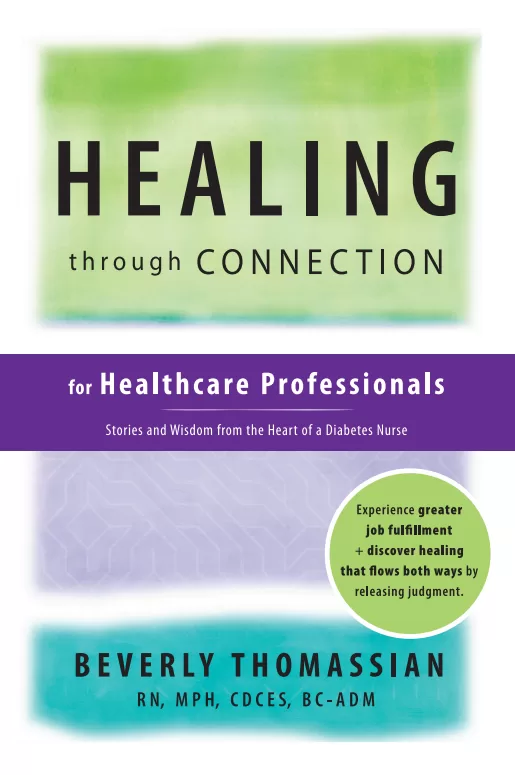
PreOrder your signed copy of Coach Bev’s book, Healing Through Connection for Healthcare Professionals today. 
Special sale price and Free Med PocketCard with every order.
For a limited time only!

Join our Virtual Book Release Party  on July 23rd at 11:30 PST    

Before I launch my book tour, I want to share the contents with all of YOU first – at our upcoming virtual party. 
This book is a personal testament to the strength of the human spirit,
with the belief that when we show up with open hearts, we become part of each other’s healing. 

There will be some fun surprises during the launch party ???– so I hope you can join us!

Stop by my booth #527 at ADCES in Phoenix, Aug 8-10th.  I will be there to sign books, hear your stories and dole out hugs!

Rationale of the Week | Managing Overnight Hypoglycemia: Best Plan?

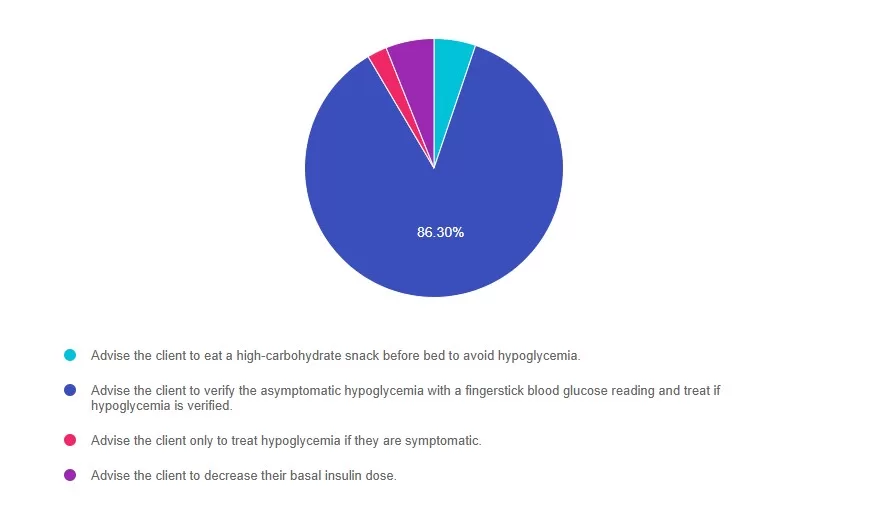
For last week’s practice question, we quizzed participants on Managing Overnight Hypoglycemia: Best Plan? 86% of respondents chose the best answer. We want to clarify and share this important information, so you can pass it on to people living with diabetes and your colleagues, plus prepare for exam success!

Before we start though, if you don’t want any spoilers and haven’t tried the question yet, you can answer it below: Answer Question


Lightbulb and text: Rationale of the Week


Question:  Your client wants to discuss a concern about overnight hypoglycemia alerts on the CGM. These hypoglycemia alerts have been happening intermittently and only in the overnight hours. The client reports no changes in diet, activity, or insulin doses over the past 2 weeks. These events are asymptomatic, and the client reports that these episodes resolve rapidly before they can get to the kitchen to treat the hypoglycemic event. What is the best plan of action for this client?


Answer Choices:

  1. Advise the client to eat a high-carbohydrate snack before bed to avoid hypoglycemia.
  2. Advise the client to verify the asymptomatic hypoglycemia with a fingerstick blood glucose reading and treat if hypoglycemia is verified.
  3. Advise the client only to treat hypoglycemia if they are symptomatic.
  4. Advise the client to decrease their basal insulin dose.

Getting to the Best Answer

If you are thinking about taking the certification exam, this practice test question will set you up for success. Test writers anticipate possible answers based on the details in the question. They will wave those “juicy answers” right under your nose. Your job is to weed through the particulars, pluck out the most important elements and choose the BEST answer.

Answer 1 is incorrect. 4% chose this answer, “Advise the client to eat a high-carbohydrate snack before bed to avoid hypoglycemia.” Although tempting, eating a high-carbohydrate snack before bed doesn’t address the need to verify an asymptomatic and unexpected low blood glucose. 

Answer 2 is correct. 86% of you chose this answer, “Advise the client to verify the asymptomatic hypoglycemia with a fingerstick blood glucose reading and treat if hypoglycemia is verified.” GREAT JOB! Continuous glucose monitors are susceptible to compression lows. These lows occur when pressure is applied to the sensor/transmitter, which can occur during sleep. This can result in hypoglycemia alerts. Diabetes care and education specialists can help recognize this pattern and coach clients using CGM technology to verify any asymptomatic or unexpected hypoglycemia with a fingerstick blood glucose reading before making a treatment decision. 

Answer 3 is incorrect. About 2% of respondents chose this, “Advise the client only to treat hypoglycemia if they are symptomatic.” All clients need to be encouraged to verify any unexpected glucose readings, particularly if they have asymptomatic hypoglycemia, with a fingerstick blood glucose reading before treating.”

Finally, Answer 4 is incorrect. About 5% of you chose this answer, “Advise the client to decrease their basal insulin dose.” The blood glucose readings need to be verified before adjusting the basal insulin dose. 

We hope you appreciate this week’s rationale! Thank you so much for taking the time to answer our Question of the Week and participate in this fun learning activity!

ReVive 5 Diabetes Training Program: A Person-Centered Approach to Diabetes Distress & Glucose Management

Join us live on July 15th and July 22nd, 2025 at 9:00 am PST

6+ CEs with Expanded Accreditation!

Join experts Larry Fisher, Ph.D., ABPP, Susan Guzman, Ph.D., and Coach Beverly Thomassian, RN, MPH, CDCES, BC-ADM, for this transformative two-part training on the ReVive 5 framework—an evidence-based approach that integrates emotional well-being and glucose data into person-centered diabetes care.

Grounded in the results of the EMBARK Trial, this program emphasizes the urgent need to assess and address diabetes distress, now recognized in the ADA Standards of Care as a critical component of care. You’ll gain practical tools and strategies used in the trial to support emotional well-being, meet clinical standards, and empower individuals on their diabetes journey.

Program Objectives:

Upon completion of this activity, participants will be able to:

  • Identify the key differences between diabetes distress and depression and explain their impact on self-care behaviors.
  • Apply evidence-based communication strategies to respond to diabetes distress screening results.
  • Demonstrate how to analyze glucose patterns using meter and sensor data. 
  • Utilize the ReVive 5-step approach to integrate emotional and glucose management into diabetes care.

Team of Experts:

ReVive 5 is taught by a team of 3 Interdisciplinary Experts:

Smiling woman in white blazer and lavender blouse

Lawrence Fisher, Ph.D., ABPP
Professor Emeritus, UCSF

Susan Guzman, PhD

Beverly Thomassian, RN, MPH, CDCES, BC-ADM
CEO of DiabetesEd Services

Faculty Bios & Disclosures

Program Faculty Disclosures:

Partners for Advancing Clinical Education (Partners) requires every individual in a position to control educational content to disclose all financial relationships with ineligible companies that have occurred within the past 24 months. Ineligible companies are organizations whose primary business is producing, marketing, selling, re-selling, or distributing healthcare products used by or on patients.

All relevant financial relationships for anyone with the ability to control the content of this educational activity are listed below and have been mitigated according to Partners policies. Others involved in the planning of this activity have no relevant financial relationships.

Faculy Bios & Disclosures: 

Larry 1024x1024Lawrence Fisher, Ph.D., ABPP, Professor Emeritus, UCSF 

Disclosures:
  • Consultant, advisor, and speaker for Eli Lilly

Speaker Interview:

Bio:

Dr. Fisher has been a professor in the Department of Family & Community Medicine at the University of California, San Francisco for over 25 years, and he is the Director of The Behavioral Diabetes Research Group at UCSF. 

He has a Diplomate in Clinical Psychology from the American Board of Professional Psychology and is a former Associate Editor of Diabetes Care. He has conducted multiple cross-sectional and longitudinal NIH- and ADA-supported clinical research with adults with diabetes and their families.

His recent work focuses on diabetes distress and depression, disease management, and how adults and families struggle over time to manage chronic health conditions. He has won two major UCSF School of Medicine teaching awards, was nominated for the UCSF Postdoctoral Scholars Association Outstanding Mentorship Award, and has received a certificate from the American Psychological Association in “Recognition for Substantial Contributions to the Field of Family Psychology and Health.”

In 2012 he received the Richard Rubin Award from the American Diabetes Association. He maintains an active clinical practice at UCSF, has published over 190 peer-reviewed articles on diabetes and related topics, and frequently speaks to both professional and lay groups at local, national, and international meetings and workshops.


susan guzman 855x1024Susan Guzman, PhD 

Disclosures:
  • Consultant, advisor, and speaker for Abbot Labratories and Embecta
Speaker Interview:

Dr. Guzman is a clinical psychologist specializing in diabetes. In 2003, Dr. Guzman co-founded the Behavioral Diabetes Institute (BDI), the first non-profit organization devoted to the emotional and behavioral aspects of living with diabetes. 

At BDI, she serves as the Director of Clinical Education, developing and leading programs for people with diabetes and healthcare professionals. She has helped develop and facilitate diabetes distress group interventions for two NIH-funded research studies for adults with type 1 diabetes.

Dr. Guzman is passionate about helping to change the conversations in diabetes away from shame, blame, and judgment to those based on facts, empathy, and engagement. She has been part of a joint ADA/ADCES effort to address problematic language and messages in diabetes.

Coach Beverly Thomassian RN, MPH, CDCES, BC-ADM
 
Disclosures:

Beverly Thomassian has no financial disclosures

Speaker Interview:

Bio:

Author, Nurse, Educator, Clinician, and Innovator, Beverly has specialized in diabetes management for over twenty years. As president and founder of Diabetes Education Services, Beverly is dedicated to providing compassionate and evidence based diabetes education and improving the lives of those with diabetes.

Activity Start and End Date: 7/15/2025 to 7/22/2027

Estimated time to complete the activity: 6 hours and 15 minutes

Jointly provided by Partners for Advancing Clinical Education and Diabetes Education Services


Joint Accreditation Statement:

 In support of improving patient care, this activity has been planned and implemented by Partners for Advancing Clinical Education (Partners) and Diabetes Education Services. Partners is jointly accredited by the Accreditation Council for Continuing Medical Education (ACCME), the Accreditation Council for Pharmacy Education (ACPE), and the American Nurses Credentialing Center (ANCC), to provide continuing education for the healthcare team.

Physician Continuing Education:

Partners designates this enduring material for a maximum of 6.25 AMA PRA Category 1 Credit(s)™. Physicians should claim only the credit commensurate with the extent of their participation in the activity.

Nursing Continuing Professional Development:

The maximum number of hours awarded for this Nursing Continuing Professional Development activity is 6.25 contact hours.

Pharmacy Continuing Education:

Partners designates this continuing education activity for 6.25 contact hour(s) (.625] CEUs) of the Accreditation Council for Pharmacy Education.
(Universal Activity Number – UAN JA4008073-9999-25-198-H01-P)

Type of Activity: Application

For Pharmacists: Upon successfully completing the activity evaluation form, transcript information will be sent to the NABP CPE Monitor Service within 4 weeks.

Dietitian Continuing Education:

This program offers 6.25 CPEUs for dietitians.

Interprofessional Continuing Education:

This activity was planned by and for the healthcare team, and learners will receive 6.25 Interprofessional Continuing Education (IPCE) credit for learning and change.

Disclosure of Unlabeled Use:
This educational activity may contain discussion of published and/or investigational uses of agents that are not indicated by the FDA. The planners of this activity do not recommend the use of any agent outside of the labeled indications. The opinions expressed in the educational activity are those of the faculty and do not necessarily represent the views of the planners. Please refer to the official prescribing information for each product for discussion of approved indications, contraindications, and warnings.

Disclaimer:
Participants have an implied responsibility to use the newly acquired information to enhance patient outcomes and their own professional development. The information presented in this activity is not meant to serve as a guideline for patient management. Any procedures, medications, or other courses of diagnosis or treatment discussed or suggested in this activity should not be used by clinicians without evaluation of their patient’s conditions and possible contraindications and/or dangers in use, review of any applicable manufacturer’s product information, and comparison with recommendations of other authorities.

Instructions for Credit
Participation in this self-study activity should be completed in approximately 6 hours and 15 minutes. To successfully complete this activity and receive CE credit, learners must follow these steps during the period from 7/15/2025 to 7/22/2027.

  • Review the objectives and disclosures
  • Study the educational content in Online University
  • After review of content, a module within the course in the Online University will list a link to Partners for Advancing Clinical Education’s website
  • Visit Partners for Advancing Clinical Education website listed in course in the Online University
  • Complete the activity evaluation through Partners for Advancing Clinical Education website

For additional information about the accreditation of this activity, please visit https://partnersed.com.
The use of DES products does not guarantee the successful passage of the certification exam. CBDCE and ADCES do not endorse any preparatory or review materials for the CDCES or BC-ADM exams, except for those published by CBDCE & ADCES.