A 67-year-old woman with type 2 diabetes (A1C 7.2%) is receiving chemotherapy for metastatic breast cancer. As part of her treatment, she receives high-dose dexamethasone every morning for 3 days following each chemotherapy cycle. She takes metformin and insulin glargine daily. Her fasting glucose values remain between 95–120 mg/dL, but glucose levels increase to 260–320 mg/dL after lunch and dinner on steroid treatment days.
Which intervention is the most appropriate?
- A. Increase the basal insulin dose by 50% along with metformin dose on chemotherapy days.
- B. Hold basal insulin and add SGLT2 inhibitor along with the metformin.
- C. Recommend limiting carbohydrates until chemotherapy is completed.
- D. Use a combination of intermediate-acting and rapid-acting insulin on chemotherapy days.
Want to Learn More about this Question?
Join us July 21st for our
Level 5 | Cancer & Diabetes Webinar
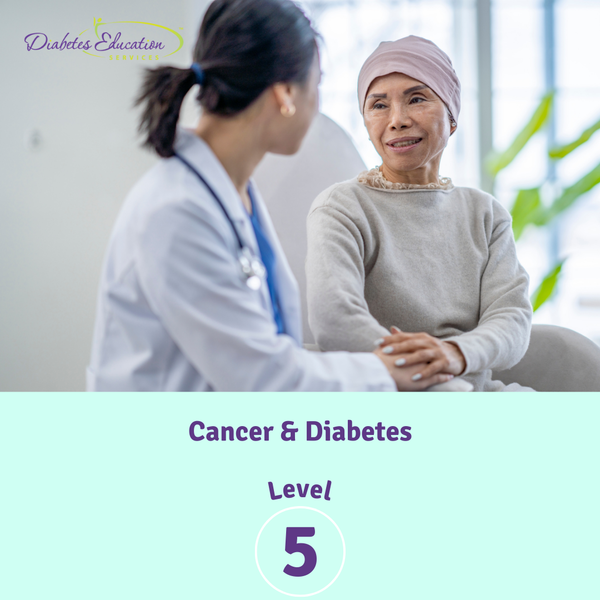
Explore the unexpected link between cancer and diabetes — and master glucose management strategies for people with diabetes undergoing treatment.
Individuals with cancer often experience hyperglycemia secondary to treatment, which can increase the risk of infection and other complications. Recent research has also identified a significant link between diabetes and cancer. This course uses a case study approach to explore this connection and provide practical strategies for managing steroid-induced hyperglycemia and improving quality of life for people navigating both conditions.
Course Topics:
- Discuss the relationship between cancer, hyperglycemia, and insulin resistance
- State 3 benefits of normalizing glucose levels during chemotherapy
- Using a case study approach, discuss strategies to improve glucose levels and quality of life