
Subscribe
eNewsletter

Ready to get certified?
Free CDCES Coach App

eNewsletter
Free CDCES Coach App
Many people with type 1 diabetes purchase dogs specifically trained to detect hypoglycemia and alert the owner of impending low blood sugar. The dogs can cost thousands of dollars and are often described as “lifesaving”.

Unfortunately, some of the dog training companies have faced lawsuits or complaints from consumers that the dogs are not effective. And even though they may be called a “certified” alert dog, there are generally no standardized regulations or performance criteria to earn that recognition.
Available studies results indicate that, “Overall, they [diabetic alert dogs] really were not that reliable or accurate,” says University of Virginia psychologist Linda Gonder-Frederick tracked the performance of 14 diabetic alert dogs in a 2017 study .
While researchers have found little evidence that dogs can reliably sniff out blood sugar changes, they have encountered a kind of paradox: People who get alert dogs tend to do better with their diabetes.
It turns out that the dogs may be a pleasant reminder to check blood glucose and attend to their diabetes. And, the dogs can help people feel less alone and provide comfort when dealing with a daily condition that can be very overwhelming.
Read More Here from NPR: The Hope and Hype of Diabetic Alert Dogs
Sign up for Diabetes Blog Bytes – we post one daily Blog Byte from Monday to Friday. And of course, Tuesday is our Question of the Week. It’s Informative and FREE! Sign up below!
[yikes-mailchimp form=”1″]
We want to send a big thank you to one of our community members, Rachel Newman, RN, who forwarded us these amazing resources!
Below is a list of resources that range from tips to managing diabetes through nutrition and sleep, the health impacts of diabetes and aging, financial assistance, and tips on how to discuss treatment plans with providers.
Diabetes and Aging – The combination of aging and diabetes can even make some health problems worse. This article addresses what to look out for to prevent any further health issues.
Diabetes and Nutrition – Tips for managing blood sugar and how eating well can help manage blood sugar.
Diabetes and Sleep – Steps to get a better night’s sleep and how sleep can help those living with diabetes or prediabetes.
Financial Assistance for Diabetes Patients – Information and assistance for private and government health insurance, local programs, support groups, and medicine-assistance programs.
Talking with Your Doctor about Your Treatment – A great resource to help people with diabetes discuss their treatment plans with their providers.
Sign up for Diabetes Blog Bytes – we post one daily Blog Byte from Monday to Friday. And of course, Tuesday is our Question of the Week. It’s Informative and FREE! Sign up below!
[yikes-mailchimp form=”1″]
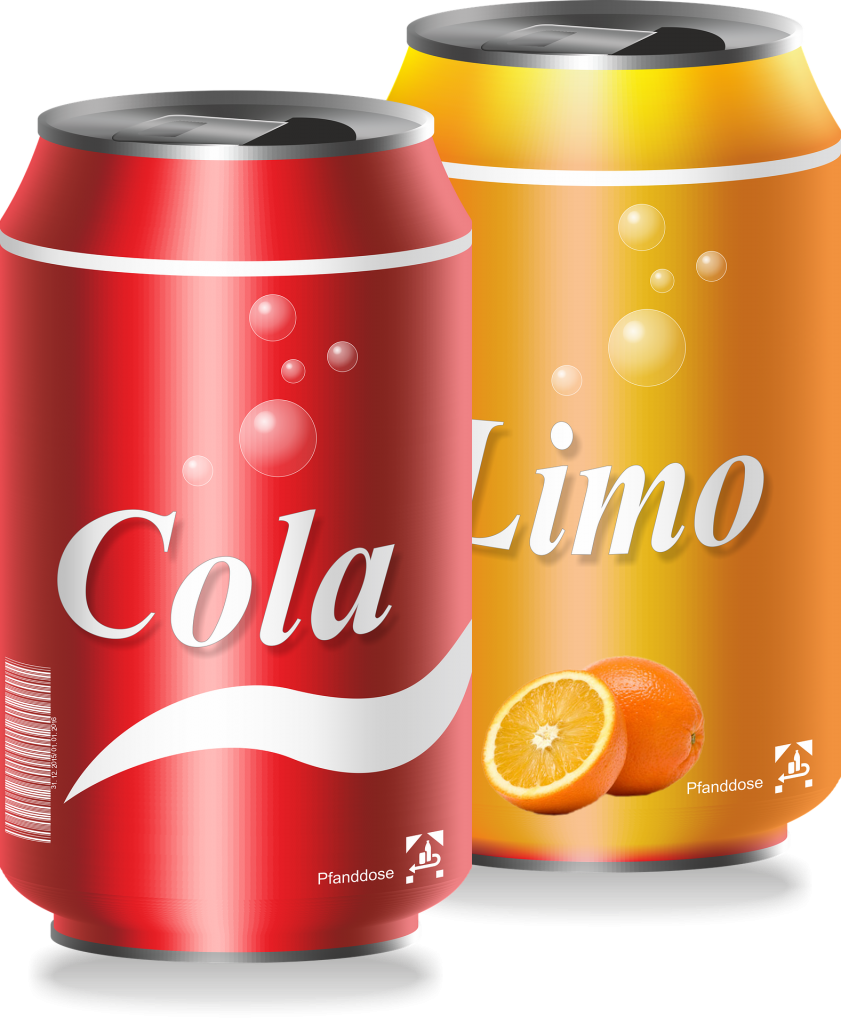
In a 2019 study published in Diabetes Care, researchers evaluated the associations between long term consumption of sugary beverages and the risk of type 2 diabetes. These sugary beverages included both sugar-sweetened beverages, (SSBs) artificially sweetened beverages (ASBs) as well as 100% fruit juice.
After adjustment for BMI and lifestyle covariates, the study found that:
Increasing total sugary beverage intake by as little as a half serving a day was associated with a 16% increased risk of diabetes over the next 4 years.
To conduct this large cohort study, the researchers followed up with 76,531 participants in the Nurses’ Health Study plus and additional 81,597 participants in the Nurses’ Health Study 2. They also included 34,224 men in the Health Professionals’ Follow-up Study. Since these studies were ongoing since 1986 so there was plenty of data to crunch.
The researchers specifically looked at the change in sugary beverage consumption from the food questionnaires the participants received every four years. They found that when the total consumption of sugary beverages increased there was a 16-18% higher risk of type 2 diabetes.
The opposite was proven to be true as well: replacing one daily serving of a sugary beverage with coffee, water or tea but not an (ASB) was associated with a 2-10% lower risk of diabetes.
This extensive study demonstrates that regardless of the type of sugar-sweetened beverage, the risk of diabetes increases with each SSB consumed.
To read more about this study click here
Sign up for Diabetes Blog Bytes – we post one daily Blog Byte from Monday to Friday. And of course, Tuesday is our Question of the Week. It’s Informative and FREE! Sign up below!
[yikes-mailchimp form=”1″]
Our Diabetes Detective Team scans the diabetes news to discover the most relevant info that Diabetes Educators need in their daily practice. We post one daily Blog Byte from Monday to Friday. And of course, Tuesday is our Question of the Week. It’s Informative and FREE! Sign up below!
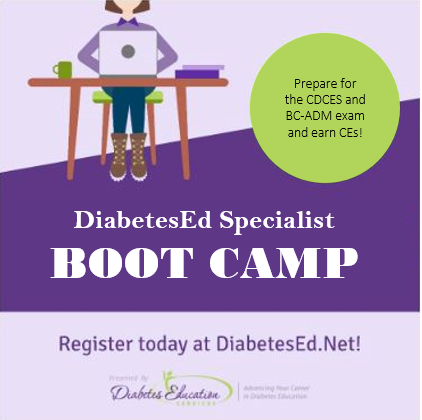
We’re updating our DiabetesEd Specialist Boot Camp throughout February and March. See full schedule here.
In each webinar, Coach Beverly highlights the critical content of each topic area, so you can focus your study time most efficiently. She also launches multiple poll questions to helps students focus on key concepts and assess their knowledge while learning the best test-taking strategies.
Sign up for Diabetes Blog Bytes – we post one daily Blog Byte from Monday to Friday. And of course, Tuesday is our Question of the Week. It’s Informative and FREE! Sign up below!
[yikes-mailchimp form=”1″]There are a number of “life hacks” out there recommending adding butter to coffee, taking specific miracle supplements, or engaging in even more extreme methods like blood transfusion, all in an attempt to slow aging, improve health, and decrease weight.

However, the simple approach of regular exercise, healthy eating, and not smoking increases longevity and enjoyment with the additional benefit of increased lifespan in a multitude of studies.
In 2011, the American Journal of Public Health published such a study showing these lifestyle behaviors can increase lifespan by 11 years.
In 2016, the British Medical Journal found the following lifestyle behaviors reduce all-cause mortality 61 percent! Brad Stulberg of Outside Magazine, has compiled a number of these studies and synthesized the lifestyle changes in to 8 simple steps:
Read more here.
Sign up for Diabetes Blog Bytes – we post one daily Blog Byte from Monday to Friday. And of course, Tuesday is our Question of the Week. It’s Informative and FREE! Sign up below!
[yikes-mailchimp form=”1″]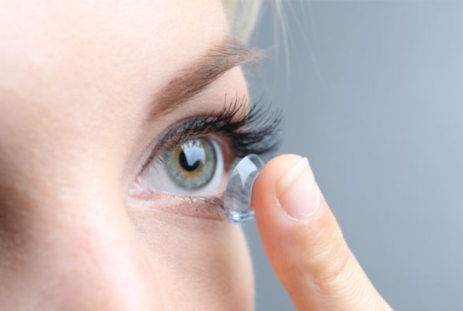
Diabetes technology moves forward with the creation of an LED contact lens that can diagnose diabetes and assists with the treatment of diabetic retinopathy. A research team from Pohung University of Science and Technology in South Korea has developed a smart light-emitting diode (LED) contact lens for diagnosis of diabetes and treatment of diabetic retinopathy.
The contact lens will not be able to do a real-time blood glucose check but the lens could offer treatment for retinopathy. There is a possible commercialization in the future in collaboration with PIH Biomed and Stanford University.
On the same note: Apple’s science department has also been working on a contact lens to check a blood glucose level in real-time. It is considered to be one of their “secret” research projects from 2017.
As is often the case, a fingerstick BG would be the standard for the most accurate glucose levels for now. The potential for future developments is exciting!
We will keep an “eye” out for future developments in this exciting field of diabetes research.
Read more at Verdict Medical Devices & CNBC.
Written by Catherine Cullinane RN, CDCES, our resident Tech Thursday Content Writer

Catherine has been a nurse for 30 plus years, and a Diabetes Educator for 20 years. Her passion is helping people empower themselves with behavioral change for optimal health. Type 1 diabetes management ( insulin pumps, CGMs, and new diabetes technology) is one of her major interests and focus.
Catherine has been a Program Coordinator for the American Diabetes Association’s Education Recognition Program in both Wyoming, and San Francisco, California. She has worked in out-patient clinics, collaborated with hospital in-patient diabetes management, and is a pump and CGM trainer.
She has traveled the world with her own insulin pump, and more recently a CGM. The latest and greatest in type 1 diabetes management continues to amaze her. Catherine loves to travel, rock climb, hike up mountains, read, cook and eat healthy foods.
Sign up for Diabetes Blog Bytes – we post one daily Blog Byte from Monday to Friday. And of course, Tuesday is our Question of the Week. It’s Informative and FREE! Sign up below!
[yikes-mailchimp form=”1″]A Tel Aviv University study found a starch-rich breakfast consumed early in the morning, coupled with a smaller low-carbohydrate dinner could decrease the need for injections and other medications for people with diabetes!

The body’s natural metabolism and biological clock are optimized for eating starches in the morning and fasting during the evening and night when the body recovers through sleep.
The study found eating 3 meals a day produced with the majority of starches in the early part of the day, promoted glucose balance and improved glycemic management for people living with type 2 diabetes. The results led researchers to believe it is possible for people with diabetes to significantly reduce or even stop injections of insulin as well as medications.
This study contrasts the recommendation for people with diabetes to eat 6 small meals throughout the day or “6M-diet”. Researchers found the 6M-diet has not been effective for glucose control.
“Their need for diabetic medication, especially for insulin doses, dipped substantially. Some were even able to stop using insulin altogether,” said Prof. Jakubowicz, lead author of the study.
The Tel Aviv study was inspired by the knowledge that insulin injections can lead to weight gain which further increases blood sugar, so their goal was to find alternatives. The biological clock diet (3M-diet) is designed to allow bread, fruits, and sweets in the early hours of the morning, a substantial lunch, then a small dinner specifically lacking starches, sweets, and fruits.
In the study, participants on the 6M-diet did not lose weight and did not experience any sugar level improvement. In contrast, the participants on the 3M-diet lost weight and substantially improved sugar levels.
Read more on MedicalXpress.
Sign up for Diabetes Blog Bytes – we post one daily Blog Byte from Monday to Friday. And of course, Tuesday is our Question of the Week. It’s Informative and FREE! Sign up below!
[yikes-mailchimp form=”1″]Our Diabetes Detective Team scans the diabetes news to discover the most relevant info that Diabetes Educators need in their daily practice. We post one daily Blog Byte from Monday to Friday. And of course, Tuesday is our Question of the Week. It’s Informative and FREE! Sign up below!
We’re updating our DiabetesEd Specialist Boot Camp throughout February and March. See full schedule here.
In each webinar, Coach Beverly highlights the critical content of each topic area, so you can focus your study time most efficiently. She also launches multiple poll questions to helps students focus on key concepts and assess their knowledge while learning the best test-taking strategies.
Sign up for Diabetes Blog Bytes – we post one daily Blog Byte from Monday to Friday. And of course, Tuesday is our Question of the Week. It’s Informative and FREE! Sign up below!
[yikes-mailchimp form=”1″]