Subscribe
eNewsletter

Ready to get certified?
Free CDCES Coach App

eNewsletter
Free CDCES Coach App

Our Diabetes Detective Team scans the diabetes news to discover the most relevant info that Diabetes Educators need in their daily practice. We post one daily Blog Byte from Monday to Friday. And of course, Tuesday is our Question of the Week. It’s Informative and FREE! Sign up below!

Earn 9 CEs online at your own pace, or join us as we go through all of Level 1 in January. See the full schedule here. Level 1 provides the critical information every Diabetes Care and Education Specialist should know. It’s the perfect refresher series and starting point when studying for the CDCES exam.
Sign up for Diabetes Blog Bytes – we post one daily Blog Byte from Monday to Friday. And of course, Tuesday is our Question of the Week. It’s Informative and FREE! Sign up below!
[yikes-mailchimp form=”1″]
Experts are meeting with congress to encourage investigation of the relationship of human exposure to perfluoroakyl and polyperfluoroakyl (PFAS) on weight and osteoporosis.
Early studies have shown a link between greater PFAS exposure and increased risk for endocrine outcomes like BMI >30, but more research is needed specifically to examine factors like exposure timing,” Abby Fleisch, MD, MPH
Read More here – Endocrine Today Article

These commonly found chemical PFA substances are endocrine disrupting chemicals and may be the driving factor responsible for a variety of adverse health outcomes.
PFAS are a large and expanding group of man-made compounds that are widely used to make everyday products more resistant to stains, grease and water, according to the NIH.
PFAS can be found in nonstick cookware, stain-resistant carpeting, to-go containers, cleaning products, drinking water, microwave popcorn, and even fire extinguisher foam. Toxic Free Future advises avoiding common packaged foods with grease repellent coatings (such as pizza and french fry boxes), avoid stain resistance treatments on furniture, and check personal care products for teflon, “fluoro” or “perfluoro.”
Toxic Free Future has created a fantastic educational flyer on PFAS, it’s sources, and easy alternatives:

For more tips on minimizing exposure to PFAS and what can be done about PFAS, you can visit Toxic Free Future’s website here. We also discuss PFAs in our recent FREE Webinar, Getting to the Gut. Click below to get started.
Sign up for Diabetes Blog Bytes – we post one daily Blog Byte from Monday to Friday. And of course, Tuesday is our Question of the Week. It’s Informative and FREE! Sign up below!
[yikes-mailchimp form=”1″]
For Question of the week, test takers usually choose the correct answer 70-80% of the time. However, for the question of the week on November 19, about 37% of respondents chose the correct answer.
So, we thought this would be a perfect opportunity for another answer rationale. We’ll explore this question and the best answer in more detail and throw in some test-taking tips along the way. Before we start though, if you don’t want any spoilers and haven’t tried the question yet, you can answer below:
Question of the week on November 19:
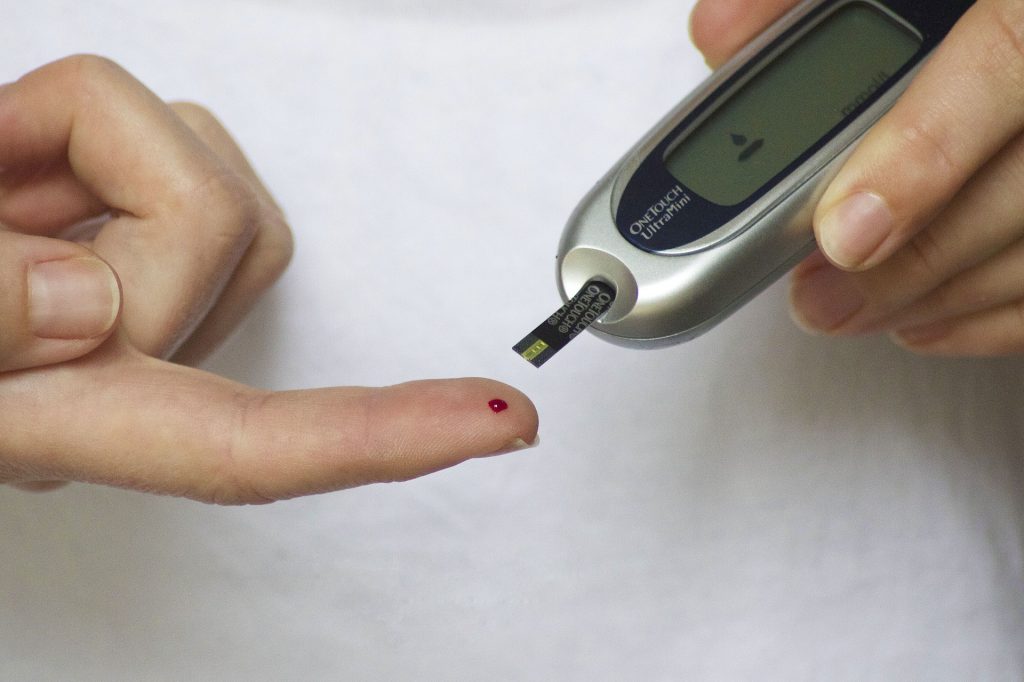
LS is a 21-year-old college student with new diabetes. LS arrives for an office visit and is very agitated explaining that they are checking their blood glucose at the same time on two different meters, but the results are always different. LS states, “How can I trust these readings?”. What is the educator’s best response?
Answer Choices:
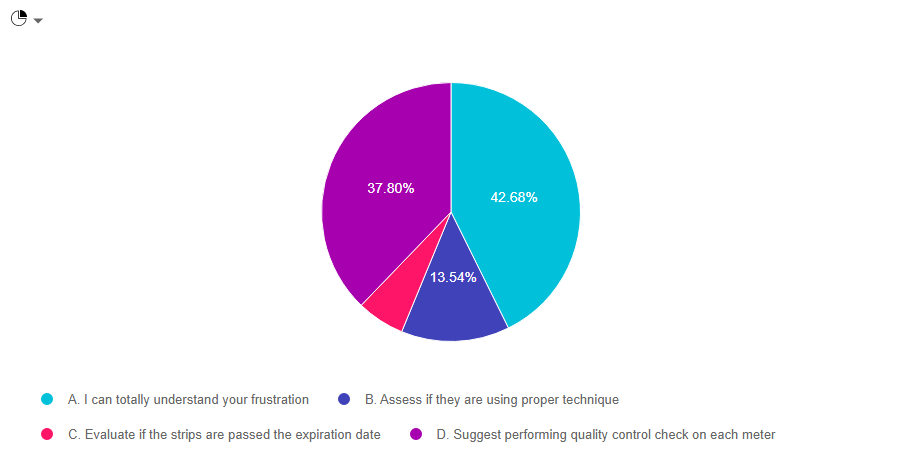
As shown above, the most common choice was option 1, the second most common answer was option 4, then option 2, and finally option 3.
Option 1 was the juicy answer: “I can totally understand your frustration” is a valid empathetic response, but not the best response in the scenario. If you follow our questions of the week closely, you’ll see a pattern of an empathetic response being the correct one, and if the scenario above ended with “LS arrives for an office visit and is very agitated” it may have been the right answer. However, LS goes on to ask how they can trust the readings. This question is calling for a practical response, which eliminates Option 1, since it acknowledges feelings but does not make steps forward beyond that to fix the situation.
Option 2 and Option 3 are both good answers, because they are steps someone could take to see if their glucose meter is giving accurate readings.
Option 4 is the best answer. This is because to perform quality control on each meter you would likely go through the steps mentioned in Option 2 and Option 3 as well as other assessments of the device (such as using control solution and comparing the meter result to the lab results).
Also, we discourage people from comparing meters, since one might read on the low end (while still being within the required accuracy range) and the other meter might read on the high end. Plus, it usually requires 2 different blood samples, which due to timing, can lead to different results.
The best way to evaluate meter accuracy is to compare the device to a lab draw and also review the MARD report. (See our blog on meter accuracy).
November 19’s question of the week was meant to test on best rather than correct answers.
We hope you appreciate this week’s rationale and keep studying hard! Thank you so much for taking the time to answer our Question of the Week and participate in this fun learning activity!
Sign up for Diabetes Blog Bytes – we post one daily Blog Byte from Monday to Friday. And of course, Tuesday is our Question of the Week. It’s Informative and FREE! Sign up below!
[yikes-mailchimp form=”1″]
Our Diabetes Detective Team scans the diabetes news to discover the most relevant info that Diabetes Educators need in their daily practice. We post one daily Blog Byte from Monday to Friday. And of course, Tuesday is our Question of the Week. It’s Informative and FREE! Sign up below!

Earn 7.5 CEs at Diabetes 2020: Getting to the Heart of Diabetes Care while getting critical clinical updates from Coach Beverly. Learn more below:
Sign up for Diabetes Blog Bytes – we post one daily Blog Byte from Monday to Friday. And of course, Tuesday is our Question of the Week. It’s Informative and FREE! Sign up below!
[yikes-mailchimp form=”1″]
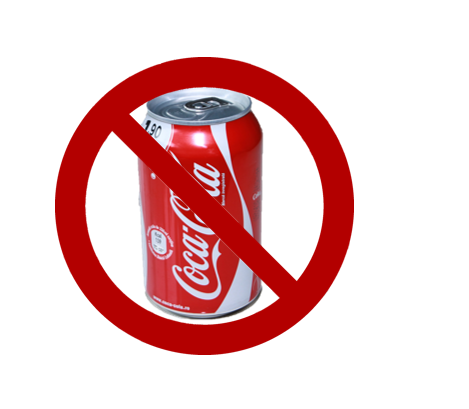
In a study conducted by University of California San Francisco’s (UCSF) Elissa Epel and colleagues, Epel wanted to evaluate the relationship between access to sugar-sweetened beverages (SSB) in the workplace and total daily consumption.
Epel and team banned the sale of all SSBs at UCSF for 10 months. Her team found that in employees deemed “frequent” SSB drinkers, consumption went down from 35 fluid ounces to a startling 17 oz.
Even though the employees still had access to SSBs outside of the campus, their consumption decreased significantly, highlighting the impact of eliminating access to SSBs in the work environment.
“This shows us that simply ending sales of sugary drinks in the workplace can have a meaningful effect on improving health in less than one year,” Epel said in a statement. “There is a well-known pathway from soda to disease. High sugar intake leads to abdominal fat and insulin resistance, which are known risk factors for diabetes, heart disease, cancer and even dementia. Recent studies have also linked sugar intake to early mortality.”
But this correlation was not enough for Epel. Before the ban went into effect, her team recruited 214 full-time employees who were self-reported “frequent” SSB drinkers. Epel and her team then randomly separated the employees into two groups: one group would receive a motivational intervention along with the SSB ban, while the other group wouldn’t receive any intervention. The motivational intervention included a 15-minute motivational session to begin and 5-minute calls one week, one month, and sixth months after the ban was put into effect.
The results were astounding; the participants in the intervention group consumed 25.4 oz less compared to the control group who only consumed 8.2 oz less.
Epel and her team had successfully proven a correlation between banning SSBs and consumption as well as a correlation between intervention and consumption. To read more about Epel’s study click here.
Sign up for Diabetes Blog Bytes – we post one daily Blog Byte from Monday to Friday. And of course, Tuesday is our Question of the Week. It’s Informative and FREE! Sign up below!
[yikes-mailchimp form=”1″]
Flu season is upon us! People with diabetes (type 1, type 2, or gestational), even when well-managed, are at high risk of serious flu complications, which can result in hospitalization and sometimes even death.
Many people are reluctant to get the flu shot. Help move them out of pre-contemplation to action with this informative and upbeat instructional video and song!

Is an educational and entertaining method to bring to light information about the Flu and the Flu Shot…through music!
“The Flu Shot Song” by Nurse Master Charlie, provides a general overview and the science behind why the flu vaccine works to prevent the flu; All while using the universal language of music!!!
This upbeat and informational video describes a quick history, along with transmission methods, differentiation, symptoms, prevention, diagnosis and treatment of the flu.
Nurse Master Charlie pictured at the CA AADE Meeting
Contact or follow Nurse Master Charlie
Instagram: Nurse Master Charlie
Facebook: Nurse Master Charlie
YouTube: Nurse Master Charlie
Twitter: Nurse Master Charlie
Email: [email protected]
Sign up for Diabetes Blog Bytes – we post one daily Blog Byte from Monday to Friday. And of course, Tuesday is our Question of the Week. It’s Informative and FREE! Sign up below!
[yikes-mailchimp form=”1″]
A new trial conducted by researchers at Macquarie University found a strong association between poor diet and depression. To conduct this trial, researchers split participants into two groups: one group ate a Mediterranean-style diet while the other control group continued to eat their usual diet.

They found that in the group that had changed their diet to eat healthier, depression levels decreased from moderate to non-depressed. The other group remained in the moderately depressed severity range.
“Highly processed foods increase inflammation,” researcher Heather Francis, a lecturer in clinical neuropsychology at Macquarie University in Sydney, Australia, told NPR via email. What’s more, “if we don’t consume enough nutrient-dense foods, then this can lead to insufficiencies in nutrients, which also increases inflammation,” she said.
The “healthy group” ate around six more servings of fruits and vegetables than the control group. They were also told to increase their intake of whole grains and healthy proteins and avoid processed foods.
NPR noted that this trial was not a stand alone. In 2017, one study found a link between eating a diet full of refined grains, red meat, and high-fat dairy products and depression.
Although there may be other factors affecting this data, such as the fact that there is no way to “blind” the participants (hence there’s the potential for placebo), this trial could be the first step to lower levels of depression. What this trial truly highlights is how much of one’s life can be affected by the food choices they make.
Read more on this study here.
Sign up for Diabetes Blog Bytes – we post one daily Blog Byte from Monday to Friday. And of course, Tuesday is our Question of the Week. It’s Informative and FREE! Sign up below!
[yikes-mailchimp form=”1″]
I was more than ready for the announcement to board my late-night plane for the long journey home. I had taught my Diabetes Seminar from 8am to 4pm, packed up my stuff, then plodded through two hours of traffic to Dulles Airport and was anxious to get back home to northern California.

Just as I was getting comfy in my airport seat, my feet propped up on my suitcase, cradling a cup of hot tea, a gentleman who could have doubled for Santa Claus, plopped down next to me and asked, “Were you here for business or pleasure?”
I explained that I had taught a seminar on diabetes for the health care professionals at a local hospital.
“I have diabetes, he said as he looked away, but I just got tired of taking my medications, so I stopped taking them.”
I took a sip of my tea and nodded.
He continued, “actually, since I stopped my medications, I have lost over ten pounds. I don’t think those medications work.”
I asked more questions about his self-care and barriers. He wondered if taking care of his diabetes really mattered.
I provided a passionate description of how important it was to keep working on his diabetes and at least continue taking his metformin. I encouraged him to try to monitor blood sugars a few times a week.
I described how elevated blood sugars can cause weight loss as the kidneys try to clear out extra sugar in the urine (he was experiencing polyuria) and that his blood might be looking thick and gooey like honey, slowing down his circulation.
I reassured him that metformin, in addition to helping to lower his blood sugars won’t harm his kidneys, can help lower cholesterol levels and may even have a cancer protective effect.
He got quiet for a few minutes and said,
“Well, maybe I could restart taking the metformin, I just hate taking all those pills.”
“Yeah, it is a lot, I replied. But it’s worth it, and you are worth it. You deserve to live the best life possible with your diabetes.”
When they called our group to board the plane, he patted my shoulder and nodded a thank you.
As a frequent traveler, dozens of complete strangers have opened up their hearts to me and told me stories about their struggles managing diabetes.
Each story touches me in a different way and reminds me of the complexity and permanence of living with a chronic condition.

I consider these stories sweet and fragile gifts. Gifts that make me a better and more compassionate educator.
As educators, people tell us their diabetes stories all the time, in clinics, hospitals and airports. A special thanks to all of you for your careful listening. You are providing a gift of invaluable hope for people living with diabetes.
This compassionate listening is making such a difference in so many people’s lives and I am sincerely grateful for each one of you!
Love, Coach Beverly
This story is from our December Newsletter. Click here to read previous issues or sign up for future newsletters.