Download

Free Med Pocket Cards

Question of the Week | Action needed to prevent heart failure?

Question of the Week Diabetes Education Services

Adults with diabetes are at increased risk for the development of asymptomatic or symptomatic heart failure.

According to the ADA 2025 Standards of care, what action is needed to facilitate prevention of heart failure?

  1. Recommend the DASH Diet.
  2. Measure natriuretic peptide (BNP or pro-BNP).
  3. Assess ankle circumference at each visit.
  4. Recommend echocardiography after age 55.

Want to learn more about this question?

Join us live on starting Feb. 6th- March 5th, 2025 for our

Level 3 

Diabetes Mastery & Cert Readiness

Ready for your certification exams? Our Level 3 course series is the final step in your exam prep, complementing our Level 1, 2, or 4 bundles. Designed for healthcare professionals preparing for diabetes certification exams in 3-6 months, this master-level series covers key topics like pharmacology, technology, MNT, and person-centered care, all based on the latest ADA Standards of Care.

Each course includes a video, podcast, practice test, and additional resources—available immediately for one full year. Boost your knowledge and confidence to succeed in your certification!

Common New Year Questions for CDCES Prep

“What Year ADA Standards Should I Study?” 

Given my seven-time experience taking the CDCES exam, I can say with complete conviction that being familiar with the American Diabetes Association (ADA) Standards of Care is one of the most important and essential strategies to prepare for exam success. More importantly, this evidence-based guidebook is crucial for providing the best clinical and person-centered care, with close attention to the Social Determinants of Health.

Taking CDCES in January or February 2025?

If you are taking the exam in January or February 2025 and you have already read the 2024 ADA Standards cover-to-cover, you are all set. It takes at least a year for the exam writers to include new questions culled from the ADA Standards. Having said that, if there are any critical new guidelines that impact clinical care, education, or treatment of diabetes, that content can be included in the exam that same year. From my review of the 2025 Standards, there are no critical new clinical guidelines that need immediate adoption into practice. One important caveat to consider: if you are relying on last year’s standards, make sure to read through the Summary of Revisions section included in the Standard of Care, so that you that latest information under your belt.

Taking the Exam in 2025 Sometime?

On the other hand, if you are taking the exam in 2025 and haven’t reviewed the ADA Standards in the past, I recommend a thorough review of the most recent ADA Standards. You can access the ADA Standards on our CDCES Coach App and the ADA Website at www.diabetes.org.

Short on Time? 

In case of emergency, there is a shorter version of the ADA Standards called the Abridged version for Primary Care Providers that highlights critical clinical content. The abridged version is usually released in February by the ADA. It can also be used as a quick review after you have read the document in full. Again, after successfully passing the exam seven times, my advice is to be familiar with the ADA Standards of Care in its entirety.

Study Strategies from Coach Beverly

  • Plan on reading one Standard a week, highlighting key content areas – you CAN do it!
  • Review the most challenging Standards several times to allow the content to sink in.
  • Provide a short in-service on an aspect of a Standard you found particularly difficult.
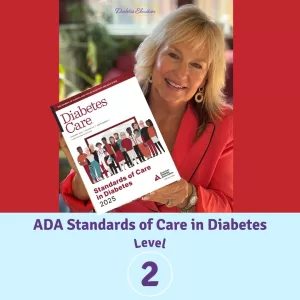
  • Join our Level 2 – ADA Standards 2025 Update and Online Series, where Coach Beverly breaks down the critical content to help you focus your limited study time.
  • Create old-fashioned flashcards and quiz yourself while walking.
  • Join our FREE Prep for CDCES Certification Webinars.

“What Counts Toward My 1000 Hours and How Can I Accumulate Hours?” 

If you are trying to accumulate practice hours, you may be wondering what counts toward the 1000 hours of Diabetes Self Management (DSME) Experience.

Below is an excerpt from the CBDCE Exam Handbook regarding what hours count towards this 1000-hour DSME requirement:

  • Assessment: The participant’s DCE needs are identified. This process is led by the participant with the assessment and support of the educator. 
  • Education and Care Plan: The participant’s individualized education and care plan is developed. The plan reflects the participant’s self-management goals and current evidence and practice guidelines and includes criteria for evaluating outcomes.
  • Interventions: The specialist delivers intervention options to assist the participant in meeting self-management goals. 
  • Ongoing Support: The specialist provides options for ongoing support and resources. The support option(s) is selected by the participant to best meet their self-management goals. 
  • Participant Progress: The specialist will monitor and communicate whether the participant is achieving their self-management goals and other outcome(s) to evaluate the effectiveness of interventions. Additional assessments are based on the participant’s needs across the lifespan. 
  • Documentation: The specialist documents the assessment, education plan, intervention, and outcomes in the participant’s health record. 
  • Services Development/Administration: Development and administrative activities performed as part of DSMES services.  

Is There a Tracker to Document My Hours? 

To help you keep track of your hours, we created the Diabetes Management Hours Tracker. The column “Remaining Hours Needed” is a formula that is tied to “Hours Completed” so be sure to only put numbers in the hour’s column so the formula automatically deducts those hours to get the remaining hours you need.  Make sure you let your supervisor know you are tracking your hours, since they will need to attest and verify DSME hours completed.

Tracking your activities and hours consistently is key and this Hours Tracker excel sheet can help you tally your hours, while working toward your goal of becoming a CDCES.

Work Experience Hours: How To Gain Hands-On Experience

 Meeting the 1,000-hour requirement for the Certified Diabetes Care and Education Specialist (CDCES) exam is achievable with a variety of approaches. The hours needed can include volunteer or paid hours. Below are some practical ways to accumulate hours if you are not able to accrue enough hours in your current work environment. 

  • Volunteer in Community Health Programs or Diabetes Camps
    • Offer your expertise to local diabetes prevention or management programs, such as YMCA’s Diabetes Prevention Program, Diabetes Camps, or similar initiatives.
  • Shadow a Diabetes Education Specialist in your Community
    • Search for already existing diabetes programs in your community and volunteer to help with their diabetes program. This might even evolve into a paid position in the future.
  • Join ADCES Local Networking Diabetes Groups
    • Networking with diabetes educators in your area can lead to opportunities to gain hours and possible future employment.
  • Join Diabetes Support Groups
    • Facilitate or assist with support groups in person or online to provide guidance and share educational resources.
  • Offer Educational Workshops or Webinars
    • Create and present workshops for people with diabetes or even train other healthcare professionals about aspects of diabetes management.
  • Collaborate with Pharmacies
    • Partner with local pharmacies to provide diabetes education to people picking up diabetes-related medications or supplies.
  • Participate in Health Screenings or Free Health Clinics
    • Assist with diabetes screenings, provide educational coaching at health fairs, or sign up to provide diabetes coaching at your local free clinic.
  • Support Long-Term Care Facilities
    • Offer diabetes-related education to staff and residents in long-term care or assisted living facilities.
  • Write or Develop Educational Content
    • If you’re skilled in writing, contribute to diabetes educational materials for local papers and websites. You can count the time spent on research and content development towards your hours.

    Resources to help Prepare for CDCES Exam

    Are you Interested in Starting a Mentorship Program?

    As part of our Bridge Program, Coach Beverly wants to support YOUR efforts to mentor a new generation of Diabetes Care and Education Specialists. If you are a mentor, we are offering significant discounts off of our Diabetes Boot Camp or Virtual 3 Day Program for groups of mentees who are practicing in underserved regions of our country.  Please email us for more information at [email protected]
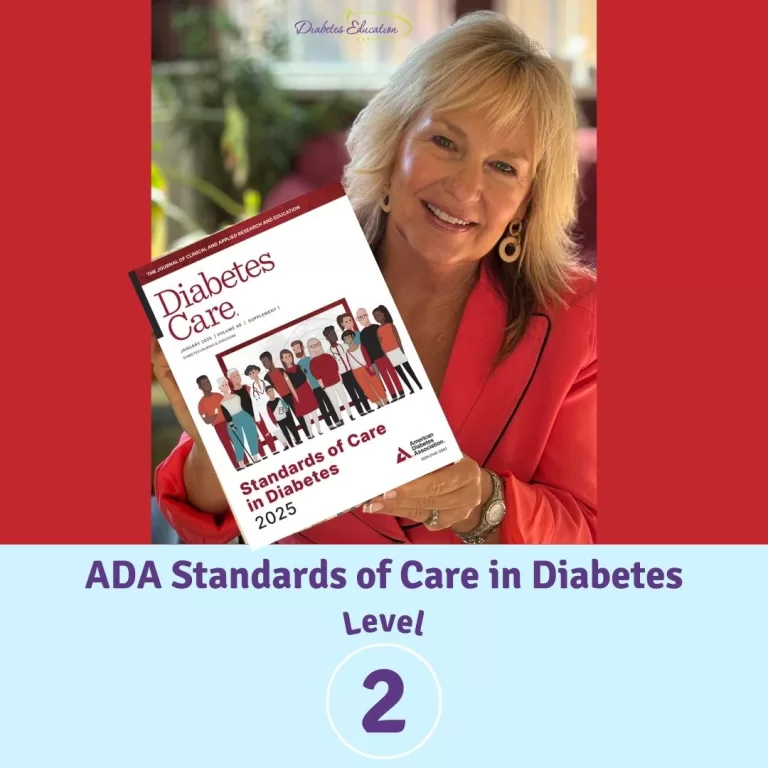


    The 2025 ADA Standards of Care are here!!

    This webinar provides a comprehensive breakdown of the ADA Standards of Care, focusing on essential content for clinical practice and exam success. 

    This webinar is designed for healthcare professionals aiming to deepen their understanding of the ADA Standards for improved practice or preparing for the BC-ADM or CDCES certification exams.

    From Certification to Clinical Impact: How Pharmacists Are Transforming Diabetes Care

    A Pharmacist’s Impact in Transforming Diabetes Care

    Pharmacists have a powerful role in diabetes care, and earning advanced certification like the CDCES or BC-ADM can deepen clinical impact and confidence.

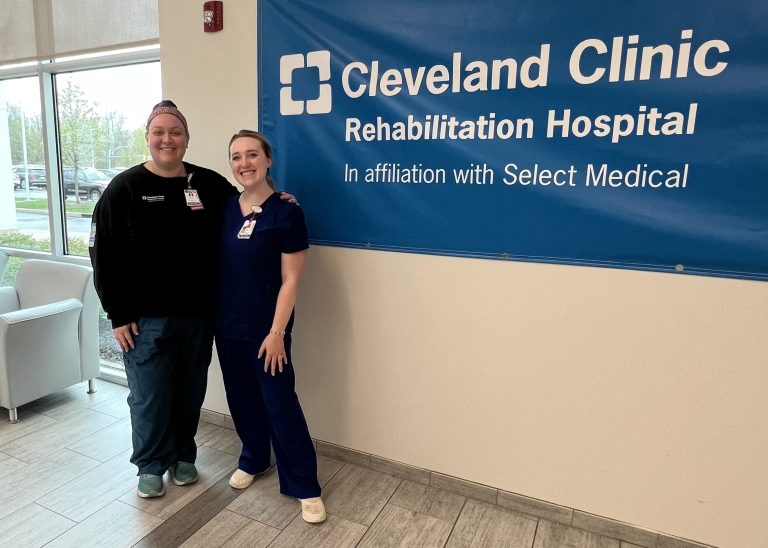
    Tyler Whitaker’s, Pharm.D., BC-ADM, CDCES, story below shows how certification transformed his practice and expanded the way he supports people living with diabetes.

    My original job description wasn’t directly related to diabetes management.​

    tylerCircle

    Tyler Whitaker,
    Pharm. D., BC-ADM, CDCES

    “I started in outpatient case management, doing medication review, education, and cost savings as a single-touch pharmacist while nurses handled the rest. But as our team became more proactive in diabetes care and CGM use increased, my role naturally expanded from being the ‘drug guy’ to helping with technology, interpretation, and ongoing support for patients.

    When other team members left, and the telephonic diabetes management program risked falling apart, I decided, best I could, to wear all the hats I could rather than let it collapse. Nearly two years later, it’s just myself and a consistent health coach managing adults in our health system who choose to engage with us. We’ve had great outcomes and so much attention that the health system is actively trying to duplicate the model and ‘have a Tyler in every office.’

    I did it because I wanted to show my value. Pharmacists are often told we need to ‘prove’ our worth since we don’t typically generate revenue, and being an expert in a specialty adds another layer. I’m actively putting in the work to give more than just drug facts. I want to help the whole disease state and the person at the center—not just manage medications and stop there. It’s comprehensive care, and certifications like CDCES and BC-ADM allow me to be comprehensive on multiple fronts.”

    -Tyler Whitaker, Pharm.D., BC-ADM, CDCES

    Advance Your Expertise, Elevate Your Impact, Lead in Diabetes Care:

    Why Diabetes Certification Matters

    As a pharmacist, your role in diabetes management has never been more essential — or more influential.

    You interpret complex medication regimens. You support technology integration. You build trust with patients navigating lifelong disease management.

    Now is the time to formalize that expertise!

    Earning advanced diabetes certification isn’t simply about credentials — it’s about expanding your clinical authority, strengthening your voice within interdisciplinary teams, and positioning yourself as a leader in evidence-based care.

    Welcome to the next step in your professional evolution!

    Advanced credentials such as CDCES (Certified Diabetes Care and Education Specialist) and BC-ADM (Board Certified–Advanced Diabetes Management) signals in-depth expertise, clinical excellence, and commitment to comprehensive care.

    For pharmacists, certification can:

    • Strengthen your leadership role on interdisciplinary care teams

    • Expand your scope in technology, interpretation, and patient-centered decision-making

    • Increase professional credibility with providers, administrators, and patients

    • Elevate confidence in complex diabetes management

    • Differentiate you in competitive clinical and health-system environments

    Most importantly, certification equips you to care for the whole person — not just the prescription.

    Hear More From Our Community

    Get Started Today!

    With Our Upcoming Webinars & CE Courses

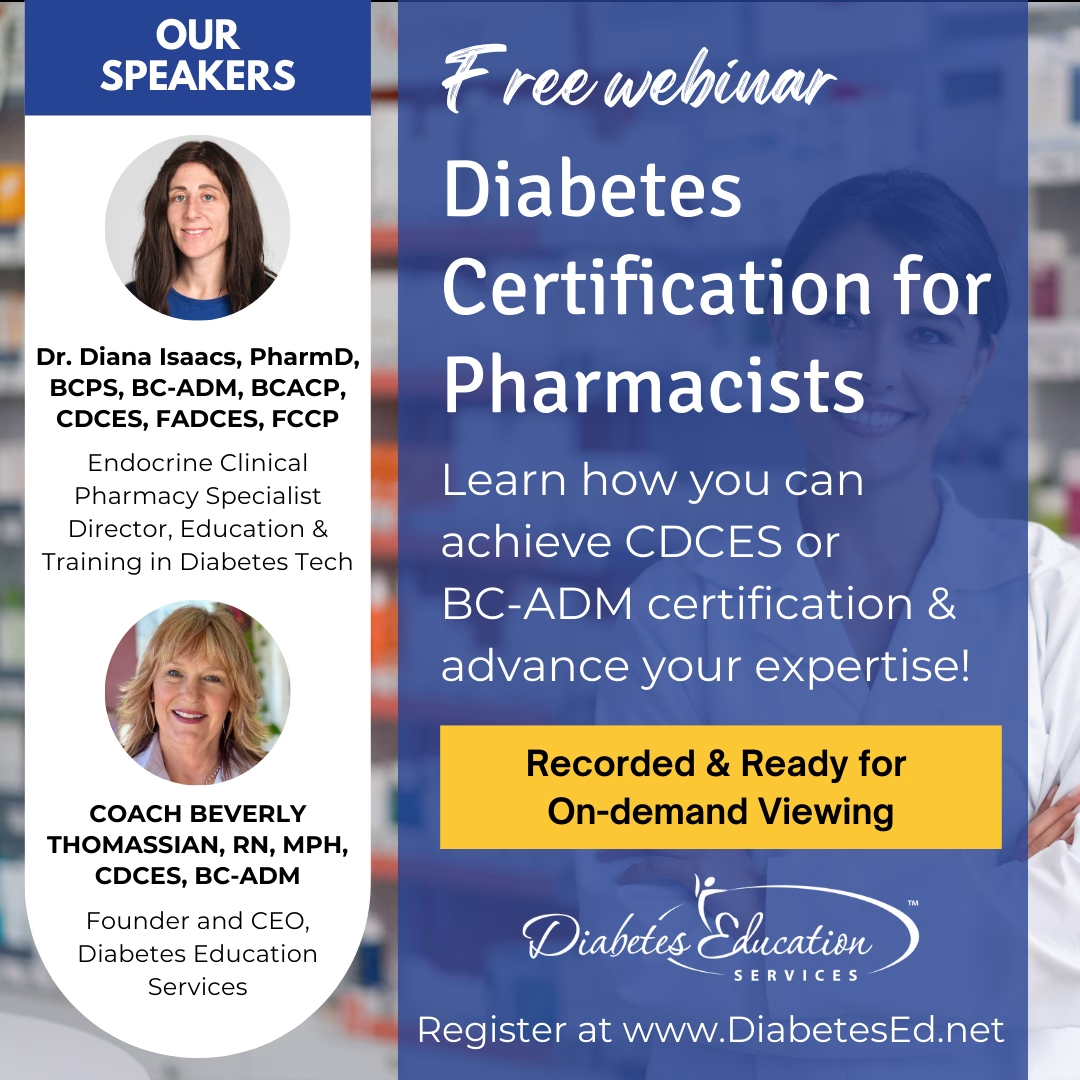
    Diabetes Certification for Pharmacists:

    A Step-by-Step FREE Webinar

    Join this FREE, pharmacist-focused webinar Co-led by Dr. Diana Isaacs, PharmD, BCPS, BC-ADM, BCACP, CDCES, FADCES, FCCP, Endocrinology Clinical Pharmacy Specialist and Coach Beverly Thomassian, RN, MPH, CDCES, BC-ADM.

    What You’ll Gain By Attending:

    • A clear comparison of CDCES vs. BC-ADM and which pathway fits your role and goals
    • Step-by-step guidance on eligibility, hours, application, and exam prep
    • Strategies to build confidence in diabetes care and evidence-based decision-making
    • Insight into how certification can expand your scope, leadership, and career options
    • A behind-the-scenes look at how our resources and online university supports pharmacists from start to certification

    Pharmacists are essential leaders in diabetes care, and advanced certification can expand your clinical impact, professional confidence, and career opportunities. 

    Learn More About Our Speakers

    Dr. Diana Isaacs and Coach Beverly Thomassian

    Dr. Diana Isaacs,
    PharmD, BCPS, BC-ADM, BCACP, CDCES, FADCES, FCCP, Endocrinology Clinical Pharmacy Specialist

    Dr. Diana Isaacs, PharmD, BCPS, BC-ADM, BCACP, CDCES, FADCES, FCCP is an Endocrinology Clinical Pharmacy Specialist. She serves as the Co-Director of Endocrine Disorders in Pregnancy and the Director of Education and Training in Diabetes Technology at the Cleveland Clinic Endocrinology and Metabolism Institute. 

    Dr. Isaacs holds board certifications in pharmacotherapy, ambulatory care, and advanced diabetes management. She served on the American Diabetes Association (ADA) Professional Practice Committee from 2020-2023, the committee that updates the ADA Standards of Care. She also was the ADA Communications Director for the Pregnancy and Reproductive Health Interest Group from 2018-2022. She has been actively involved with the American Association of Clinical Endocrinology (AACE) and currently serves on the leadership of the Diabetes Disease State Network.”

    Coach Beverly Thomassian,
    RN, MPH, BC-ADM, CDCES

    Coach Beverly is a nationally recognized diabetes nurse specialist, mentor, and author whose work bridges science, storytelling, and soul. With decades of experience, she is a passionate advocate for person-centered, inclusive care.

    As founder of Diabetes Education Services™, Beverly has trained thousands of clinicians to achieve diabetes certification while championing a compassionate approach to healthcare. 

    As a diabetes coach, she promotes excellence in care through her live courses and webinar presentations. As a Diabetes Nurse Specialist who is Board Certified in Advanced Diabetes Management, Beverly has a twenty-year history of being an innovator, leader, and mentor.

    CDCES & BC-ADM Exam Prep Boot Camp Bundles

    Prepare with Purpose. Succeed with Confidence.

    Basic & e-Deluxe CDCES Boot Camp Bundle includes:

    • Levels 1, 2, and 3 of our Online University
    • 30+ expert-led courses
    • 50 CE/CPEUs
    • 400+ online practice questions
    • Handouts, podcast, video and one year access—all in one streamlined platform.

    Our CDCES Boot Camp Online Prep Bundle is a comprehensive, high-impact program built specifically for healthcare professionals preparing for the Certified Diabetes Care and Education Specialist (CDCES) exam.

    ✔ Earn CE/CPE credit through AMA PRA Category 1 Credits™, ACPE, ANCC, and CDR. For more information on accreditation, visit the registration page on our Online Store and click the “Accreditation” tab.

    ✔ Learn at your pace with expert-led, exam-focused content

    ✔ Everything you need—organized, practical, and in one place

    ✔ Perfect for self-directed learners who want complete, person-centered content for clinical practice and exam prep.

    ✔ Build knowledge, sharpen test-taking skills, and prepare with confidence—on your schedule.

    Focused. Flexible. Proven.

    Our comprehensive BC-ADM Online Study Programs are specifically designed for healthcare professionals who are studying for the Board Certified in Advanced Diabetes Management (BC-ADM) exam.

    ✔ Earn CE/CPE credit through AMA PRA Category 1 Credits™, ACPE, ANCC, and CDR. For more information on accreditation, visit the registration page on our Online Store and click the “Accreditation” tab.

    ✔ Learn at your pace with expert-led, exam-focused content

    ✔ Everything you need—organized, practical, and in one place

    ✔ Perfect for self-directed learners who want complete, person-centered content for clinical practice and exam prep.

    ✔ Build knowledge, sharpen test-taking skills, and prepare with confidence—on your schedule.

    Focused. Flexible. Proven.

    Basic & e-Deluxe BC-ADM Boot Camp Bundle include:

    • Levels 2, 3, and 4 of our Online University
    • 30+ expert-led courses
    • 50 CE/CPEUs
    • 400+ online practice questions
    • Handouts, podcast, video and one year access—all in one streamlined platform.

    Let it FLOW – Semaglutide Approved for Renal Protection

    FDA Expands Ozempic Approval to Protect Kidney (and Heart) Health in People with Type 2 Diabetes and Chronic Kidney Disease 

    Last month, the U.S. Food and Drug Administration (FDA) approved Ozempic (semaglutide) to reduce the risk of worsening kidney disease, kidney failure, and cardiovascular-related death in adults with type 2 diabetes and chronic kidney disease (CKD). This decision was based on results from the FLOW phase 3 clinical trial.

    This expanded approval represents a major advancement for people managing both conditions, offering an additional tool to protect kidney function and heart health.

    The Link Between Chronic Kidney Disease and Diabetes

    Chronic kidney disease (CKD) is a serious and prevalent condition affecting about 30% of people living with diabetes. CKD can progress over time, potentially leading to kidney failure that requires dialysis or a transplant. Additionally, individuals with both CKD and diabetes face an elevated risk of cardiovascular complications, including heart attacks and strokes.

    How Ozempic Benefits Individuals with Diabetes and CKD

    Semaglutide (Ozempic) is a commonly used GLP-1, that not only lowers blood glucose levels and body weight, it has also been proven to reduce the risk of major cardiovascular events in adults with type 2 diabetes.

    Now, with this latest FDA approval, semaglutide is also recognized for its ability to slow kidney disease progression and lower the risk of kidney failure and cardiovascular-related deaths in people with type 2 diabetes and CKD.

    The Science Behind the Approval: FLOW Trial Results

    The FDA’s decision was based on the FLOW phase 3b kidney outcomes trial, which involved 3,533 adults with type 2 diabetes and CKD. The study compared the effects of once-weekly semaglutide 1.0 mg injections versus a placebo. Findings revealed a 24% reduction in the risk of kidney disease worsening, kidney failure, and cardiovascular death in participants receiving semaglutide. Due to the overwhelming efficacy, the trial was stopped early after meeting its pre-specified criteria.

    Expert Insights

    Dr. Richard E. Pratley, Medical Director at the AdventHealth Diabetes Institute in Orlando, FL, and Co-Chair of the FLOW Trial, emphasized the significance of this approval:

    “Managing type 2 diabetes is already challenging, and chronic kidney disease adds another layer of complexity. In my practice, I see many patients with serious kidney complications—some requiring dialysis. The FDA’s decision provides new hope and an additional treatment option that can make a meaningful difference in protecting kidney function and cardiovascular health.”

    What This Means for Individuals with Diabetes and CKD

    For individuals living with both type 2 diabetes and CKD, semaglutide offers a new treatment option to help preserve kidney function and lower the risk of life-threatening cardiovascular events. Effectively managing both conditions can improve long-term health outcomes and quality of life.

    If you are working with individuals with type 2 diabetes and CKD, initiating semaglutide early in the treatment plan can not only protect kidney health but also decrease the risk of worsening kidney function, further improving outcomes.

    Conclusion

    The FDA’s expanded approval of Ozempic marks a crucial milestone for people with type 2 diabetes and CKD. With strong clinical trial evidence supporting its effectiveness, this treatment provides renewed hope for those at risk of worsening kidney disease and cardiovascular complications. 

    See our Medication PocketCards for more information.

    NEJM Article: Effects of Semaglutide on Chronic Kidney Disease in Patients with Type 2 Diabetes


    Ignite your passion & prepare for Diabetes Certification!​

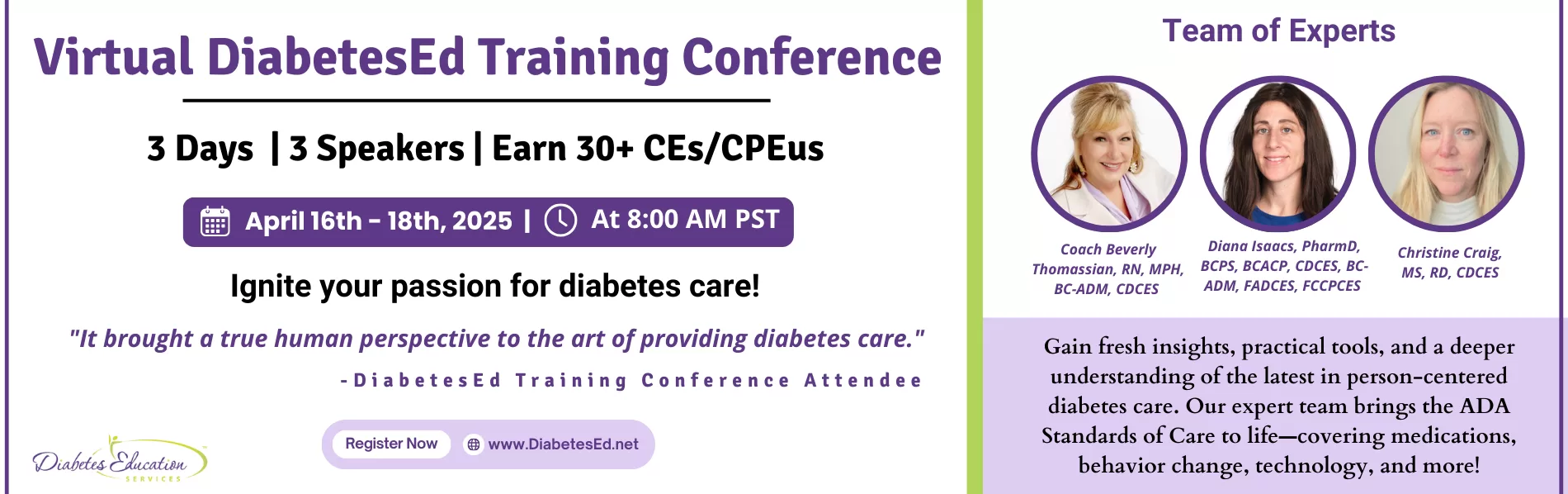
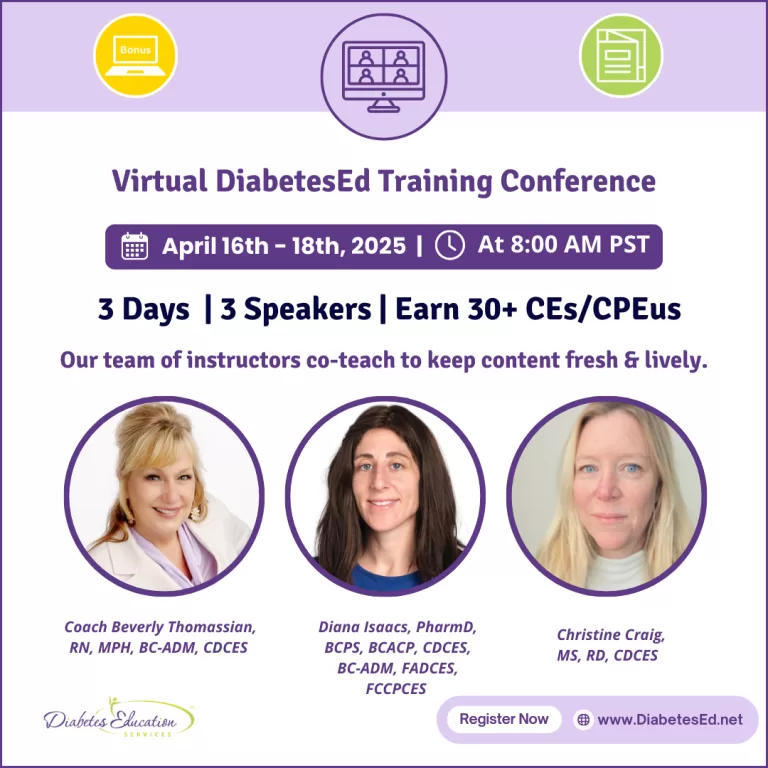
    Join our Expert Team at our dynamic Virtual DiabetesEd Training Conference April 16-18th, 2025

    Gain fresh insights, practical tools, and a deeper understanding of the latest in person-centered diabetes care. Our expert team brings the ADA Standards of Care to life—covering medications, behavior change, technology, and more! If you’re preparing for the CDCES or BC-ADM exam, this conference—paired with free bonus courses—serves as the ideal study companion!

    With interactive co-teaching, we keep sessions engaging, relevant, and fun. Let’s learn and grow together!

    Our expert team transforms complex diabetes science into clear, practical insights—keeping it real, engaging, and fun! The faculty includes:

    • Diana Isaacs, PharmD, BCPS, BC-ADM, BCACP, CDCES
    • Coach Beverly Thomassian, RN, MPH, CDCES, BC-ADM
    • Christine Craig, MS, RD, CDCES
    Registration Fee includes:
    • 3 Days: of critical information delivered by passionate speakers in an engaging and fun format!
    • 11 Bonus Online Courses: As a course attendee, you automatically receive a bonus online course bundle of 11 online courses valued at over

    Rationale of the Week | What defines overbasalization according to 2025 ADA Standards?

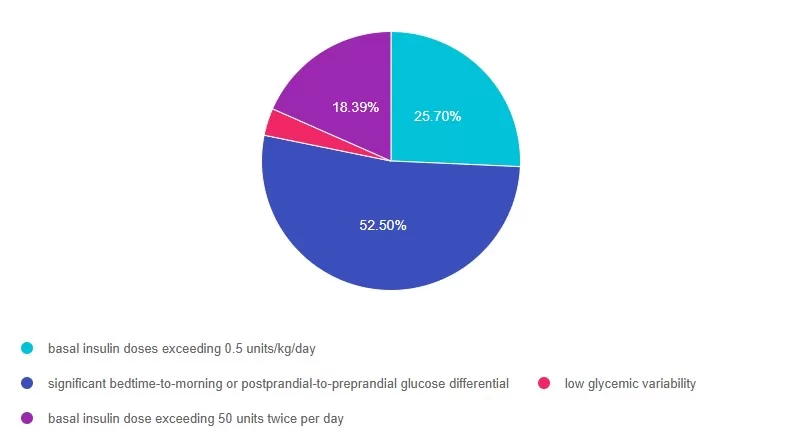
    For last week’s practice question, we quizzed participants on what defines overbasalization according to 2025 ADA Standards?. 52% of respondents chose the best answer. We want to clarify and share this important information, so you can pass it on to people living with diabetes and your colleagues, plus prepare for exam success!

    Before we start though, if you don’t want any spoilers and haven’t tried the question yet, you can answer it below: Answer Question 

    Lightbulb and text: Rationale of the Week

    Question: 

    What defines overbasalization according to 2025 ADA Standards?

    According to the new 2025 ADA Standards of Care, which of the following most accurately reflects overbasalization?

    Answer Choices:

    1. basal insulin doses exceeding 0.5 units/kg/day
    2. significant bedtime-to-morning or postprandial-to-preprandial glucose differential
    3. low glycemic variability
    4. basal insulin dose exceeding 50 units twice per day

    Getting to the Best Answer

    If you are thinking about taking the certification exam, this practice test question will set you up for success. Test writers anticipate possible answers based on the details in the question. They will wave those “juicy answers” right under your nose. Your job is to weed through the particulars, pluck out the most important elements and choose the BEST answer.

    Answer 1 is incorrect. 25% chose this answer: basal insulin doses exceeding 0.5 units/kg/day. This year, the ADA Recommendation was revised to remove consideration of basal insulin doses exceeding 0.5 units/kg/day as evidence of overbasalization. Instead, signs of overbasalization including significant bedtime-to-morning or postprandial-to-preprandial glucose differential, occurrences of hypoglycemia (aware or unaware), and high glycemic variability should be used.

    Answer 2 is correct. 52% of you chose this answer: significant bedtime-to-morning or postprandial-to-preprandial glucose differential.  GREAT JOB!  In the 2025 ADA Standards (9), they define overbasalization as significant bedtime-to-morning or postprandial-to-preprandial glucose differential, occurrences of hypoglycemia (aware or unaware), and high glycemic variability.

    Answer 3 is incorrect. About 18% of respondents chose this: low glycemic variability, This is a juicy and tempting answer. However, high glycemic variability (lots of ups and downs) is more closely associated with hypoglycemia.

    Finally, Answer 4 is incorrect 3% chose this answer: basal insulin dose exceeding 50 units twice per day. Overbasalization is not defined by the amount of insulin used, but by the glucose response including significant bedtime-to-morning or postprandial-to-preprandial glucose differential, occurrences of hypoglycemia (aware or unaware), and high glycemic variability

    We hope you appreciate this week’s rationale! Thank you so much for taking the time to answer our Question of the Week and participate in this fun learning activity!

    Want to learn more about this question?

    Enroll in our Level 3 

    Diabetes Mastery & Cert Readiness

    Ready for your certification exams? Our Level 3 course series is the final step in your exam prep, complementing our Level 1, 2, or 4 bundles. Designed for healthcare professionals preparing for diabetes certification exams in 3-6 months, this master-level series covers key topics like pharmacology, technology, MNT, and person-centered care, all based on the latest ADA Standards of Care.

    Each course includes a video, podcast, practice test, and additional resources—available immediately for one full year. Boost your knowledge and confidence to succeed in your certification!

    Diabetes Mentorship Program Kicks-Off in Northern Cal

    Dignity Health Mercy Medical Center Redding Steps Up with a Diabetes Mentorship Program!

    We are thrilled to announce the launch of the Diabetes Mentorship Program at Mercy Medical Center in Redding, designed to support and guide the next generation of diabetes educators. This unique opportunity is tailored for eight motivated mentees who are eager to gain hands-on experience in diabetes care, all while learning from Janelle Revnak, MS, RDN, CDCES, an experienced diabetes care and education specialist, with 10 years practicing as an RDN and 5 years as a CDCES. Janelle is passionate about sharing her expertise with the next generation of diabetes professionals. Her extensive background in both outpatient and inpatient diabetes education will ensure that mentees receive comprehensive training and valuable insights into the world of diabetes care.  

    Over the course of the program, mentees will attend monthly educational sessions led by Janelle, coupled with didactic learning sessions and job shadowing, providing an immersive experience in the inpatient setting. As part of our mentoring partnership, the trainees will also have access to our Diabetes Boot Camp series. Janelle decided to start this program after realizing that the need for diabetes education in her rural community was larger than what one person could realistically deliver. She reached out and identified colleagues in her hospital who were interested upping their diabetes knowledge and improving care.

    “I alone cannot change the world, but I can cast a stone across the waters to create many ripples.” – Mother Teresa

    Increasing Demand for Diabetes Care and Education Specialists

    As the number of people living with diabetes continues to rise, the demand for skilled diabetes educators is paramount. According to the latest CDC Data, the prevalence of diabetes has increased dramatically over the past decade, with more than 37 million Americans now living with diabetes—an increase of nearly 30% over the past 10 years. This growing population needs more than just medical care; they require specialized education and support to effectively manage their condition. Current diabetes care and education specialists (DCES) are uniquely positioned to assist in equipping future professionals with the knowledge and experience needed to meet the needs of this expanding patient population.

    The mentorship program will be held once a month and is designed to create a balanced approach to learning. Mentees will dive deep into didactic topics, such as advanced diabetes management, behavior change strategies, and innovative approaches to diabetes care. In addition to classroom-style learning, they will have the opportunity to job-shadow Janelle, gaining firsthand experience in how diabetes education is applied in real-world inpatient clinical settings. This combination of theory and practice ensures mentees are well-equipped to make an impact in the field.

    Participants will also have the chance to engage with a wide range of diabetes-related cases during their job shadowing. From inpatient diabetes clinical management to individualized patient education, they will develop a well-rounded understanding of the crucial role diabetes educators play in improving care outcomes while helping individuals feel emotionally supported through this challenging disease. This hands-on approach allows for active learning and real-time feedback, which is vital for shaping confident and competent DCES.

    The mentorship program is not just about learning—it’s about making connections, fostering growth and building a community of passionate diabetes care professionals. We are excited to offer this incredible opportunity to those who are committed to advancing their skills and knowledge in diabetes education. Together, we can make a real difference in the lives of those living with diabetes. In the spirit of Mother Teresa, it is not one person alone that can impact the growing population affected by diabetes, but working together, we can achieve meaningful change.

    If you have questions, you can reach Janelle at [email protected].  


    Are you Interested in Starting a Mentorship Program?

    As part of our Bridge Program, Coach Beverly wants to support YOUR efforts to mentor a new generation of Diabetes Care and Education Specialists. If you are a mentor, we are offering significant discounts off of our Diabetes Boot Camp or Virtual 3 Day Program for groups of mentees who are practicing in underserved regions of our country.  Please email us for more information at [email protected]

    Want more expert insights & hands-on learning?           

    A perfect program for healthcare professionals entering the field of diabetes!

    Join us for our 2025 Virtual Conference!!!

    🎉 Join Our Virtual DiabetesEd Training Conference! 🎉

    🗓️ Date:April 16th-18th, 2025
    Time: 8:00am PST

    Get ready for 2.5 days of engaging sessions on the latest in person-centered diabetes care, covering ADA Standards, medications, technology, and more! Learn from Diana Isaacs, Coach Beverly, and other experts.

    💡 Can’t attend live? Access recordings, podcasts, and resources for 1 full year.

    🎉 Special Offer: Register 3 or more and save $50 each!

    Register now and take your diabetes expertise to the next level!

    Question of the Week | ADA 2025: Intensive Prevention for High-Risk Individuals with BMI >35 kg/m2

    Question of the Week Diabetes Education Services

    According to ADA 2025 Standards, more intensive preventive approaches should be considered in individuals who are at particularly high risk of progression to diabetes, including individuals with BMI ≥35 kg/m2 who:

    1. Sit more than eight hours a day and have a sedentary lifestyle.
    2. Have a history of thyroid or celiac disease.
    3. Consume a diet with high amounts of simple carbohydrates.
    4. Have fasting plasma glucose of 110–125 or A1C ≥6.0%.

    Want to learn more about this question?

    Enroll in our Standards of Care Course

    This is our most popular course of the year, offering the perfect opportunity to immerse yourself in the essential content featured in this comprehensive 300-page clinical guidebook.

    “As always, Bev delivers comprehensive human-centered material to make me a better educator and leader.“- DiabetesEd Student 

    We hope to see you there!

    Rationale of the Week | ADA Standards identify another 1st Line med to treat kidney disease. Which one?

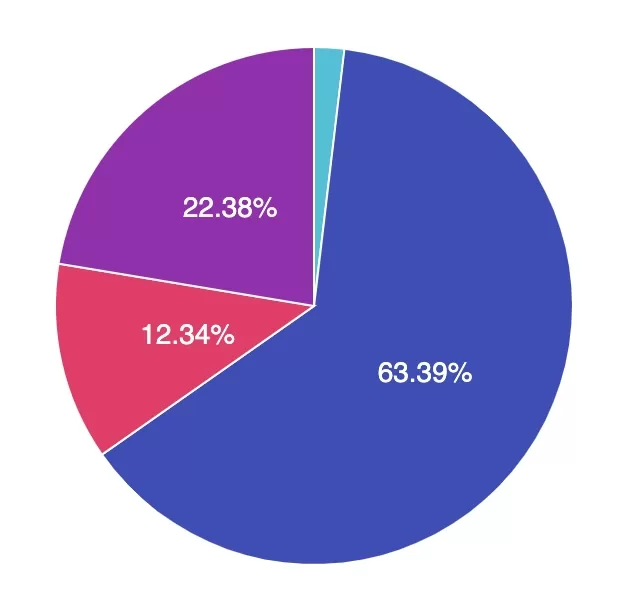
    For last week’s practice question, we quizzed participants on ADA Standards identify another 1st line med to treat kidney disease. 63.39% of respondents chose the best answer. We want to clarify and share this important information, so you can pass it on to people living with diabetes and your colleagues, plus prepare for exam success!

    Before we start though, if you don’t want any spoilers and haven’t tried the question yet, you can answer it below: Answer Question 

    Lightbulb and text: Rationale of the Week

    Question: 

    According to the ADA 2025 Standards, new clinical trials suggest that another diabetes medication (besides SGLT-2i) can be used as a first line agent to treat chronic kidney disease. 

    Which of the folowing diabetes meds is effective as a first-line agent for people with CKD?

    Answer Choices:

    1. Afrezza inhaled insulin
    2. Semaglutize (Ozempic)
    3. Amylin (Pramlintide)
    4. Sitagliptin (Januvia)

    Getting to the Best Answer

    If you are thinking about taking the certification exam, this practice test question will set you up for success. Test writers anticipate possible answers based on the details in the question. They will wave those “juicy answers” right under your nose. Your job is to weed through the particulars, pluck out the most important elements and choose the BEST answer.

    Answer 1 is incorrect.  2% chose the answer, Afrezza inhaled insulin. Insulin helps lower blood glucose levels, which contributes to improved overall vessel health. However, there are currently no specific studies supporting the use of Afrezza as a first-line treatment strategy for managing chronic kidney disease.

    Answer 2 is correct. 63.39% of you chose this answer the best answer, semaglutide (Ozempic). GREAT JOB!  According to the 2025 ADA Standards, “a recent clinical trial suggests that the GLP-1 RA semaglutide has a beneficial effect on CVD, mortality, and kidney outcomes among people with Chronic Kidney Disease (CKD), leading to the recommendation that semaglutide can be used as another first-line agent for people with CKD.”

    Answer 3 is incorrect. About 12.34% of respondents chose Amylin (Pramlintide). Amylin is an injected hormone mimetic that helps lower blood glucose levels. However, there are currently no specific studies supporting the use of Amylin as a first-line treatment strategy for managing chronic kidney disease.

    Finally, Answer 4 is incorrect. 22.38% chose this answer, Sitagliptin (Januvia). Sitagliptin helps lower A1C levels by 0.5-0.7%.  However, there are currently no specific studies supporting the use of sitagliptin as a first-line treatment strategy for managing chronic kidney disease.

    We hope you appreciate this week’s rationale! Thank you so much for taking the time to answer our Question of the Week and participate in this fun learning activity!

    Want to learn more about this question?

    Enroll in our Standards of Care Course

    This is our most popular course of the year, offering the perfect opportunity to immerse yourself in the essential content featured in this comprehensive 300-page clinical guidebook.

    “As always, Bev delivers comprehensive human-centered material to make me a better educator and leader.“- DiabetesEd Student 

    We hope to see you there!