Subscribe
eNewsletter

Ready to get certified?
Free CDCES Coach App

eNewsletter
Free CDCES Coach App
Free Med Pocket Cards
For last week’s practice question, we quizzed participants on how much protein is recommended. 73% of respondents chose the best answer. We want to clarify and share this important information, so you can pass it on to people living with diabetes and your colleagues, plus prepare for exam success!
Before we start though, if you don’t want any spoilers and haven’t tried the question yet, you can answer it by clicking here.

AR is a 63-year-old with type 1 diabetes and mild hypertension. Their GFR is 41 mL/min/1.73m² and UACR is 312 mg/g and their BMI is 24. The provider asks you to instruct AR on a low-protein diet, since AR is in stage 3 CKD. What is your best response?

Answer A is incorrect. 16.88% chose this answer, “Agree to provide education for AR low protein (0.6 -0.8 g/kg/day) to slow kidney disease progression.” This answer is incorrect. Very low-protein diets (<0.6 g/kg/day) have not consistently shown additional renal benefit and may increase the risk of malnutrition, sarcopenia, and frailty, especially in older adults like AR (age 63).
Answer B is correct. 73.05% of you chose this answer, “Reframe and suggest protein intake of about 0.8 g/kg/day as supported by ADA guidelines.” This answer is correct. GREAT Job! People with stage 3 CKD need adequate plant-based or animal protein intake to maintain muscle mass and optimize health and well-being.
Answer C is incorrect. About 2.52% of respondents chose this: “Suggest AR eliminates most protein sources and focus primarily on fiber, carbohydrates and fats.” This answer is incorrect. Since people with diabetes need to consume adequate amounts of either plant-based on animal protein (~0.8 g/kg/day) to maintain muscle mass and optimize health.
Finally, Answer D is incorrect. 7.56% chose this answer, “Reinforce that a protein intake of 1.3 g/kg/day is warranted to prevent sarcopenia and maintain muscle mass.” This answer is incorrect. Higher protein intake (>1.3 g/kg/day) may increase intraglomerular pressure and albuminuria, potentially accelerating kidney decline.
We hope you appreciate this week’s rationale! Thank you so much for taking the time to answer our Question of the Week and participate in this fun learning activity!
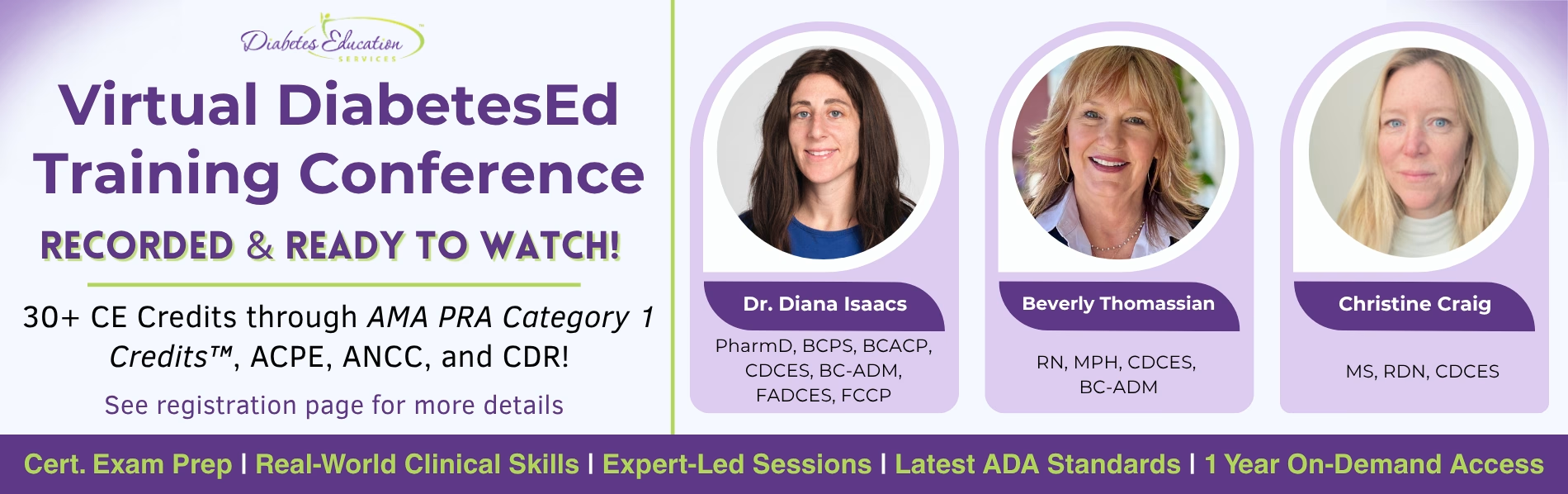
Join national experts including Dr. Diana Isaacs (Cleveland Clinic), Beverly Thomassian (30+ years of experience), and Christine Craig for high-impact, virtual learning—no travel required.
✔ Learn from National Experts — Anywhere
Get the same expert-level instruction you’d receive in person, delivered live to your home or office.
✔ Interactive & Flexible
Get exam-ready with confidence.
Course credits through AMA PRA Category 1 Credits™, ACPE, ANCC, and CDR!
Full accreditation details are available on the registration page

Our CDCES Boot Camp Online Prep Bundle is a comprehensive, high-impact program built specifically for healthcare professionals preparing for the Certified Diabetes Care and Education Specialist (CDCES) exam who want to level up their clinical knowledge and skills.

This evidence-based study bundle is a comprehensive BC-ADM Boot Camp designed for advanced-level healthcare professionals preparing for the Board Certified in Advanced Diabetes Management (BC-ADM) exam and will also provide you with state-of-the-art information to level up your clinical practice.
Cardiovascular disease remains the leading cause of mortality in individuals with both type 1 and type 2 diabetes, emphasizing the importance of risk reduction.
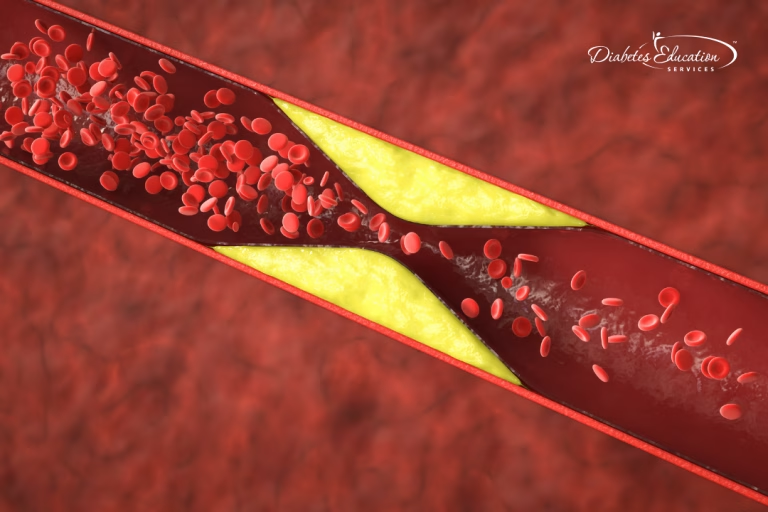
The current Standards of Care in Diabetes from the American Diabetes Association (ADA) recommend comprehensive risk reduction through screening, pharmacologic therapy to achieve individualized blood pressure and lipid goals, and lifestyle interventions focused on diet and physical activity.
The 2026 Dyslipidemia Guideline from the American College of Cardiology and the American Heart Association (ACC/AHA), together with guidance from multiple professional societies, provides updated recommendations for assessing cardiovascular risk assessment and treatment.
Both guidelines emphasize the importance of screening (with new additions within the ACC/AHA guidelines), pharmacologic treatment for primary and secondary prevention and highlight lifestyle management to reduce atherosclerotic cardiovascular disease (ASCVD).
The 2026 ADA Standards of Care recommend individualized medical nutrition therapy (MNT) based on an individual’s eating patterns, preferences, age, comorbidities, treatment plan, and metabolic goals.1 Recommended patterns include Mediterranean-like diet, Dietary Approaches to Stop Hypertension (DASH), and plant-based approaches, all of which are associated with reduced ASCVD risk.
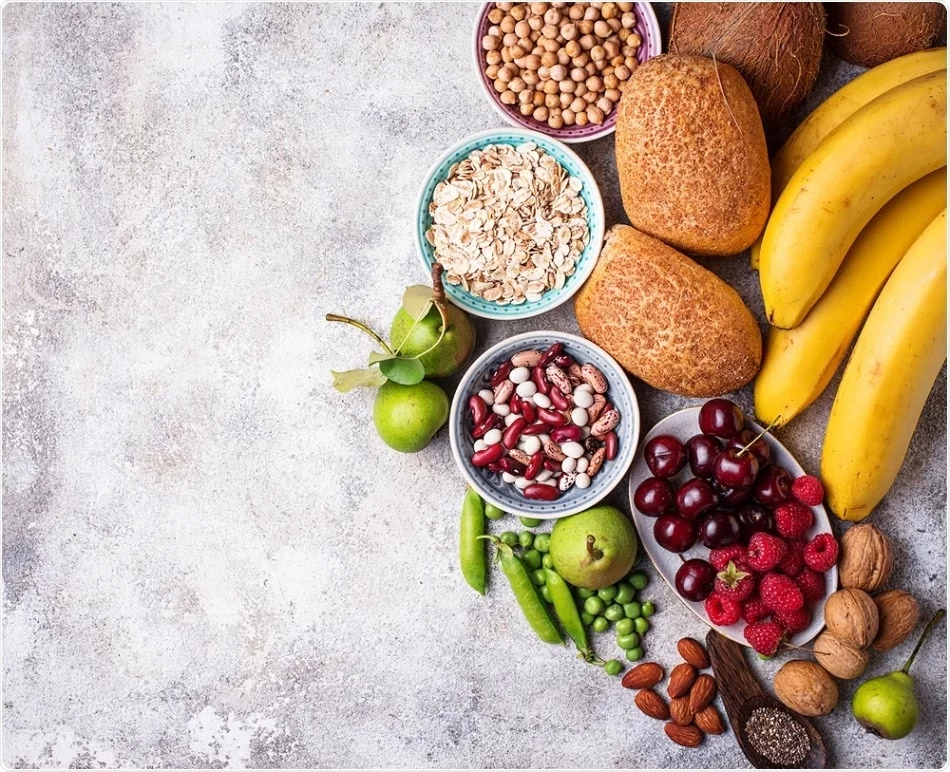
Key strategies include increasing plant-based proteins, reducing saturated fat (replacing it with monounsaturated and polyunsaturated fats), increasing dietary omega-3 fatty acids, increasing fiber rich carbohydrates (particularly soluble fiber), and increasing plant stanols or sterols.1 Limited research exists regarding ASCVD prevention specifically for individuals living with type 1 diabetes, so most recommendations are extrapolated from type 2 diabetes research, including dietary approaches, with implied benefit for both groups.1
The 2026 Dyslipidemia Guideline has comparative recommendations, encouraging a dietary pattern rich in fruits, vegetables, nuts, legumes, whole grains, and fiber, while reducing saturated fat and replacing it with mono and polyunsaturated fats. It noted that dietary patterns that reduce saturated fat and increase unsaturated fat was more effective than restricting dietary cholesterol.2
The guideline reinforces the cardiovascular benefits of the Mediterranean, DASH, and vegetarian eating patterns and highlights the under-recognized Portfolio dietary pattern, which was shown to lower LDL by approximately 26 mg/dL. This dietary pattern emphasizes inclusion of 50 grams of plant-based protein per day, 45 grams of nuts, at least 10 grams of viscous fiber, and 2 grams of plant sterols per day.3
Additional guidelines are given for hypertriglyceridemia depending upon level of elevation2. If triglycerides (TGs) are 150-499, added sugars are limited to 6% of calories, total fat is 30-35%, and alcohol is to be avoided. If TGs are 500-999, added sugars are limited to <5% of calories, total fat to 20-25%, and it is recommended to abstain completely from alcohol. If TGs are over 1000 mg/dl, added sugars are eliminated, total fat is limited to 10-19%, and again, alcohol abstinence is recommended.
For all groups, 150 minutes of activity is recommended, and 5-10% weight loss is considered for individuals who may benefit. Consideration of the amount, type, and quality of carbohydrates shows efficacy in lowering TGs. In addition to LDL and TG lowering, dietary patterns aim to improve overall metabolic health, including weight reduction, reduced inflammation, and improved blood pressure and glucose control.2
45% of CVD-related deaths are linked to poor diet quality4; however, the Dyslipidemia Guidelines call out the conundrum of individual variability in LDL response to dietary changes, particularly reductions in saturated fat intake2. While replacing saturated fats with foods high in monounsaturated and polyunsaturated fats is consistently associated with LDL-C reduction4, individual responses vary widely.5
These individual differences mean that two people on the same heart-healthy diet may see different LDL outcomes.
For example, some genetic variants affect how efficiently the body clears LDL particles.5 Inflammation and insulin resistance may influence dietary LDL lowering, since hyperinsulinemia impacts hepatic lipid synthesis, clearance, and LDL particle composition.6 Variations in bile acid synthesis and reabsorption also contribute, since bile acids play a key role in cholesterol homeostasis. Finally, overall dietary and other lifestyle patterns affect LDL response, highlighting the importance of comprehensive and personalized strategies.
Healthful dietary patterns reflect the synergy of the overall diet, not just a single macronutrient change.
The ADA Standard of Care and the ACC/AHA Dyslipidemia guidelines align in recommending dietary patterns based on whole foods, increased fiber intake, reduced red meat and processed meat consumption, reduced saturated fat intake, and comprehensive lifestyle interventions. However, gaps remain.
More research is needed to clarify how specific individual differences influence dietary needs, how dietary patterns affect emerging lipid markers (ApoB, endothelial function, inflammation, etc.), nutrition interventions impacting cardiovascular risk reduction for individuals with type 1 diabetes, and the long-term impact of nutrition interventions over a lifetime4.
Cardiovascular risk reduction requires team-based care, addressing not only diet but social determinants of health, activity, tobacco cessation, sleep hygiene, and pharmacotherapy to manage cholesterol, blood glucose, blood pressure, and comorbidities increasing risk. As evidence evolves, diabetes health care professionals can help translate these guidelines into practical, personalized strategies to support heart health.
Get exam-ready with confidence.
Course credits through AMA PRA Category 1 Credits™, ACPE, ANCC, and CDR!
Full accreditation details are available on the registration page
Our CDCES Boot Camp Online Prep Bundle is a comprehensive, high-impact program built specifically for healthcare professionals preparing for the Certified Diabetes Care and Education Specialist (CDCES) exam who want to level up their clinical knowledge and skills.
This evidence-based study bundle is a comprehensive BC-ADM Boot Camp designed for advanced-level healthcare professionals preparing for the Board Certified in Advanced Diabetes Management (BC-ADM) exam and will also provide you with state-of-the-art information to level up your clinical practice.
Join national experts including Dr. Diana Isaacs (Cleveland Clinic), Beverly Thomassian (30+ years of experience), and Christine Craig for high-impact, virtual learning—no travel required.
✔ Learn from National Experts — Anywhere
Get the same expert-level instruction you’d receive in person, delivered live to your home or office.
✔ Interactive & Flexible

Walk away with tools you can apply immediately in clinical practice or while preparing for CDCES or BC-ADM exams. From insulin dosing protocols to behavior change strategies that work in the real world—this content bridges theory and practice.
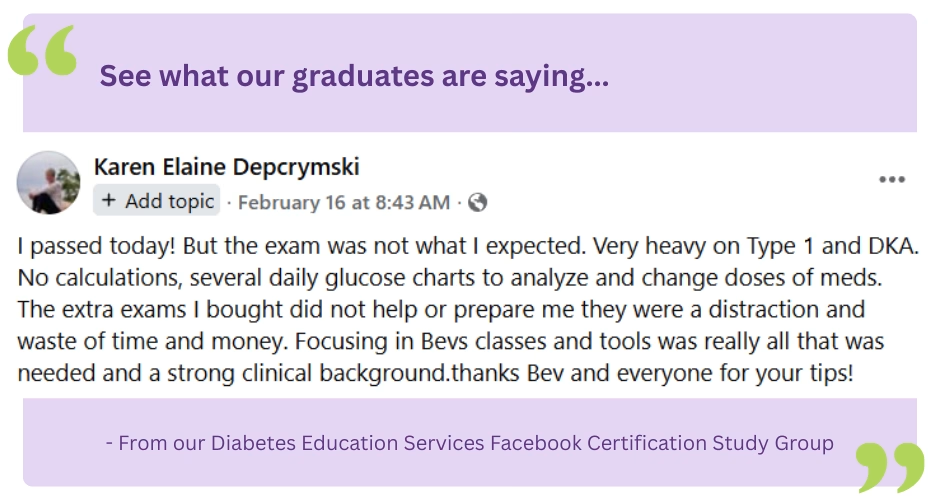

When providing Diabetes Self-Management Education (DSME), which of the following list includes the ADCES 7 Self-Care Behaviors?
Get exam-ready with confidence.
Course credits through AMA PRA Category 1 Credits™, ACPE, ANCC, and CDR!
Full accreditation details are available on the registration page
Our CDCES Boot Camp Online Prep Bundle is a comprehensive, high-impact program built specifically for healthcare professionals preparing for the Certified Diabetes Care and Education Specialist (CDCES) exam who want to level up their clinical knowledge and skills.
This evidence-based study bundle is a comprehensive BC-ADM Boot Camp designed for advanced-level healthcare professionals preparing for the Board Certified in Advanced Diabetes Management (BC-ADM) exam and will also provide you with state-of-the-art information to level up your clinical practice.
For last week’s practice question, we quizzed participants on LDL target for 2026. 55% of respondents chose the best answer. We want to clarify and share this important information, so you can pass it on to people living with diabetes and your colleagues, plus prepare for exam success!
Before we start though, if you don’t want any spoilers and haven’t tried the question yet, you can answer it by clicking here.
RZ is 47 years old with type 2 diabetes and hypertension. RZ takes metformin 1000 mg BID, plus lisinopril 20mg daily. RZs LDL is 140 mg/dL.
Based on the most recent ADA Standards, what is the LDL Cholesterol target for RZ?
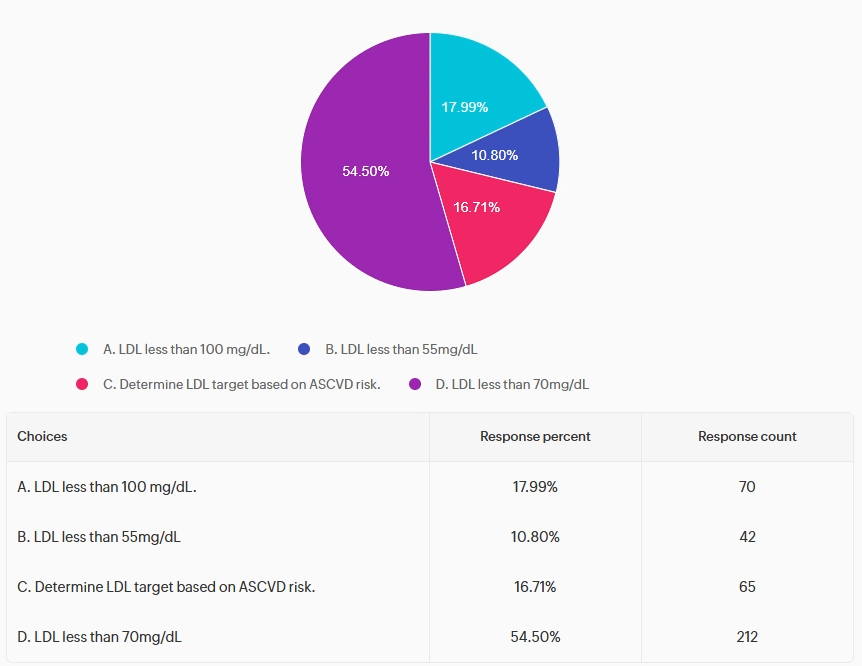
Answer A is incorrect. 17.99% chose this answer, “LDL less than 100 mg/dL.” This juicy answer was the previous goal for LDL.
But for the past few years, the ADA has established an LDL cholesterol goal of less than 70mg/dL (often using high-intensity statins) in diabetes. Reducing the LDL significantly decreases the risk of major cardiovascular events (heart attacks, strokes) by roughly 20% for every 39 mg/dL reduction. This target stabilizes plaque, slows atherosclerosis, and improves mortality, especially for high-risk individuals.
Answer B is incorrect. 10.80% of you chose this answer, “LDL less than 55 mg/dL.” This answer is tempting. The LDL goal off 55 mg/dL is recommended for individuals with diabetes with existing CV disease. Given that RZ has type 2 and hypertension and a LDL of 140 mg/dL, the ADA goal is to get LDL to half of the current value AND less than 70 mg/dL.
Answer C is incorrect. 16.71% chose this answer, “Determine LDL target based on ASCVD risk.” It might be helpful to calculate CV risk, but the ADA Standards make taking action simple and clear. If a person is 40 years or older, the LDL Goal is less than 70mg/dL and 50% reduction from their current LDL level. For people with diabetes with existing CV disease, the LDL goal is less than 55 mg/dL.
Finally, Answer D is correct. 54.50% of respondents chose this: “LDL less than 70mg/dL.” GREAT JOB! Based on the ADA 2026 guidelines, the LDL Goal is less than 70mg/dL and 50% reduction from their current LDL level, for people with diabetes over the age 40 with CV risk factors.
Reducing the LDL significantly decreases the risk of major cardiovascular events (heart attacks, strokes) by roughly 20% for every 39 mg/dL reduction. This target stabilizes plaque, slows atherosclerosis, and improves mortality, especially for high-risk individuals.
We hope you appreciate this week’s rationale! Thank you so much for taking the time to answer our Question of the Week and participate in this fun learning activity!
Save $75 thru April 30th
Join national experts including Dr. Diana Isaacs (Cleveland Clinic), Beverly Thomassian (30+ years of experience), and Christine Craig for high-impact, virtual learning—no travel required.
✔ Learn from National Experts — Anywhere
Get the same expert-level instruction you’d receive in person, delivered live to your home or office.
✔ 1-year Access
Get exam-ready with confidence.
Course credits through AMA PRA Category 1 Credits™, ACPE, ANCC, and CDR!
Full accreditation details are available on the registration page
Our CDCES Boot Camp Online Prep Bundle is a comprehensive, high-impact program built specifically for healthcare professionals preparing for the Certified Diabetes Care and Education Specialist (CDCES) exam who want to level up their clinical knowledge and skills.
This evidence-based study bundle is a comprehensive BC-ADM Boot Camp designed for advanced-level healthcare professionals preparing for the Board Certified in Advanced Diabetes Management (BC-ADM) exam and will also provide you with state-of-the-art information to level up your clinical practice.
AR is a 63-year-old with type 1 diabetes and mild hypertension. Their GFR is 41 mL/min/1.73m² and UACR is 312 mg/g and their BMI is 24. The provider asks you to instruct AR on a low-protein diet, since AR is in stage 3 CKD.
Join us as we continue our:
Courses air throughout April at 11:30 am PST
See course webcast dates by topic below

Sharpen your exam readiness and clinical mastery.
Level 3 is designed for healthcare professionals actively preparing for CDCES or BC-ADM certification exams. This 9-course intensive series delivers in-depth, evidence-based content grounded in the latest ADA Standards of Care, with a focus on exam strategies, case studies, and practice questions to build your confidence and competence.

Watch the FREE Behavior Change Theories Made Easy Webinar, created for busy healthcare professionals who want to better understand, and confidently apply, the most important theories for clinical practice and exam success.
In this webinar, Coach Beverly will break down and simplify the behavior change and learning theories that often feel confusing when you’re trying to choose the “best” answer on an exam. You’ll sort through key concepts together and learn how to apply them clearly and effectively in real-life scenarios.
This content will boost your clarity and confidence so you can approach exam questions and patient care feeling prepared and in control.

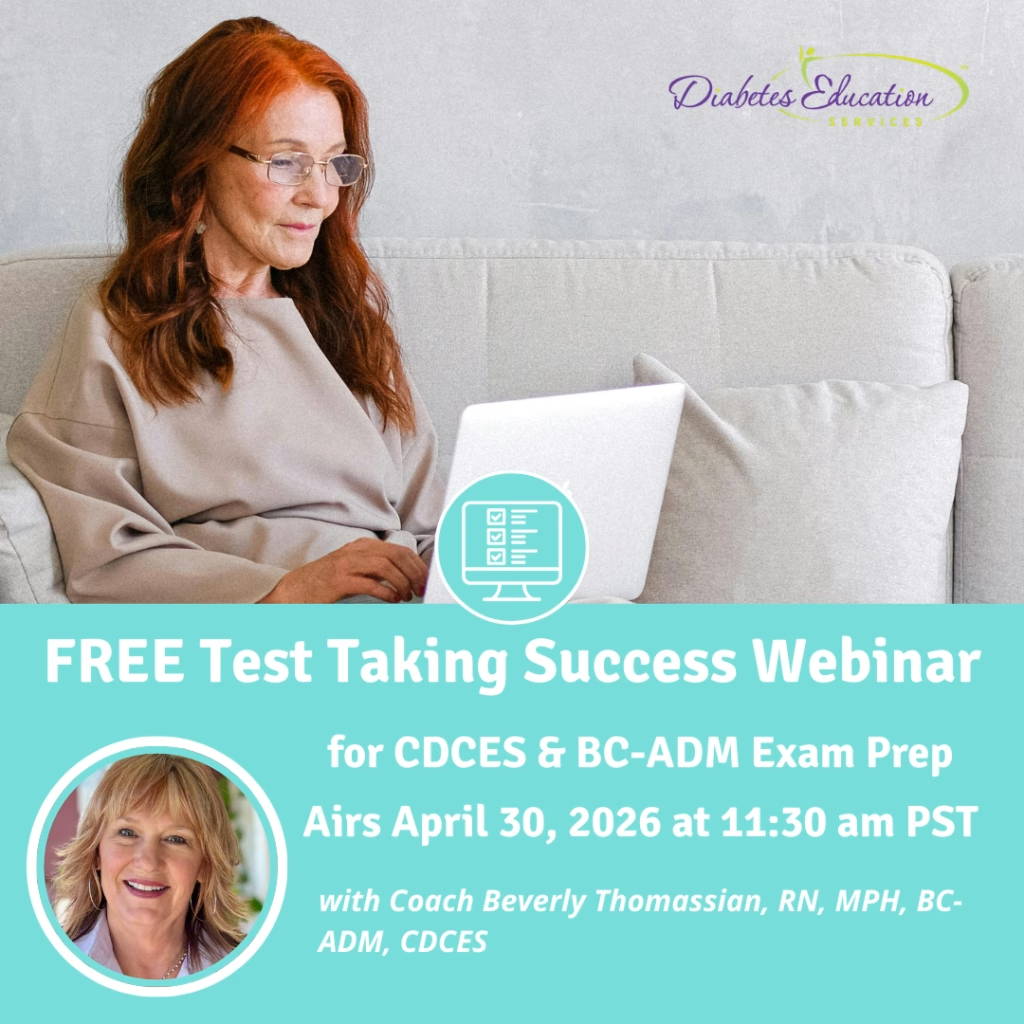
Watch the Test Taking Success Webinar recording, designed specifically for busy healthcare professionals preparing for diabetes certification.
During this webinar, you will have the opportunity to answer and dissect 20 sample exam questions alongside Coach Bev. Learn how to avoid common exam pitfalls and get to the best answer!
This content will boost your confidence and clarity so you can walk into exam day feeling prepared, calm, and in control. Coach Beverly has helped thousands of candidates cross over the finish line to success. She has passed her CDCES exam 7 times and counting.
For last week’s practice question, we quizzed participants on the benefits of once weekly insulin Icodec. 82% of respondents chose the best answer. We want to clarify and share this important information, so you can pass it on to people living with diabetes and your colleagues, plus prepare for exam success!
Before we start though, if you don’t want any spoilers and haven’t tried the question yet, you can answer it by clicking here.
A 62-year-old person with type 2 diabetes has an A1C of 9.1% despite metformin, SGLT-2i and a GLP-1 receptor agonist. You are considering once-weekly insulin icodec when it becomes available.
Which of the following is the most appropriate rationale for selecting insulin icodec (Awiqli) therapy?
What is the BEST response?
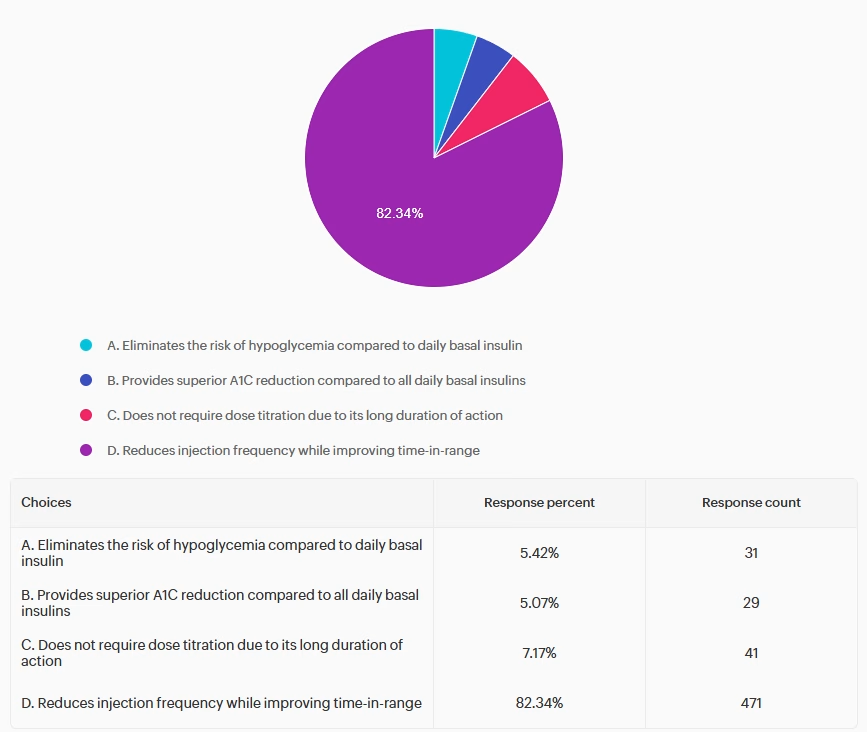
Answer A is incorrect. 5.42% chose this answer, “Eliminates the risk of hypoglycemia compared to daily basal insulin.”Although this insulin has a long steady half-life, it still peaks between day 2 to 4, with a slight increased risk of hypoglycemia during this period. And, since it is insulin, the risk of hypoglycemia is always a consideration.
Answer B is incorrect. 5.07% of you chose this answer, “Provides superior A1C reduction compared to all daily basal insulins.” Answer B is incorrect. Insulin icodec is considered non-inferior and has a similar glucose lowering impact when compared to other available basal insulins. However, since it only requires once a week injection, it may be easier to stick with in the long term.
Answer C is incorrect. About 7.17% of respondents chose this: “Does not require dose titration due to its long duration of action.” The manufacturers recommend adjusting doing units no more than every few weeks, depending on glucose response and safety.
Finally, Answer D is correct. 82.34% chose this answer, “Reduces injection frequency while improving time-in-range.” Yes great job. This is the best answer. On this ultra long insulin, people only need one basal insulin injection a week. Studies also indicate that this insulin improves time in range with less glucose variability.
We hope you appreciate this week’s rationale! Thank you so much for taking the time to answer our Question of the Week and participate in this fun learning activity!
Get exam-ready with confidence.
Course credits through AMA PRA Category 1 Credits™, ACPE, ANCC, and CDR!
Full accreditation details are available on the registration page
Our CDCES Boot Camp Online Prep Bundle is a comprehensive, high-impact program built specifically for healthcare professionals preparing for the Certified Diabetes Care and Education Specialist (CDCES) exam who want to level up their clinical knowledge and skills.
This evidence-based study bundle is a comprehensive BC-ADM Boot Camp designed for advanced-level healthcare professionals preparing for the Board Certified in Advanced Diabetes Management (BC-ADM) exam and will also provide you with state-of-the-art information to level up your clinical practice.
For last week’s practice question, we quizzed participants on the next steps after 12% weight loss. Over 85% of respondents chose the best answer. We want to clarify and share this important information, so you can pass it on to people living with diabetes and your colleagues, plus prepare for exam success!
Before we start though, if you don’t want any spoilers and haven’t tried the question yet, you can answer it by clicking here.
Question of the Week:
KC is a 62-year-old individual with type 2 diabetes who presents for follow-up after initiating a weight loss program 3 months ago. They report consuming approximately 1,000–1,100 kcal/day and have lost 12% of their body weight, with a current rate of weight loss averaging 5% in the last month.
Their diet excludes most grains and fruits, and they report occasional fatigue and constipation. Current medications include metformin, tirzepatide, and atorvastatin.
Based on current standards of care, what is the most appropriate response regarding nutrition and weight changes?
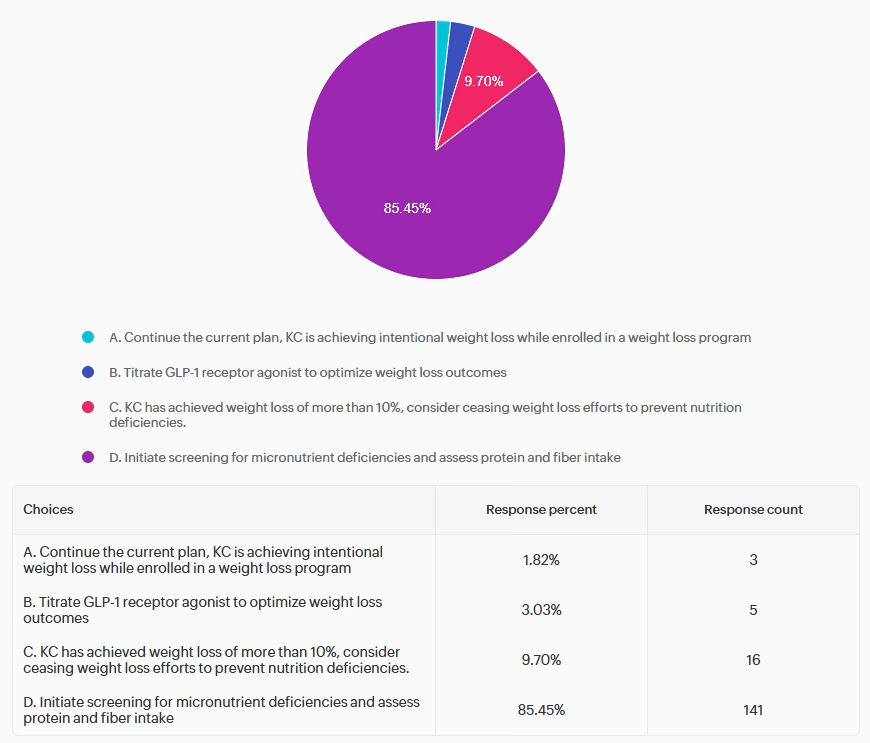
Answer 1 is incorrect. 1.82% chose this answer, “Continue the current plan, KC is achieving intentional weight loss while enrolled in a weight loss program.” Although KC is achieving clinically significant weight loss, they have multiple risk factors for nutrition deficiencies, including intake <1,200 kcal/day, rapid weight loss (>4% per month), age >50, and restriction of nutrient-dense food groups.1 These risk factors warrant further evaluation before continuation without modification.
Answer 2 is incorrect. 3.03% of you chose this answer, “Titrate GLP-1 receptor agonist to optimize weight loss outcomes.” While GLP-1 receptor agonists are effective for weight management, further intensification may not be appropriate in the setting of already rapid weight loss and inadequate intake. Additional assessment and individualization of outcome goals is recommended before intensification is initiated.
Answer 3 is incorrect. 9.7% chose this answer, “KC has achieved weight loss of more than 10%, consider ceasing weight loss efforts to prevent nutrition deficiencies.” While monitoring weight change is necessary, automatically discontinuing weight loss efforts may not be recommended. Instead, care should focus on optimizing nutritional adequacy, potentially incorporating supplementation, and adjusting the treatment plan to support safe, sustainable weight-loss goals while minimizing nutrition and medical risk.
Finally, Answer 4 is correct. 85.5% of respondents chose this: “Initiate screening for micronutrient deficiencies and assess protein and fiber intake” GREAT JOB! KC meets several high-risk criteria for nutrient deficiencies, including low caloric intake (<1200 calories per day), rapid weight loss (>4% per month), older age, and limited dietary variety. The current standards of care recommend screening for micronutrient deficiencies within these high risk groups. Screening is guided by clinical judgement but nutrients of concern include iron, calcium, magnesium, zinc, B1, B12, Vitamin C, and fat-soluble vitamins A, D, E, and K.1 It is also recommended to ensure adequate protein intake to preserve lean mass and ensure adequate fiber and fluid intake to address constipation in individuals consuming very low-calorie intake.
We hope you appreciate this week’s rationale! Thank you so much for taking the time to answer our Question of the Week and participate in this fun learning activity!
Join national experts including Dr. Diana Isaacs (Cleveland Clinic), Beverly Thomassian (30+ years of experience), and Christine Craig for high-impact, virtual learning—no travel required.
✔ Learn from National Experts — Anywhere
Get the same expert-level instruction you’d receive in person, delivered live to your home or office.
✔ Interactive & Flexible
Walk away with tools you can apply immediately in clinical practice or while preparing for CDCES or BC-ADM exams. From insulin dosing protocols to behavior change strategies that work in the real world—this content bridges theory and practice.
Get exam-ready with confidence.
Course credits through AMA PRA Category 1 Credits™, ACPE, ANCC, and CDR!
Full accreditation details are available on the registration page
Our CDCES Boot Camp Online Prep Bundle is a comprehensive, high-impact program built specifically for healthcare professionals preparing for the Certified Diabetes Care and Education Specialist (CDCES) exam who want to level up their clinical knowledge and skills.
This evidence-based study bundle is a comprehensive BC-ADM Boot Camp designed for advanced-level healthcare professionals preparing for the Board Certified in Advanced Diabetes Management (BC-ADM) exam and will also provide you with state-of-the-art information to level up your clinical practice.

There is a lot of exciting news contained in this month’s newsletter. The world of diabetes pharmacology is advancing at a breakneck pace, and we are here to keep you abreast of advances that will impact your clinical practice and your care for people with diabetes.
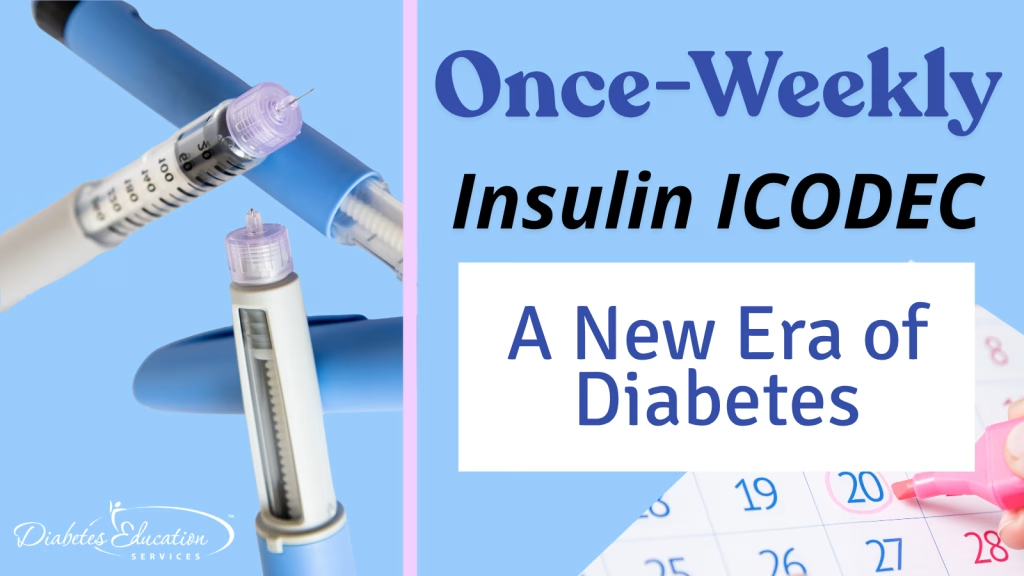
The first article describes the pharmacology and dosing considerations for icodec (Awiqli), an ultra-long-acting insulin scheduled for release in the second quarter of 2026. As we wait for its release, you can consider people with type 2 diabetes in your care who might benefit from this once-weekly basal insulin.
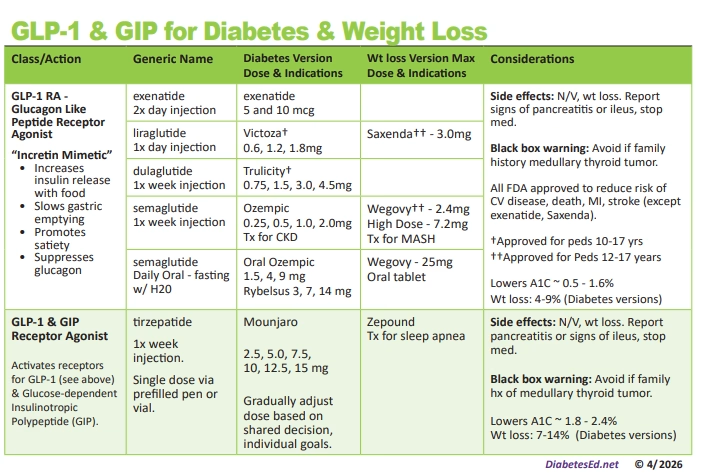
There has been significant movement in the GLP-1/GIP med class, from high-dose Wegovy to Mounjaro’s pediatric approval, highlighted in our next article. You are going to love our updated PocketCards, which neatly consolidate this shifting landscape at a glance for easy reference. Continued below…
In a thoughtful comparison of the ADA and the American College of Cardiology dyslipidemia treatment guidelines, Christine Craig, MS, RDN, CDCES, concludes that both recognize the critical impact of dietitians and MNT in addressing elevated lipid levels.
Sarah Beattie, DNP, CDCES, highlights the importance of eye exams and encourages the use of remote retinal screening for those without access to an eye care professional in their area.
Test your knowledge with a quiz that investigates potential candidates for once-weekly insulin and check out our rationale of the week too.
Lastly, we hope to see you at our Virtual Conference. Diana Issaacs, PharmD, CDCES, BC-ADM, will dive into the newly approved diabetes meds and insulins, helping you sort out how to best use these tools in clinical practice.
In celebration of Spring,
Coach Beverly, Bryanna, and Katarina
Join national experts including Dr. Diana Isaacs (Cleveland Clinic), Beverly Thomassian (30+ years of experience), and Christine Craig for high-impact, virtual learning—no travel required.
✔ Learn from National Experts — Anywhere
Get the same expert-level instruction you’d receive in person, delivered live to your home or office.
✔ Interactive & Flexible
Walk away with tools you can apply immediately in clinical practice or while preparing for CDCES or BC-ADM exams. From insulin dosing protocols to behavior change strategies that work in the real world—this content bridges theory and practice.
Get exam-ready with confidence.
Course credits through AMA PRA Category 1 Credits™, ACPE, ANCC, and CDR!
Full accreditation details are available on the registration page
Our CDCES Boot Camp Online Prep Bundle is a comprehensive, high-impact program built specifically for healthcare professionals preparing for the Certified Diabetes Care and Education Specialist (CDCES) exam who want to level up their clinical knowledge and skills.
This evidence-based study bundle is a comprehensive BC-ADM Boot Camp designed for advanced-level healthcare professionals preparing for the Board Certified in Advanced Diabetes Management (BC-ADM) exam and will also provide you with state-of-the-art information to level up your clinical practice.