
Subscribe
eNewsletter

Ready to get certified?
Free CDCES Coach App

eNewsletter
Free CDCES Coach App

May 29th, 2019 – 11:30 a.m. – 12:40 p.m. PST
Preparing for the BC-ADM Exam – What you need to know
Join us for this live webinar
Becoming BC-ADM is a great achievement for diabetes educators with an advanced degree in their field and a professional license as an advanced practice nurse, registered dietitian, or registered pharmacist. The scope of advanced diabetes practice includes patient management skills such as medication adjustment, medical nutrition therapy, exercise planning, counseling for behavior management and psychosocial issues.
Attaining optimal metabolic control in the diabetic client may include treatment and monitoring of acute and chronic complications. This webinar will review changes in requirements for 2019, exam eligibility and test format, strategies to succeed along with a review of study tips and test-taking tactics. We will review sample test questions and the reasoning behind choosing the right answers. We hope you can join us for this webinar. Click here for a bunch of free resources, a reading list and to register for FREE Webinar.
Sign up for Diabetes Blog Bytes – we post one daily Blog Byte from Monday to Friday. And of course, Tuesday is our Question of the Week. It’s Informative and FREE! Sign up below!
[yikes-mailchimp form=”1″]Join us for free on May 3rd @ 11:30 a.m. PST

Join us to get ready to succeed a the CDCES Exam. This course will transform your test anxiety into calm self-confidence and test-taking readiness.
Topics covered include:
We will review sample test questions and the reasoning behind choosing the right answers.
After registering, you will receive a confirmation email containing information about joining the webinar.
Intended Audience: This FREE webinar is designed for individual or groups of diabetes educators, including RNs, RDs, Pharmacists, Nurse Practitioners, Clinical Nurse Specialists, Physician Assistants and other health care providers interested in achieving excellence in diabetes care and becoming Certified Diabetes Care and Education Specialists®.
Instructor: Beverly Thomassian RN, MPH, CDCES, BC-ADM is a working educator who has passed her CDCES Exam 6 times. She is a nationally recognized diabetes expert for over 25 years.
See our Preparing for CDCES Resource Page >>
Sign up for Diabetes Blog Bytes – we post one daily Blog Byte from Monday to Friday. And of course, Tuesday is our Question of the Week. It’s Informative and FREE! Sign up below!
[yikes-mailchimp form=”1″]
Be a part of our diabetes community while learning about the latest in diabetes care. Plus, Beverly provides an interactive question and answer session at the end of each live webinar.
What we say matters. As educators, advocates, spouses, friends, and providers, our use of language can deeply affect the self-view of people living with diabetes everyday. The language used in the health care setting is immensely important in determining the success of the interaction and long term relationships. Thoughtful communication provides a sense of support and empathy and moves both the provider and person with diabetes toward greater satisfaction and success.
Resource Page & Printable Handouts
Being a diabetes educator can be challenging. This one-hour presentation by Heather Nielsen, MA, LPC, CHWC will provide diabetes educators with helpful hands-on strategies to incorporate mindfulness and self-compassion into our daily lives and professional practice
Resource Page & Printable Handouts
This one-hour complimentary journey will expand your view of how trillions of bacterial hitchhikers profoundly influence our health. We will discuss how foods, the environment and our medical practices have impacted our gut bacteria over time and strategies we can take to protect these old friends. Join us!
Join us live! New Horizons – Getting to the Gut at 11:30 a.m. PST – 1:00 p.m. PST. Click below to sign up:
Resource Page & Printable Handouts
This free webinar will review changes in BC-ADM requirements for 2019, exam eligibility and test format, strategies to succeed along with a review of study tips and test taking tactics. We review sample test questions, and reasoning behind choosing the right answers.
Join us live! All upcoming FREE Preparing for the BC-ADM Webinar: 11:30 a.m. PST – 1:00 p.m. PST. Click below to sign up:
Resource Page & Printable Handouts
Not sure where to start? Join us live or listen to our On Demand version by registering today! Learn how to focus your time and prepare to take the CDCES® Exam. We provide plenty of sample test questions and test taking tips!
Join us live! All upcoming FREE Preparing for the CDCES Exam Webinar: 11:30 a.m. – 1:00 p.m. PST. Click below to sign up:
Resources Page & Printable Handouts
View All Diabetes Education Services Free Webinars here
No CE units are provided for our FREE Webinars, but we have good news: Visit our Diabetes Ed Online University where you can earn CEs from your desk!
“I think Beverly’s presentations are fantastic. I’m an RN, MSN, CDCES and I’ve had type 1 diabetes for more than 30 years. Nevertheless, I always take away something from Beverly’s presentations. Great teaching techniques, great pacing, great content. Of all the diabetes education I’ve received as a CDCES, Beverly is my favorite presenter, hands down. Thank you so much.”
Ann (Meds for Type 2 Webinar)
“I have never been disappointed in any presentation delivered by Beverly and this is no exception. It was very helpful to know how to best use my study time and what areas to focus on as well as the details of how to interpret the questions. I use the Diabetes Educations Service frequently and find it to be a valuable resource in increasing and improving my career path in diabetes education. Thank you for this wonderful service and support!!!”
D (CDCES Webinar)
“I am so pleased my coworker told me about your services/website. Your enthusiasm for helping diabetes patients in the way that fits THEIR needs, budget, etc. really shone through in the broadcast. Thanks again!“
Diane Priest, RD/LD, CDCES
“Thank you so much for hosting the webinar today. I found the content to be extremely helpful and helped motivate me to really get ready for the CDCES in November. Thank you for all you do to further my DM knowledge base and for making a difference in the diabetes community.”
Ling, PharmD (CDCES Webinar)
“Beverly, Loved the mini series again today! You do such a fantastic job and I feel so lucky to have found you and your website! Every time I listen to one of your webinars I always learn something new. Even if it might be on a topic I’m starting to feel pretty confident with. Thank you!!”
Kathleen Paganelli
“Very useful information about type 1 diabetes prevention research. Alot of this I was not aware of.”
Adrienne
Sign up for Diabetes Blog Bytes – we post one daily Blog Byte from Monday to Friday. And of course, Tuesday is our Question of the Week. It’s Informative and FREE! Sign up below!
[yikes-mailchimp form=”1″]
“The American Association of Clinical Endocrinologist recommends a plant-based diet for people with diabetes, yet many people and educators are unsure how to get started.” – Coach Beverly
This Free Resource Friday, we want to share all of our Plant-based Resources.
Check out our resource page full of ideas, recipes and more!
Sign up for Diabetes Blog Bytes – we post one daily Blog Byte from Monday to Friday. And of course, Tuesday is our Question of the Week. It’s Informative and FREE! Sign up below!
[yikes-mailchimp form=”1″]
For this newsletter, we take a look at how our social environment is impacting this vulnerable age group. The habits established as teenagers are carried forward into adulthood and influence long term health outcomes. As parents, mentors and diabetes educators, are there actions we can take today to improve the health of our teens for tomorrow?
Click here to read our newsletter!
Sign up for Diabetes Blog Bytes – we post one daily Blog Byte from Monday to Friday. And of course, Tuesday is our Question of the Week. It’s Informative and FREE! Sign up below!
[yikes-mailchimp form=”1″]Put on your diabetes detective hat! The last Tuesday of March has historically been designated by the ADA as Diabetes Alert Day. Starting this year, the ADA recognizes that every day provides an opportunity to find people with undetected prediabetes and diabetes.
We want to

Most people with prediabetes have no idea they are living with elevated blood sugars and that they are at an increased risk of heart attack and stroke. Early discovery increases the potential for remission.
For type 2 diabetes, it takes an average of 6.5 years to discover. The Legacy Trial Results demonstrated that early and aggressive treatment of diabetes results in decreased risk of eye, kidney, nerve disease, heart attack and possible death.
(Not to worry, the Question of the Week will be sent out tomorrow 03/27).
Whether you work in the inpatient or outpatient setting, encourage colleagues to look at A1cs and fasting blood glucose levels to identify those with:
PreDiabetes: A1c of 5.7-6.4% or Fasting BG of 100-125mg or
Diabetes: A1c of 6.5% + or Fasting BG of 126 +
Newly discovered diabetes? Let’s inform the provider so immediate action can be taken to link the person to resources including a diabetes program referral, dietitian, pharmacist, eye care professional, dentist and more.
New prediabetes? Let’s connect people to a Diabetes Prevention Program in their community or encourage them to take advantage of the abundance of online resources and Apps to help with behavior change starting today.
Diabetes Prevention Program – Find CDC Diabetes Prevention Programs in your community.
ADA Diabetes Risk Test can identify those at risk and promote behavior change action for individuals and their communities.
Risk Test for PreDiabetes – A user friendly web page that evaluates risk and provides helpful info
“Are you at Risk?” Page by the American Diabetes Association – includes the Risk Test, strategies to lower risk and information on predidabetes.
Screening and Diagnosis of Diabetes Mellitus 2019– One page cheat sheet that summarizes screening, risk status and diagnostic criteria for diabetes.
My Health Advisor by ADA
The path to good health just got a lot easier. Enter some basic health
information and My Health Advisor will calculate risk for type 2
diabetes, heart disease and stroke.
BMI Calculator – A fast and easy way to calculate a patients BMI
National Institutes of Health – Managing Diabetes – It’s Not Easy, But It’s Worth It
Exercise Resource Page – We created this resource page so that you would have helpful exercise resources available for you and your colleagues. There are handouts and links that you can share with patients too!
Apps for Diabetes – an array of apps that reviewers have found helpful for people living with diabetes.
Diabetes Educators can take a leadership role in their workplace and communities to uncover undetected diabetes.
Sign up for Diabetes Blog Bytes – we post one daily Blog Byte from Monday to Friday. And of course, Tuesday is our Question of the Week. It’s Informative and FREE! Sign up below!
[yikes-mailchimp form=”1″]Now available, new UPDATED 2019 Medication PocketCards.
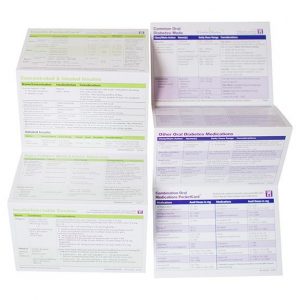
For Quantity Discounts, please contact [email protected]
Subscription Benefits Include:
Sign up for Diabetes Blog Bytes – we post one daily Blog Byte from Monday to Friday. And of course, Tuesday is our Question of the Week. It’s Informative and FREE! Sign up below!
[yikes-mailchimp form=”1″]Ask Coach Beverly a Question on

Are there questions about diabetes or the Diabetes Certification Exam that you are dying to ask?
Good News! Coach Beverly adores and appreciates our Facebook followers and community. Our goal is to reach 2000 followers by April 1st (We got this).
Almost 2000 Facebook Friends (only 40 more to go) – We are getting ready to celebrate.
In celebration of reaching this goal, she is going to have a FaceBook LIVE Q&A Session for 30 minutes on April 1st (no fooling) from 12:00 p.m. to 12:30 p.m.
We hope you can join us to get your questions answered.
Just type in your question here, and Coach Beverly will do her best to answer your question within the half hour time frame!
But, this can only happen if we reach 2000 followers by April 1st!
We hope to see you there and invite your friends and colleagues join our community.
With affection,
Coach Beverly and Anne