
Subscribe
eNewsletter

Ready to get certified?
Free CDCES Coach App

eNewsletter
Free CDCES Coach App
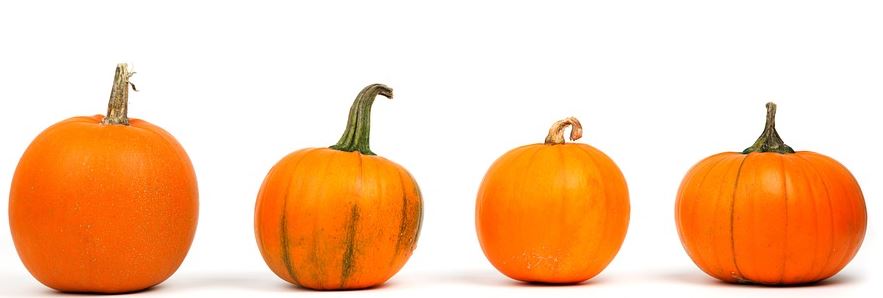
Americans purchase nearly 600 million pounds of candy every year just for Halloween. That means lots of extra calories and sugar temptations for days and weeks to come.
One strategy to decrease temptation and consumption, is to remove these sugary treats from your home and donate leftover candy to persons or organizations in need. Donating provides a great opportunity to teach children about sharing and kindness, while supporting healthy food choices.

Operation Gratitude
Operation Gratitude sends care packages to U.S. troops stationed in overseas and first responders stateside. The organization’s mission is simple: to put a smile on soldiers’ faces. Kids are encouraged to include letters and pictures, too.
Soldiers’ Angels
Soldiers’ Angels organizes Treats for Troops annually. Visit the website to find a donation drop-off point, or register to start a drive of your own.
Operation Shoebox and Any Soldier
These are two more organizations that collect and send care packages to troops overseas. Operation Shoebox accepts individually wrapped candies all year long. Meanwhile, Any Soldier allows you to decide which branch of the armed forces you’d like to support: Army, Navy, Air Force, or Marines.
Sign up for Diabetes Blog Bytes – we post one daily Blog Byte from Monday to Friday. And of course, Tuesday is our Question of the Week. It’s Informative and FREE! Sign up below!
[yikes-mailchimp form=”1″]
Whether it’s the candy, the turkey, stuffing, or the desserts, the holidays are a difficult time for anyone to eat healthy and avoid weight gain. Experts suggest that the holidays are not the best time to set weight loss goals. Instead, a more realistic approach is to focus on enjoying special events and weight maintenance coupled with lots of good self-care.

Weight watchers, most dietitians, and health bloggers suggest several strategies to make healthier choices when tempted by holiday fare:
Some interesting, alternative strategies that people are reporting success with:
For more info, see our 10 Steps To Surviving the Holidays here >>
There are approximately 15 million people enrolled in Medicare who have diabetes or chronic kidney disease which is eligible for the benefit of personal nutritional counseling.
Medicare pays for the first three hours of dietary counseling during the first year the benefit is used, and two hours in subsequent years.
Only 5% of Medicare beneficiaries receive Medical NutritionTherapy Counseling. Yet, participants who receive counsel from Registered Dietitians have A1c drops of 1-2%.
Kaiser Health News gathered testimonials from people who took advantage of the nutritional counseling referral and people found it help to bring down their blood glucose readings and realize what and what not to eat and portion sizes. One man, Louis Rocco, didn’t realize until seeing a dietitian that eating a lot of bread could be dangerous for him. He said “I’m Italian, and I always eat a lot of bread,” but he could see the difference in his readings after two, hour-long consultations with a dietitian.
The problem may be that not enough physicians know about the Medicare benefit. Doctors have to refer patients to a dietitian. See Kaiser Health News for the full article.
Sign up for Diabetes Blog Bytes – we post one daily Blog Byte from Monday to Friday. And of course, Tuesday is our Question of the Week. It’s Informative and FREE! Sign up below!
[yikes-mailchimp form=”1″]
Developed in tandem by scientists, nutritionists, and chefs, the Nordic diet was designed to enhance the nutritional intake of people in Scandinavian Countries. The Nordic diet is similar to the Mediterranean diet in that it promotes healthy lifestyle habits like choosing local, fresh ingredients and pairing diet with active habits like bicycling and walking.

The Nordic diet’s aim is to limit sugar and highly processed foods while emphasizing whole and minimally processed foods; high-fiber vegetables, whole grains, fruit, dense breads (pumpernickel/real sourdough), fish, low-fat dairy, lean meats of all types, beans and lentils, tofu, skinless poultry, and fermented foods.
The Nordic Diet ratio recommends 50% of calories from high fiber carbs, 25% lean protein, and 25% from mostly plant based fats. Fermented foods — fish, vegetables and dairy — also play a strong role, as do herbs and spices
A caveat is if you live in a warmer climate, some of the Nordic foods may be difficult to find, so the Mediterranean diet may be better. Also, registered dietitian Layne Lieberman advises limiting cured fish which is high in salt, sugar, and often nitrates. Read more about the Nordic diet here.
Sign up for Diabetes Blog Bytes – we post one daily Blog Byte from Monday to Friday. And of course, Tuesday is our Question of the Week. It’s Informative and FREE! Sign up below!
[yikes-mailchimp form=”1″]
A new study shows intermittent fasting may help reduce hunger and promote weight loss. The typical American mealtimes occur during a 12-hour window, between 8 a.m. and 8 p.m. Intermittent fasting is a strategy of limiting down the amount of hours spent eating, from 8 a.m. to 2 p.m.
This small study compared two groups who ate the same amount of calories but one group stayed on the typical American eating schedule (from 8am to 8pm), and the other group ate within the intermittent fasting schedule (from 8am to 2pm).
Those who fasted 18 hours (from 2 p.m. to 8 a.m.) had lower levels of ghrelin and higher levels of peptide (they were more satiated and less hungry) and lost weight.
Those practicing intermittent fasting, even though they ate the same amount of calories as the non fasters, also had better metabolic flexibility. You can read more details on the study here.
Sign up for Diabetes Blog Bytes – we post one daily Blog Byte from Monday to Friday. And of course, Tuesday is our Question of the Week. It’s Informative and FREE! Sign up below!
[yikes-mailchimp form=”1″]
A study from the University College London, published in Depression & Anxiety showed an association between eating dark chocolate, and lessening symptoms of depression.

This study isolated the effects of dark chocolate only, avoiding variables such as socioeconomic status, which they believed could “confound the association between chocolate and depression.”
The study showed significantly lower odds of symptoms of clinical depression in study participants who ate dark chocolate as compared to other chocolate types.
The findings indicate a positive relationship between dark chocolate and lessened depression. However, they need to be confirmed in duplicate studies that carefully consider confounding variables.
In another study, researchers highlighted that highly stressed people who ate the equivalent of one average-sized dark chocolate candy bar (1.4 ounces) each day for two weeks experienced reduced levels of cortisol and catecholamine levels compared to highly stressed people who did not eat dark chocolate for 2 weeks.
Researchers also say dark chocolate appeared to have beneficial effects on the participants’ metabolism and microbial activity in the gut.
Bottom line – looks like we all need to eat more dark chocolate!
Read University College London Study on Chocolate Reduces Depression Risk
Read Dark Chocolate Lowers Stress Hormones from Web MD
Sign up for Diabetes Blog Bytes – we post one daily Blog Byte from Monday to Friday. And of course, Tuesday is our Question of the Week. It’s Informative and FREE! Sign up below!
[yikes-mailchimp form=”1″]
In 2017, a study found that 11 million deaths worldwide were linked to poor diet. The research demonstrated that too much sugar, salt, and processed meats can contribute to diabetes, cancer and cardiovascular disease.
Although there is still debate on the “ideal diet” a recent study recommended people double their intake of fruits, vegetables, and legumes and halve their intake of meat and sugar.
The study reviewed the diets of over 195 countries. “Consumption of healthier foods such as nuts and seeds, milk and whole grains was on average too low, and people consumed too many sugary drinks and too much processed meat and salt. This led to one in five deaths in 2017 being linked to unhealthy diets. “
A study from The Global Burden of Disease, from 1990 to 2017 found that an unhealthy diet was responsible for more deaths than any other health factor worldwide.
“The study found people ate only 12 percent of the recommended amount of nuts and seeds – an average intake of 3 grams a day, compared with the recommended 21 g – and drank more than 10 times the recommended amount of sugary drinks. Diets high in sugar, salt and bad fats are known risk factors for heart disease, stroke, diabetes and many types of cancer.”
The global diet also lacked in consumption of whole grains and doubled the recommended intake of processed meats.
As health care professionals we want to promote a healthy lifestyle and help encourage our community whenever we can. We have created a Plant-Based Eating Resource page and the “Joy of Six” sugar campaign to provide resources for healthy eating. We also invite you to join our Diabetes Education Course September 4-6, 2019, where nutrition expert Dana Armstrong discusses the importance of improving global and individual through diet.
The Joy of Six Campaign Materials
Diabetes Education Course September 4-6, 2019,
To learn more: One in five deaths worldwide linked to unhealthy diet – Reuters
Sign up for Diabetes Blog Bytes – we post one daily Blog Byte from Monday to Friday. And of course, Tuesday is our Question of the Week. It’s Informative and FREE! Sign up below!
[yikes-mailchimp form=”1″]
A study published in Gut, an international journal in gastroenterology and hepatology, revealed that a diet low in carbohydrates and high in fat can lead to a detrimental shift in a person’s gut microbiome. Duo Li, PhD of the Institute of Nutrition and Health at Qingdao University in China, believes this study is particularly important to countries becoming more westernized.
“Evidence has shown that humans gut microbiota diversity and richness are reduced with consumption of high-fat diets compared with more traditional diets with a higher proportions of carbohydrates. Such diet-induced ‘dysbiosis’ in gut-associated microbial communities has been postulated as a major trigger of metabolic impairments associated with obesity.”
During the study, 217 healthy young adults were assigned to one of three isocaloric diets, low-fat, moderate-fat, and high-fat. Then changes in the participant’s gut bacteria and inflammatory triggers were observed.
The aim of the study was to examine whether a low-fat diet or
“Li and colleagues found that the higher-fat diet was associated with changes to long-chain fatty acid metabolism, which resulted in higher levels of chemicals that could potentially trigger inflammation.”
Kelly Issokson, MS, RD, CNSC believes that the study is quite limited but shed light on an interesting observation for a younger population and fat intake.
“I will continue to recommend the Mediterranean-style eating pattern, which has been associated with favorable changes in the microbiota and metabolome as well as positive effects on health and wellness. A Mediterranean diet is rich in fiber, fruits, vegetables, nuts, seeds, whole grains, legumes, olive oil (high in omega 3 fatty acids), and encourages moderate to low intake of fish, dairy, and meat,” Issokson said.
To learn more: High-fat diet linked to unfavorable gut microbiota changes – Healio
Sign up for Diabetes Blog Bytes – we post one daily Blog Byte from Monday to Friday. And of course, Tuesday is our Question of the Week. It’s Informative and FREE! Sign up below!
[yikes-mailchimp form=”1″]