
Subscribe
eNewsletter

Ready to get certified?
Free CDCES Coach App

eNewsletter
Free CDCES Coach App

CT was diagnosed with type 2 diabetes three years ago. The current medication regimen includes 1000 mg of metformin twice daily and 70 units of glargine at night. CT wears an intermittent sensor, and you look at the glucose trends together on CT’s phone app. You both agree that there are consistent postmeal spikes up to 250 almost every day after lunch and dinner. The lowest blood sugar readings are in the 100s. BMI is 33.8 and CT says, “I never feel full”. The most recent A1C is 8.2%, urinary albumin creatinine ratio less than 30.
Based on this information, what intervention would be most likely help CT get to recommended ADA targets?
Click here to test your knowledge!
Want to learn more about this topic? Join us for our

Why are glucose levels elevated in the morning? When should insulin be started? What is the next step to get A1c to target?
During this course Coach Beverly addresses each of these glucose mysteries and more, using a person-centered approach. She describes a stepwise approach to evaluate glucose patterns and correct common issues encountered by people living with type 2 diabetes.
By attending this webinar, you will gain confidence in evaluating glucose patterns and making recommendations for improvement.
Objectives
Sign up for Diabetes Blog Bytes – we post one daily Blog Byte from Monday to Friday. And of course, Tuesday is our Question of the Week. It’s Informative and FREE! Sign up below!
[yikes-mailchimp form=”1″]
Accreditation: Diabetes Education Services is an approved provider by the California Board of Registered Nursing, Provider 12640, and Commission on Dietetic Registration (CDR), Provider DI002. Since these programs are approved by the CDR it satisfies the CE requirements for the CDCES regardless of your profession.*
The use of DES products does not guarantee the successful passage of the CDCES exam. CBDCE does not endorse any preparatory or review materials for the CDCES exam, except for those published by CBDCE.

Most of you, 69%, chose the best answer for our May 11th Question of the Week. Great job! We wanted to “take a closer look” into this question.
Before we start though, if you don’t want any spoilers and haven’t tried the question yet, you can answer below: Answer Question
Question: RT is 33 years old and has had diabetes for the past 20 years. RT uses an insulin pump and CGM and works hard to keep A1cs less than 7%. Their most recent A1c increased to 7.9% and RT sets up an appointment with the diabetes specialist for help. After downloading the report, the specialist thinks they have discovered the reason behind the increasing A1c.
Which of the following would most likely explain the A1c increase?
Answer Choices:
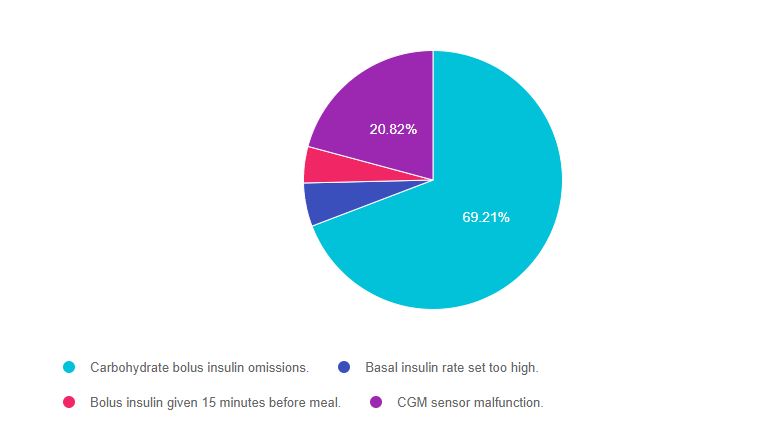
As shown above, the most common choice was option 1, the second most common answer was option 4, then option 2, and finally option 3.
If you are thinking about taking the certification exam, the content of this practice test question will set you up for success. The exam will present questions that require test takers to be familiar with diabetes technology and helping people with problem solving and getting glucose to target.
Answer 1 is correct, 69.21% chose this answer, “Carbohydrate bolus insulin omissions.” GREAT JOB! Skipping coverage for carbs, even once a day, can lead to a 1% increase in A1c. When discussing the data download with RT, the diabetes specialist will recognize all the actions that RT is doing correctly. Then, the specialist will share their observations that it seems RT sometimes skips bolusing for carb intake. The specialist can pause and see what RT says or the specialist could say something like, “can you tell me more about what is happening around these meals?”
Answer 2 is incorrect, 5.43% of you chose this answer, “Basal insulin rate set too high.” Getting to the correct basal rate is important to maintain glucose levels on target. If the basal rate is set too high, this means that RT would be getting too much insulin. This would result in hypoglycemia and a drop in A1c.
Answer 3 is incorrect, 4.55% of you chose this answer, “Bolus insulin given 15 minutes before meal.” The timing of bolus insulin before meals can make a big difference in getting glucose to target. Giving bolus insulin 15 minutes before meals can actually improve glucose levels since it allows the insulin peak to more closely match the post meal glucose elevation.
Answer 4 is incorrect, 20.82% of you chose this answer, “CGM sensor malfunction.” This is a juicy answer, but it doesn’t match the intent of the question. If the question said, “according to the CGM download the estimated A1c is 7.0% and the lab A1c is 7.9%” then we might consider this answer. However, we have no indication that the CGM sensor wasn’t working, nor do we have any data from the CGM to consider. That’s why this juicy answer is not the best one.
We hope you appreciate this week’s rationale! Thank you so much for taking the time to answer our Question of the Week and participate in this fun learning activity!

Determining basal and bolus rates for multiple daily injections or insulin pumps can seem overwhelming. This 90-minute course provides participants with a step-by-step approach to determine basal rates, bolus ratios and how to problem solve when blood glucose levels aren’t on target. During this 90-minute course, Coach Beverly will provide abundant case studies to give participants hands-on practice and build confidence when calculating insulin doses for a variety of situations.
Objectives:
Can’t join live? No worries, we will record the webinar and post it to the Online University!
Sign up for Diabetes Blog Bytes – we post one daily Blog Byte from Monday to Friday. And of course, Tuesday is our Question of the Week. It’s Informative and FREE! Sign up below!
[yikes-mailchimp form=”1″]
Accreditation: Diabetes Education Services is an approved provider by the California Board of Registered Nursing, Provider 12640, and Commission on Dietetic Registration (CDR), Provider DI002. Since these programs are approved by the CDR it satisfies the CE requirements for the CDCES regardless of your profession.*
The use of DES products does not guarantee the successful passage of the CDCES exam. CBDCE does not endorse any preparatory or review materials for the CDCES exam, except for those published by CBDCE.
In preparation for my updating my class “Basal Bolus Therapy in the Hospital Setting“, a quick google search on the latest trends in hospital and diabetes care highlighted this just-published article to my immediate attention.
Management of diabetes and hyperglycemia in the hospital – Lancet 2021: 9 174-288 published in March 2021, provides evidence-based information and easy-to-use algorithms on managing hyperglycemia in the inpatient setting. It also addresses the use of CGM and insulin pumps in hospitals.
For this blog, I want to discuss some changes in approaches to hospital management, that I think is long overdue!
Take a look at the algorithm below and see if you agree with my takeaways below.
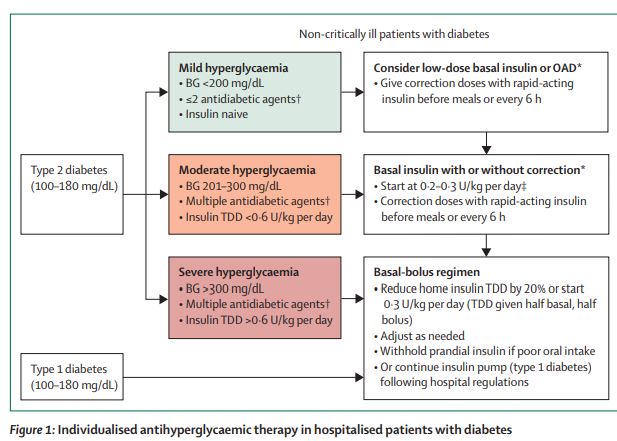
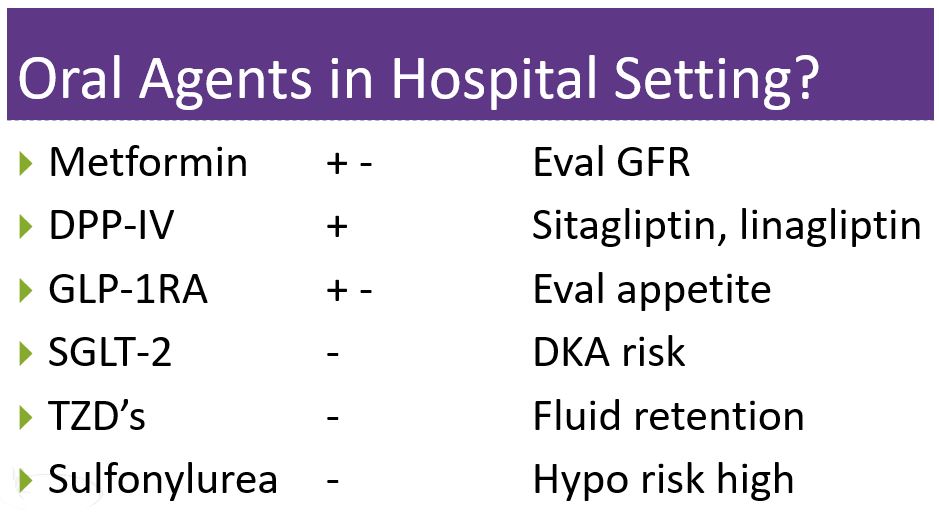
As a hospital-based diabetes nurse for a few decades, I have watched the evolution of inpatient diabetes management. With this new article, it feels like we have reached a more thoughtful middle ground, based on evidence and clinical experience.
Certainly, the insulin sliding scale alone is not effective to manage glucose levels. But this nuanced approach of considering orals with low dose basal insulin for those at risk of hypoglycemia and using basal/bolus for those who are more insulin resistant makes good sense to me.
What do you think?
I have more takeaways to share! Join Coach Beverly for her Basal Bolus Therapy in the Hospital Setting Webinar on May 6th at 11:30. And don’t worry if you can’t join us live, you will have access to the recorded version for a year after purchase.
Why are glucose levels elevated in the morning? When should insulin be started? What is the next step to get A1c to target?
During this 60-minute course Coach Beverly addresses each of these glucose mysteries and more, using a person-centered approach. She describes a stepwise approach to evaluate glucose patterns and correct common issues encountered by people living with type 2 diabetes.
By attending this webinar, you will gain confidence in evaluating glucose patterns and making recommendations for improvement.
Objectives
Sign up for Diabetes Blog Bytes – we post one daily Blog Byte from Monday to Friday. And of course, Tuesday is our Question of the Week. It’s Informative and FREE! Sign up below!
[yikes-mailchimp form=”1″]
Accreditation: Diabetes Education Services is an approved provider by the California Board of Registered Nursing, Provider 12640, and Commission on Dietetic Registration (CDR), Provider DI002. Since these programs are approved by the CDR it satisfies the CE requirements for the CDCES regardless of your profession.*
The use of DES products does not guarantee the successful passage of the CDCES exam. CBDCE does not endorse any preparatory or review materials for the CDCES exam, except for those published by CBDCE.
What we say matters.

As educators, advocates, spouses, friends, and providers, our use of language can deeply affect the self-view of people living with diabetes every day.
Intentional communication is a powerful tool that can uncover trauma, identify barriers, and move both the provider and person with diabetes toward a greater understanding of the issues involved.
The language used in the health care setting is immensely important in determining trust, mutual respect, and meaningful long-term relationships.
Topics covered include:
This mini-webinar is free, and no CEs are provided, but there is lots of great info!
Why are glucose levels elevated in the morning? When should insulin be started? What is the next step to get A1c to target?
During this 60-minute course Coach Beverly addresses each of these glucose mysteries and more, using a person-centered approach. She describes a stepwise approach to evaluate glucose patterns and correct common issues encountered by people living with type 2 diabetes.
By attending this webinar, you will gain confidence in evaluating glucose patterns and making recommendations for improvement.
Objectives
Sign up for Diabetes Blog Bytes – we post one daily Blog Byte from Monday to Friday. And of course, Tuesday is our Question of the Week. It’s Informative and FREE! Sign up below!
[yikes-mailchimp form=”1″]
Accreditation: Diabetes Education Services is an approved provider by the California Board of Registered Nursing, Provider 12640, and Commission on Dietetic Registration (CDR), Provider DI002. Since these programs are approved by the CDR it satisfies the CE requirements for the CDCES regardless of your profession.*
The use of DES products does not guarantee the successful passage of the CDCES exam. CBDCE does not endorse any preparatory or review materials for the CDCES exam, except for those published by CBDCE.
Most of you, 73%, chose the best answer for our April 27th Question of the Week. Great job! We wanted to “take a closer look” into this question.
Before we start though, if you don’t want any spoilers and haven’t tried the question yet, you can answer below: Answer Question
Question: JR is a 38 yr old who received a kidney transplant 3 months ago and has a GFR >60 and creatinine of 0.9. JR takes prednisone 10mg daily as part of the post-transplant protocol. JR’s most recent A1c came back at 7.9% and the provider asks the Diabetes Specialist what intervention is recommended.
Which of the following is the best response?
Answer Choices:
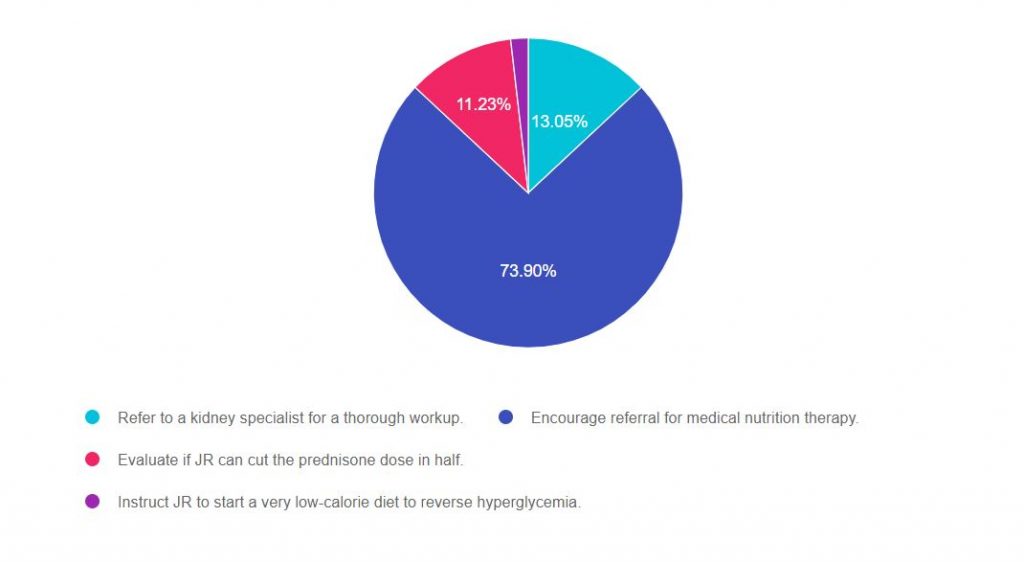
As shown above, the most common choice was option 2, the second most common answer was option 1, then option 3, and finally option 4.
If you are thinking about taking the certification exam, the content of this practice test question will set you up for success. The exam will present questions that require test takers to be familiar with identifying common diabetes co-conditions, screening guidelines and interventions.
Answer 1 is incorrect, 13.05% chose this answer, “Refer to a kidney specialist for a thorough workup.” As many as 10-40% of solid organ transplant recipients develop post-transplant diabetes (PTDM). This is due to a combination of genetic susceptibility plus the anti-rejection medications, including steroid therapy (see slide below). Since JRs kidney function is terrific based on his GFR and creatinine, referring to a kidney specialist is not warranted. However, referring to DSME is high on the list of priorities.
Answer 2 is correct, 73.90% of you chose this answer, “Encourage referral for medical nutrition therapy.” YES, this is the BEST answer. For any person experiencing post-transplant diabetes, they will need a referral to an RD/RDN and DSME program to learn diabetes self-management strategies. They will also need medication therapy, but there is currently no standard treatment approach due to the complexities of mixing transplant medications with diabetes therapies. However, insulin therapy is a safe and effective option for those experiencing post-transplant hyperglycemia.
Answer 3 is incorrect, 11.23% of you chose this answer, “Evaluate if JR can cut the prednisone dose in half.” Prednisone therapy is a critical intervention to prevent post-transplant rejection. For this reason, maintaining prednisone therapy is a priority. Diabetes specialists can help determine strategies to keep glucose on target to prevent infection, support graft health and limit other complications.
Answer 4 is incorrect, 1.82% of you chose this answer, “Instruct JR to start a very low-calorie diet to reverse hyperglycemia.” To maintain graft function and quality of life post-transplant, a very low-calorie diet is not recommended. To address this JR’s treatment plan will include a combination of healthy eating, activity plus diabetes medications.
We hope you appreciate this week’s rationale! Thank you so much for taking the time to answer our Question of the Week and participate in this fun learning activity!

Diabetes Education Services Online University Courses are an excellent way to study for your exam anytime and anywhere that is convenient for you. You will have immediate access to your courses for 1 year after your purchase date. Each individual online course includes a: 90-minute video presentation, podcast, practice test, and additional resources.
This course integrates the ADA Standard of Care on elements of a comprehensive medical assessment (Standard 4) of the individual living with prediabetes, diabetes, or hyperglycemia. Through case studies and real-life situations, we discover often hidden causes of hyperglycemia and other complications, such as liver disease, sleep apnea, pancreatitis, autoimmune diseases, fractures, and more. We delve into therapy for complicated situations and discuss management strategies for other conditions associated with hyperglycemia such as Cystic Fibrosis, and Transplants. Join us for this unique and interesting approach to assessing and evaluating the hidden complications of diabetes.
Topics Include:
Intended Audience: A great course for healthcare professionals who want to learn the steps involved in providing a thorough lower extremity assessment.
Instructor: Beverly Thomassian RN, MPH, CDCES, BC-ADM is a working educator and a nationally recognized diabetes expert.
Can’t join live? No worries, we will record the webinar and post it to the Online University!
Sign up for Diabetes Blog Bytes – we post one daily Blog Byte from Monday to Friday. And of course, Tuesday is our Question of the Week. It’s Informative and FREE! Sign up below!
[yikes-mailchimp form=”1″]
Accreditation: Diabetes Education Services is an approved provider by the California Board of Registered Nursing, Provider 12640, and Commission on Dietetic Registration (CDR), Provider DI002. Since these programs are approved by the CDR it satisfies the CE requirements for the CDCES regardless of your profession.*
The use of DES products does not guarantee the successful passage of the CDCES exam. CBDCE does not endorse any preparatory or review materials for the CDCES exam, except for those published by CBDCE.
A new aqueous glucagon analog formulation has been FDA approved and should be available in pharmacies later this year.
Dasiglucagon (Zegalogue) is an effective, reliable treatment to increase glucose levels following insulin-induced hypoglycemia in children and adolescents with type 1 diabetes. This conclusion is based on a double-blind study recently published in Diabetes Care, April 2021.
This ready-to-use, next-generation formulation is approved for ages 6 or older. Subcutaneous injection sites include the abdomen, buttocks, thighs, and upper arms. This prefilled syringe contains a stable liquid glucagon analog and can be stored for one year at room temperature.
The investigators report that dasiglucsagon treatment was well tolerated, with the usual adverse effects (nausea and vomiting) expected from glucagon treatment.
The dose of dasiglucagon is 0.6 mg to treat severe hypoglycemia in pediatrics over the age of 6 years and adults with diabetes. Download our Glucagon PocketCard to post and share with colleagues and people living with diabetes.
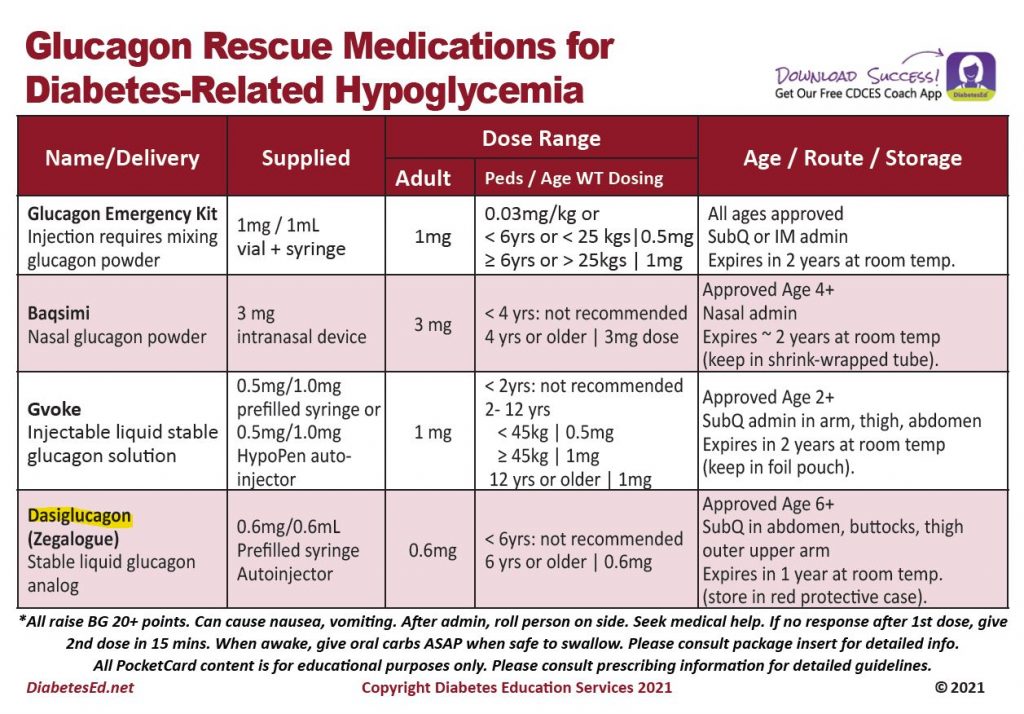
As with all glucagon injections, dasiglucagon can cause nausea and vomiting. After the dose is administered, roll the person on the side and seek medical help. When awake, give oral carbohydrates ASAP when safe to swallow, and consult package insert for detailed guidelines!
Preventing Future Episodes of Hypoglycemia
Most importantly, encourage people experiencing a severe low blood sugar to determine the cause of the hypoglycemic event and implement strategies to prevent future lows. Our free Glucagon Card is the perfect teaching tool to help reinforce prevention and early action!
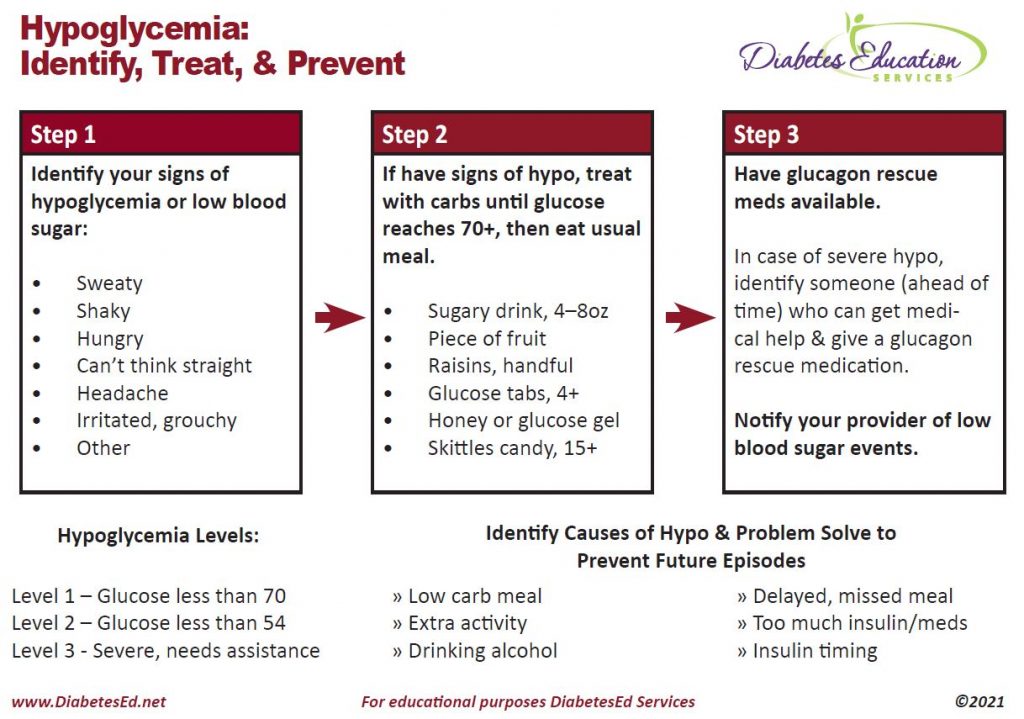
Thank you for helping get the word out about these rescue medications for severe hypoglycemia. This hormone injection saves lives and is a must-have for anyone living with type 1 diabetes or those with type 2 on intensive insulin therapy.
Want to learn more about this topic? Join us for our

Why do the blood sugars keep dropping after meals? Is the basal insulin set correctly? What adjustments are needed for exercise?
During this 60 -90 minute webinar Coach, Beverly addresses each of these glucose mysteries and more, using a person-centered approach. She describes a stepwise approach to evaluate glucose patterns and correct common issues encountered by people living with type 1 diabetes.
By attending this webinar, you will gain confidence in evaluating glucose patterns and making recommendations for improvement.
Objectives
Including Brand New Specialty Courses!
Can’t join live? No worries, we will record the webinar and post it to the Online University!
Sign up for Diabetes Blog Bytes – we post one daily Blog Byte from Monday to Friday. And of course, Tuesday is our Question of the Week. It’s Informative and FREE! Sign up below!
[yikes-mailchimp form=”1″]
Accreditation: Diabetes Education Services is an approved provider by the California Board of Registered Nursing, Provider 12640, and Commission on Dietetic Registration (CDR), Provider DI002. Since these programs are approved by the CDR it satisfies the CE requirements for the CDCES regardless of your profession.*
The use of DES products does not guarantee the successful passage of the CDCES exam. CBDCE does not endorse any preparatory or review materials for the CDCES exam, except for those published by CBDCE.
RT is 33 years old and has had diabetes for the past 20 years. RT uses an insulin pump and CGM and works hard to keep A1cs less than 7%. Their most recent A1c increased to 7.9% and RT sets up an appointment with the diabetes specialist for help. After downloading the report, the specialist thinks they have discovered the reason behind the increasing A1c.
Which of the following would most likely explain the A1c increase?
Click here to test your knowledge!
Want to learn more about this topic? Join us for our
Why do the blood sugars keep dropping after meals? Is the basal insulin set correctly? What adjustments are needed for exercise?
During this 60 -90 minute webinar Coach, Beverly addresses each of these glucose mysteries and more, using a person-centered approach. She describes a stepwise approach to evaluate glucose patterns and correct common issues encountered by people living with type 1 diabetes.
By attending this webinar, you will gain confidence in evaluating glucose patterns and making recommendations for improvement.
Objectives
Can’t join live? No worries, we will record the webinar and post it to the Online University!
Sign up for Diabetes Blog Bytes – we post one daily Blog Byte from Monday to Friday. And of course, Tuesday is our Question of the Week. It’s Informative and FREE! Sign up below!
[yikes-mailchimp form=”1″]
Accreditation: Diabetes Education Services is an approved provider by the California Board of Registered Nursing, Provider 12640, and Commission on Dietetic Registration (CDR), Provider DI002. Since these programs are approved by the CDR it satisfies the CE requirements for the CDCES regardless of your profession.*
The use of DES products does not guarantee the successful passage of the CDCES exam. CBDCE does not endorse any preparatory or review materials for the CDCES exam, except for those published by CBDCE.
Happy National Nurses Day and Week!
When I was considering college as a teenager, my dad offered me some simple advice, “Why don’t you become a nurse?” I rolled my eyes and said, “Nah, I am going to be a social worker.” Four years later, I stood proudly with my white cap and nursing pin securely fastened as an RN graduate.
As I reflect on my years in this noble profession, I have witnessed the most unselfish acts of love and pure heroism by my nursing colleagues. 2020 -2021 have been rough times for the four million nurses in the United States.
Nurses have not wavered from their commitment to providing care to even the sickest among us.
Like the founder of nursing, Florence Nightingale, nurses are “Holding the Lamp” and shining it in dark places that are scary and unknown to provide comfort to those who need it most.
In this newsletter, we celebrate Nurses.
Has a nurse touched your life? Check out our blog on 5 ways you can show thanks. Did you know that in addition to founding nursing, Florence Nightingale was a statistics whiz? You can discover more about this trailblazer in the blog below.
This newsletter also offers a fresh perspective on using the plate method to encourage healthy eating while promoting the pleasure of eating.
Also, we all know that living with type 1 diabetes isn’t easy. We are hopeful that you can help us get the word out about a study geared toward not only supporting people with type 1 but providing them with excellent information and problem-solving coaching. Read more about the Embark Study below and thank you for sharing this unique opportunity with those living with type 1 diabetes.
Finally, we are excited to share an updated approach to managing diabetes in the hospital setting and encourage you to take a look at our question and rationale of the week.
Thank you nurses for the love and care you provide every day!
Coach Beverly, Bryanna, and Jackson
Click here to read our full May 2021 newsletter.
Featured Blogs
Featured Items
Sign up for Diabetes Blog Bytes – we post one daily Blog Byte from Monday to Friday. And of course, Tuesday is our Question of the Week. It’s Informative and FREE! Sign up below!
[yikes-mailchimp form=”1″]
Accreditation: Diabetes Education Services is an approved provider by the California Board of Registered Nursing, Provider 12640, and Commission on Dietetic Registration (CDR), Provider DI002. Since these programs are approved by the CDR it satisfies the CE requirements for the CDCES regardless of your profession.*
The use of DES products does not guarantee the successful passage of the CDCES exam. CBDCE does not endorse any preparatory or review materials for the CDCES exam, except for those published by CBDCE.