Subscribe
eNewsletter

Ready to get certified?
Free CDCES Coach App

eNewsletter
Free CDCES Coach App
Free Med Pocket Cards
Artificial intelligence (AI) is transforming diabetes prevention, monitoring, and management. As clinical care tasks and data grow exponentially, providers and individuals living with or at risk for diabetes seek ways to optimize timely, personalized, and effective care.1
AI can support this by enabling screening and imaging, risk predictions, AI-enhanced devices, individualized self-management tools, and clinical support.1 Because diabetes care requires individualized rather than one-size-fits-all treatment, integrating clinical, behavioral, and lifestyle data with AI could reduce routine data review, allowing providers to focus on meaningful conversations, shared decision-making, and personalized goal-setting. Used thoughtfully, AI could support clinical expertise and strengthen, not replace, the human element that is essential to effective care.

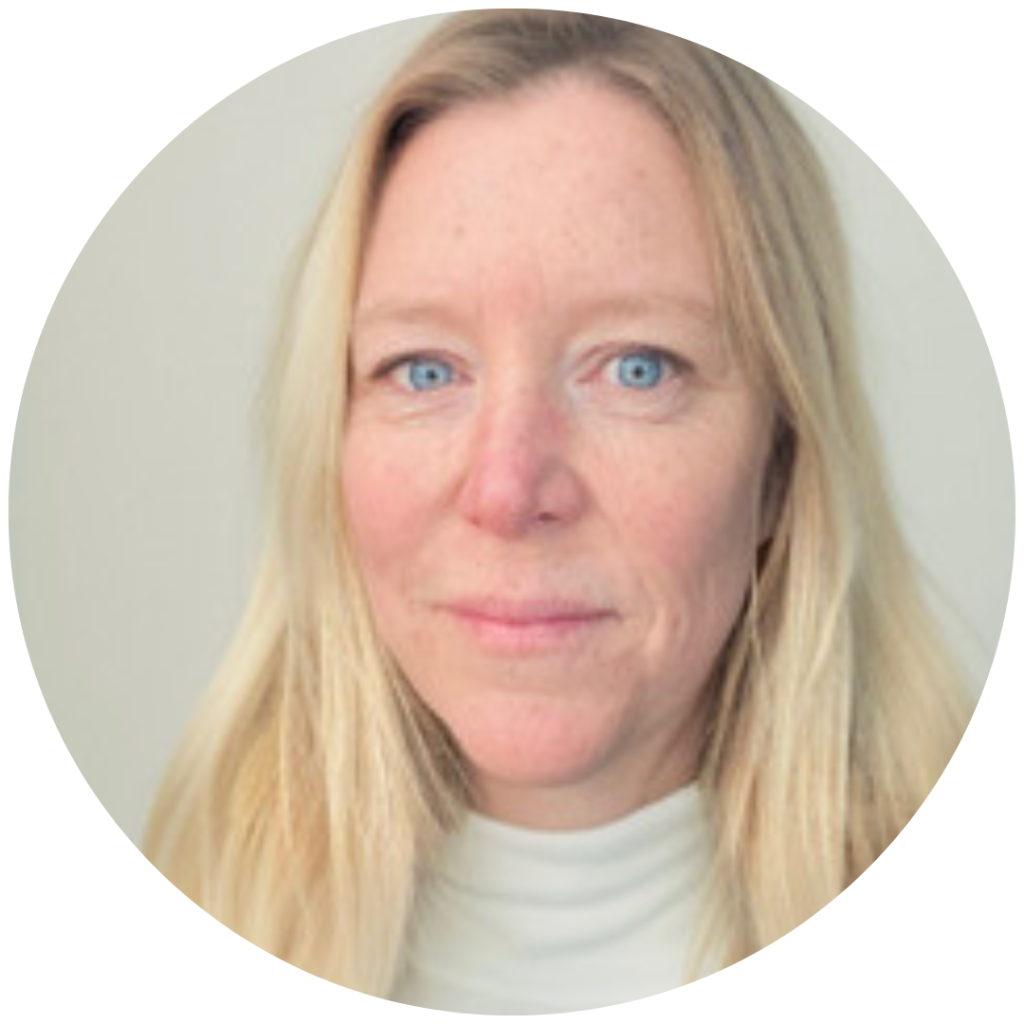
Author: Christine Craig, MS, RDN, CDCES
Founder: Nutrition for Daily Living
For decades, diabetes management relied on retrospective data, reviewing information such as lab results, glucose logs, food records, and medication histories to understand what had occurred. When I began in diabetes care over 20 years ago, we had only a few computer-generated reports and logbooks, and gathering and interpreting the data took time. We used checklists to ensure labs, vitals, risk assessments, and preventive measures were completed.
Now, rather than spending appointment time on checklists and handwritten logs, we can start each visit with a comprehensive summary of key diabetes assessments and clinical care tasks. Integrated reminders, concise summaries, and data platforms enable a much quicker transition to intervention discussions.
In practice, we already use platforms like Dexcom Clarity, Abbott LibreView, MiniMed CareLink, Tandem source, Omnipod Glooko, and Tidepool, which use algorithms to analyze glucose patterns and generate insights for clinicians and device users. Data from CGMs, activity trackers, sleep monitors2, and insulin delivery systems can reveal patterns that were nearly impossible to detect within the time constraints of 20 years ago. Conversations now shift from, “What happened here?” to, “What can we learn from these patterns for future considerations?”
During diabetes care visits, AI-powered ambient scribes (such as Dragon CoPilot, Ambience, Heidi AI, Freed, and other EHR-embedded scribes)3 can assist with documentation by summarizing key elements of the conversation. Because this significantly reduces time spent at the computer, providers can focus more on the individual. Based on my experience, this reduction in administrative burden also enables deeper shared decision-making regarding management adjustments, health behavior changes, barriers, and concerns.
Following the visit, ambient scribes can organize information into a clear, personalized after-visit summary that reinforces key recommendations, action steps, and education provided. However, accuracy remains a concern; large language models (LLMs) generating discharge summaries were shown to contain errors, though the risk of harm was assessed as low1.
From a dietitian’s perspective, LLMs can also help create individualized nutrition resources tailored to food choices, culture, and clinical needs. Instead of providing a generic meal plan, tools like ChatGPT, Gemini, and EHR-embedded AI can generate meal ideas, recipe modifications, or personalized food lists. A recent study using ChatGPT (GPT-5 version)4 found that ChatGPT could approximate carbohydrate targets but had limitations in accuracy when balancing multiple dietary requirements simultaneously (such as carbohydrate percentage, total calories, and meal planning constraints).
LLMs’ effectiveness and accuracy can improve with well-designed prompts that provide clinical context, specific goals, and defined constraints, but clinical review and oversight are recommended. Prompts may often require refinement, and LLMs simply react to input words, leading to hallucinations5.
AI can extend support beyond the diabetes clinical visit with tracking tools that can provide users with summarized insights. Examples of food photo interpretation and glucose trackers include SNAQ, UnderMyFork,6 Glucose Buddy, GlucoAI, and Freestyle Libre Assist. While these apps can still have errors and inaccuracies, these tools may help with understanding meal components beyond carbohydrates, such as the impacts of food type and protein, fat, and fiber content.
ChatGPT, Gemini, and Claude are also being used for carbohydrate counting, and a recent study compared these LLMs with expert dietitians for carbohydrate estimation from meal photographs. Across 30 meals, dietitians had the lowest mean absolute error (13 ± 10 g), followed by ChatGPT (20 ± 18 g), Claude (23 ± 21 g), and Gemini (28 ± 26 g). L.7
In addition to tracking, between-visit AI support may improve outcomes. A recent randomized controlled trial8 found that a fully automated AI-driven Diabetes Prevention Program achieved weight loss and glycemic improvements similar to those of a human coach in adults with prediabetes and overweight or obesity.
However, AI has important limitations. It may generate inaccurate recommendations, overlook complex medical conditions, or fail to recognize economic, cultural, and racial disparities or emotional and behavioral challenges that influence diabetes self-management.1
Future AI-enabled clinical diabetes care could feature the use of a digital twin, a virtual model that simulates an individual’s glucose patterns, meals, activity, medications, sleep, genetics, and prior treatment responses to predict the physiological impacts of proposed changes.1
For example, clinicians might ask, “Based on this person’s metabolic history and patterns, what if we reduce breakfast carbohydrates, start a GLP-1 medication, modify insulin, or adjust activity?” In these scenarios, the digital twin can inform what-if considerations.
A recent systematic review9 of 4 studies involving 2,662 adults with type 2 diabetes found that digital twin-based interventions improved glycemic management and reduced treatment burden, including significant reductions in diabetes medications and improvements in time in range.
While these findings are promising, evidence remains limited, and further research is needed to validate these applications in diverse populations.
Artificial intelligence is evolving diabetes care.
AI-powered tools help organize health data, reduce administrative tasks, identify patterns and make predictions, personalize nutrition and treatment strategies, and extend support between visits.
While AI enhances diabetes management and prevention, its value is supported by clinical expertise, compassion, and personalized care.
The Academy of Nutrition and Dietetics and the American Society of Nutrition published a 2026 resource guide for practitioners. This guide provides basic definitions of the different types of AI models and how these types are translated into practice. This publication links to a few educational and professional development courses specific to AI and valuable for all diabetes care providers. Check it out here.
 Author: Christine Craig, MS, RDN, CDCES
Founder: Nutrition for Daily Living

🌟Updated Schedule: ADA Boot Camp, Tech, MNT & More
Live in Beautiful San Diego – Oct 22-23, 2026
Re-Ignite your Passion & Prepare for Diabetes Certification Exams
🎓 Earn 30+ CEs: AMA PRA Category 1 Credits™, ACPE, ANCC, and CDR!
📅
2-Day Conference
Oct 22–23, 2026
⏱️
15.5 Live CEs
+ 17 bonus CEs
🏅
CDCES & BC-ADM
Exam Prep + Renewal
📍
San Diego, CA
1.7 mi from airport
The field of diabetes care is expanding and evolving rapidly. This unique training conference will keep you on the cutting edge plus prepare you for certification exams. It also fulfills the Standards of Care renewal requirement. Join us for two days of intensive education that is fun and inspiring. Add on the optional Day 3 (Engaging the Disengaged), to complete your conference exeperience.
Coach Beverly and Diana Isaacs, PharmD, BC-ADM, CDCES co-lead an exciting day that brings the ADA and AACE Standards to life. Gain fresh insights, practical tools, and a deeper understanding of the latest in person-centered diabetes care. After attending, you will be empowered to share the latest in diabetes care with your colleagues and the people in your care.
Take your knowledge to the next level with this intensive deep-dive into insulin therapy, dosing and pattern management with Dr. Diana Isaacs. Next, stay for the diabetes tech show-and-tell as Diana demonstrates the specs of the latest pumps and sensors. After lunch, nutrition whiz Christine Craig, MS, RDN, CDCES expertly details the latest in MNT and provides real strategies on translating this content to your clinical practice. You will have a chance to put it all together as Coach Beverly leads you through a series of case studies that integrates content from Day 1 and Day 2.
On Saturday, join this exceptional day-long program led by William H. Polonsky, PhD, CDCES & Susan Guzman, PhD (Behavioral Diabetes Institute) that reveals psychosocial forces behind diabetes self-management — tools to break through resistance and inspire change.
Read more below
📜 Essentials
Registration
+ Printed Syllabus
$559.00
🌟 Deluxe
Essentials
+ ADA Standards Book
$589.00
🏆 Complete – Best Value!
Deluxe
+ ADCES Review Guide e-Book
$669.00

Transform how you engage patients with diabetes — master behavior change, reduce distress, and overcome medication hesitancy.
Why do so many patients know what they should do — but still struggle to do it?
The answer lies in the psychology of diabetes.
In this transformative full-day course, world-renowned experts William H. Polonsky, PhD, CDCES, and Susan Guzman, PhD, from the Behavioral Diabetes Institute reveal the hidden psychosocial forces that drive — or derail — diabetes self-management.
You’ll walk away with a completely new toolkit for breaking through patient resistance, dissolving medication hesitancy, and creating clinical encounters that actually inspire change!
October is one of the best times to head to San Diego. The weather is gorgeous, the summer crowds are winding down, and there’s one more important reason to visit: our wildly popular DiabetesEd Training Conference is coming back to Liberty Station!
Located just minutes from the San Diego airport, this conference site is the perfect place to learn, connect, recharge, and have fun.
During the conference, you’ll have the opportunity to meet Rachel and Laura, our inspiring “Making a Difference” Scholarship recipients, expand your clinical knowledge with our expert teaching trio – Coach Bev, Diana Isaacs, and Christine Craig – network with fellow diabetes healthcare professionals, and, of course, win prizes!
So invite your colleagues, bring your family. 🏖️ Learn and connect during the day, then head out and enjoy beautiful SD at night.
And this year, we’re adding something new! For the first time ever, we’ll have an on-site photo booth 📸complete with fun props, thanks to the creative inspiration of Missy Hodges.
But plenty is happening even before we get to San Diego.
In this mid-month newsletter, we’re celebrating our deserving Scholarship 🧑🎓 recipients, sharing upcoming FREE Certification Webinars, and inviting you to join nationally recognized expert, Marie Frazzitta, for a timely exploration of the shift toward value-based care and digital outcomes metrics. Don’t miss Marie’s FREE webinar on September 30th and discover how diabetes healthcare professionals can join the transformation toward value-based care.
We hope to see you online in August & September—and in sunny San Diego 🌴 in October!
With hearts full of gratitude,
Coach Beverly, Bryanna, Ashlie, and Katarina

As a nutritionist, Laura serves primarily Spanish-speaking older adults living with diabetes, many of whom face food insecurity, transportation barriers, and limited access to care. Through culturally responsive education, motivational interviewing, and thoughtful listening, she helps people feel heard and empowered.
Laura hopes as a first-generation Latina, to gain CDCES certification and continue to provide culturally responsive education and expand access to compassionate diabetes care in her community.
Rachel has served rural Comanche County in Texas for 25 years, providing diabetes care through an outpatient clinic, community screenings, and monthly volunteer work at a free clinic serving local dairy workers. She is committed to bringing diabetes care and education to an area where “folks are hungry for information” but access is limited. Her goal is to help people change outcomes through education, establish a sustainable diabetes education program, and leave “a legacy of health” for the community she has dedicated her career to serving.
🌟Updated Schedule: ADA Boot Camp, Tech, MNT & More
Live in Beautiful San Diego – Oct 22-23, 2026
Re-Ignite your Passion & Prepare for Diabetes Certification Exams
🎓 Earn 30+ CEs: AMA PRA Category 1 Credits™, ACPE, ANCC, and CDR!
📅
2-Day Conference
Oct 22–23, 2026
⏱️
15.5 Live CEs
+ 17 bonus CEs
🏅
CDCES & BC-ADM
Exam Prep + Renewal
📍
San Diego, CA
1.7 mi from airport
The field of diabetes care is expanding and evolving rapidly. This unique training conference will keep you on the cutting edge plus prepare you for certification exams. It also fulfills the Standards of Care renewal requirement. Join us for two days of intensive education that is fun and inspiring. Add on the optional Day 3 (Engaging the Disengaged), to complete your conference exeperience.
Coach Beverly and Diana Isaacs, PharmD, BC-ADM, CDCES co-lead an exciting day that brings the ADA and AACE Standards to life. Gain fresh insights, practical tools, and a deeper understanding of the latest in person-centered diabetes care. After attending, you will be empowered to share the latest in diabetes care with your colleagues and the people in your care.
Take your knowledge to the next level with this intensive deep-dive into insulin therapy, dosing and pattern management with Dr. Diana Isaacs. Next, stay for the diabetes tech show-and-tell as Diana demonstrates the specs of the latest pumps and sensors. After lunch, nutrition whiz Christine Craig, MS, RDN, CDCES expertly details the latest in MNT and provides real strategies on translating this content to your clinical practice. You will have a chance to put it all together as Coach Beverly leads you through a series of case studies that integrates content from Day 1 and Day 2.
On Saturday, join this exceptional day-long program led by William H. Polonsky, PhD, CDCES & Susan Guzman, PhD (Behavioral Diabetes Institute) that reveals psychosocial forces behind diabetes self-management — tools to break through resistance and inspire change.
Read more below
📜 Essentials
Registration
+ Printed Syllabus
$559.00
🌟 Deluxe
Essentials
+ ADA Standards Book
$589.00
🏆 Complete – Best Value!
Deluxe
+ ADCES Review Guide e-Book
$669.00
Transform how you engage patients with diabetes — master behavior change, reduce distress, and overcome medication hesitancy.
Why do so many patients know what they should do — but still struggle to do it?
The answer lies in the psychology of diabetes.
In this transformative full-day course, world-renowned experts William H. Polonsky, PhD, CDCES, and Susan Guzman, PhD, from the Behavioral Diabetes Institute reveal the hidden psychosocial forces that drive — or derail — diabetes self-management.
You’ll walk away with a completely new toolkit for breaking through patient resistance, dissolving medication hesitancy, and creating clinical encounters that actually inspire change!
Taking the BC-ADM? Register for the BC-ADM Bundle
Then Join us August 19th @ 11:30am PST!
Coach Beverly identified several advanced topics that deserved additional attention to boost healthcare professionals’ readiness for the exam.
She created a series of FREE 20 to 30-minute mini-webinars and added them to our BC-ADM Boot Camp. These new webinars focus on these high-yield content areas, filling the gaps and completing your BC-ADM Boot Camp experience.

Join us August 20th @ 11:30 am PST! Invite your colleagues!!
Is your goal to take the CDCES exam in the next 6 months?
In this FREE, information-packed webinar, Coach Beverly will guide you through the examination process, review sample test questions, and explain the reasoning behind selecting the best answers. You’ll gain valuable insights into the exam content while building the knowledge, skills, and confidence you need to succeed.
Join us August 25th @ 11:30am PST! There’s still time to register!!
Elevate your career with the BC-ADM credential!
This FREE webinar goes over the Board Certification in Advanced Diabetes Management (BC-ADM). Highlighting your clinical decision-making and advanced management skills in diabetes care. Earning your BC-ADM is an ideal way to showcase your ability to manage the complex needs of people living with diabetes.

Visit our FREE Webinars Page or Online Store at DiabetesEd.net.
For more information or any questions, please email [email protected].
🌟Updated Schedule: ADA Boot Camp, Tech, MNT & More
Live in Beautiful San Diego – Oct 22-23, 2026
Re-Ignite your Passion & Prepare for Diabetes Certification Exams
🎓 Earn 30+ CEs: AMA PRA Category 1 Credits™, ACPE, ANCC, and CDR!
📅
2-Day Conference
Oct 22–23, 2026
⏱️
15.5 Live CEs
+ 17 bonus CEs
🏅
CDCES & BC-ADM
Exam Prep + Renewal
📍
San Diego, CA
1.7 mi from airport
The field of diabetes care is expanding and evolving rapidly. This unique training conference will keep you on the cutting edge plus prepare you for certification exams. It also fulfills the Standards of Care renewal requirement. Join us for two days of intensive education that is fun and inspiring. Add on the optional Day 3 (Engaging the Disengaged), to complete your conference exeperience.
Coach Beverly and Diana Isaacs, PharmD, BC-ADM, CDCES co-lead an exciting day that brings the ADA and AACE Standards to life. Gain fresh insights, practical tools, and a deeper understanding of the latest in person-centered diabetes care. After attending, you will be empowered to share the latest in diabetes care with your colleagues and the people in your care.
Take your knowledge to the next level with this intensive deep-dive into insulin therapy, dosing and pattern management with Dr. Diana Isaacs. Next, stay for the diabetes tech show-and-tell as Diana demonstrates the specs of the latest pumps and sensors. After lunch, nutrition whiz Christine Craig, MS, RDN, CDCES expertly details the latest in MNT and provides real strategies on translating this content to your clinical practice. You will have a chance to put it all together as Coach Beverly leads you through a series of case studies that integrates content from Day 1 and Day 2.
On Saturday, join this exceptional day-long program led by William H. Polonsky, PhD, CDCES & Susan Guzman, PhD (Behavioral Diabetes Institute) that reveals psychosocial forces behind diabetes self-management — tools to break through resistance and inspire change.
Read more below
📜 Essentials
Registration
+ Printed Syllabus
$559.00
🌟 Deluxe
Essentials
+ ADA Standards Book
$589.00
🏆 Complete – Best Value!
Deluxe
+ ADCES Review Guide e-Book
$669.00
Transform how you engage patients with diabetes — master behavior change, reduce distress, and overcome medication hesitancy.
Why do so many patients know what they should do — but still struggle to do it?
The answer lies in the psychology of diabetes.
In this transformative full-day course, world-renowned experts William H. Polonsky, PhD, CDCES, and Susan Guzman, PhD, from the Behavioral Diabetes Institute reveal the hidden psychosocial forces that drive — or derail — diabetes self-management.
You’ll walk away with a completely new toolkit for breaking through patient resistance, dissolving medication hesitancy, and creating clinical encounters that actually inspire change!

Author: Ashlie Sabourin
Customer Advocate
Artificial Intelligence (AI) for CDCES and BC-ADM Exam Prep – Benefits & Cautions
AI for CDCES and BC-ADM exam prep is becoming increasingly popular among healthcare professionals and certification candidates. Tools such as ChatGPT and Copilot can help learners create study guides, generate practice questions, explain difficult concepts, and organize educational materials.
Used thoughtfully, AI for CDCES and BC-ADM exam prep can be a valuable study aid. However, AI-generated content may be outdated, oversimplified, incomplete, or incorrect. AI works best as a supplemental learning tool alongside evidence-based resources, clinical judgment, and trusted educational materials.
The strongest learners combine AI-assisted exam preparation with critical thinking, information verification, and trusted clinical references.
The most important factors affecting the quality of AI-generated content is the quality of the prompt.
Vague prompts often produce broad, generic results. More specific prompts typically generate more focused and useful responses.
“Make me a diabetes study guide.”
The more context you provide, the more useful the output is likely to be.
Healthcare recommendations change over time. Including the current year in your prompt can help focus AI responses on more recent information.
Examples:
This simple step may reduce the likelihood of receiving outdated information.
The safest and most effective ways to use AI is by working directly from trusted educational content.
Examples include:
Rather than asking AI to search broadly for information, consider providing educational content directly and asking AI to help organize it.
For example:
A webinar transcript discussing insulin management.
Example prompts:
This approach allows learners to maximize the value of trusted educational resources while tailoring materials to their preferred learning style.
One of the most powerful uses of AI for exam preparation is creating active learning tools.
Many learners spend hours rereading notes. While review is important, active recall often improves retention more effectively.
Active recall requires learners to retrieve information from memory rather than simply rereading content.
AI can quickly generate:
Front:
What is the ADA Time in Range (TIR) goal for most adults with diabetes?
Back:
Greater than 70% of glucose readings between 70–180 mg/dL.
Front:
A patient using basal insulin has fasting glucose within target but elevated post-meal readings. What might be some treatment options?
Back:
To improve postprandial glucose, review MNT, activity levels, consider adding a GLP-1 or GLP-1/GIP combo medication, or bolus insulin before meals.
Example prompts:
Download our Medication PocketCards
AI is most effective when used interactively rather than passively.
Instead of accepting the first response, continue the conversation.
Helpful follow-up questions include:
These types of questions encourage deeper understanding and clinical reasoning rather than memorization alone.
AI can also help:
AI tools may draw information from a variety of online sources. Whenever possible, direct AI to prioritize reputable clinical references.
Examples include:
You can also include instructions such as:
Providing source guidance often improves the quality and reliability of AI-generated content.
AI-generated content should always be reviewed critically.
AI can occasionally provide inaccurate information with a high degree of confidence. Independent verification is especially important in healthcare education.
Always verify:
Continue to rely on trusted resources such as:
AI can be a valuable addition to your study toolkit when used thoughtfully and responsibly. By combining AI-assisted learning with trusted educational resources, evidence-based references, and critical thinking, learners can create personalized study materials while maintaining confidence in the accuracy and quality of the information they are reviewing.
The goal is not to replace traditional study methods—it is to enhance them.
🌟Updated Schedule: ADA Boot Camp, Tech, MNT & More
Live in Beautiful San Diego – Oct 22-23, 2026
Re-Ignite your Passion & Prepare for Diabetes Certification Exams
🎓 Earn 30+ CEs: AMA PRA Category 1 Credits™, ACPE, ANCC, and CDR!
📅
2-Day Conference
Oct 22–23, 2026
⏱️
15.5 Live CEs
+ 17 bonus CEs
🏅
CDCES & BC-ADM
Exam Prep + Renewal
📍
San Diego, CA
1.7 mi from airport
The field of diabetes care is expanding and evolving rapidly. This unique training conference will keep you on the cutting edge plus prepare you for certification exams. It also fulfills the Standards of Care renewal requirement. Join us for two days of intensive education that is fun and inspiring. Add on the optional Day 3 (Engaging the Disengaged), to complete your conference exeperience.
Coach Beverly and Diana Isaacs, PharmD, BC-ADM, CDCES co-lead an exciting day that brings the ADA and AACE Standards to life. Gain fresh insights, practical tools, and a deeper understanding of the latest in person-centered diabetes care. After attending, you will be empowered to share the latest in diabetes care with your colleagues and the people in your care.
Take your knowledge to the next level with this intensive deep-dive into insulin therapy, dosing and pattern management with Dr. Diana Isaacs. Next, stay for the diabetes tech show-and-tell as Diana demonstrates the specs of the latest pumps and sensors. After lunch, nutrition whiz Christine Craig, MS, RDN, CDCES expertly details the latest in MNT and provides real strategies on translating this content to your clinical practice. You will have a chance to put it all together as Coach Beverly leads you through a series of case studies that integrates content from Day 1 and Day 2.
On Saturday, join this exceptional day-long program led by William H. Polonsky, PhD, CDCES & Susan Guzman, PhD (Behavioral Diabetes Institute) that reveals psychosocial forces behind diabetes self-management — tools to break through resistance and inspire change.
Read more below
📜 Essentials
Registration
+ Printed Syllabus
$559.00
🌟 Deluxe
Essentials
+ ADA Standards Book
$589.00
🏆 Complete – Best Value!
Deluxe
+ ADCES Review Guide e-Book
$669.00
Transform how you engage patients with diabetes — master behavior change, reduce distress, and overcome medication hesitancy.
Why do so many patients know what they should do — but still struggle to do it?
The answer lies in the psychology of diabetes.
In this transformative full-day course, world-renowned experts William H. Polonsky, PhD, CDCES, and Susan Guzman, PhD, from the Behavioral Diabetes Institute reveal the hidden psychosocial forces that drive — or derail — diabetes self-management.
You’ll walk away with a completely new toolkit for breaking through patient resistance, dissolving medication hesitancy, and creating clinical encounters that actually inspire change!

Leading the Future: AI, Value-Based Care, and ADCES 2026
Do you have mixed feelings about Artificial Intelligence (AI)? In today’s rapidly shifting healthcare landscape, hesitation is completely natural. However, the practical potential of AI is proving hard to ignore. The potential to leverage AI to reduce healthcare providers’ administrative burdens, enhance precision medicine, and prioritize value-based care is incredibly promising. Who knows, AI might even serve as your future certification study tool.
In this issue, we tackle digital metrics, the application of AI in healthcare, and how diabetes care professionals can prepare for a changing future.
In our first article, nationally recognized expert, Marie Frazzitta, DNP, FNP, PMHNP, CDCES, MBA, explores the move toward value-based care, HEDIS, STAR ratings, and digital outcomes metrics. She details how diabetes specialists can step into leadership roles and be an active part of this transformation! Don’t miss her Free webinar on September 30th!
Continued below…
Next, Coach Bev considers how AI has the potential to reduce the level of overwhelm many clinicians feel so they can focus on what is most important – human connection. Our expert dietitian Christine Craig highlights the benefits of using AI from a nutrition professional’s perspective.
Lastly, our newest team member (and AI pro), Ashlie Sabourin, summarizes best practices and caveats for using AI as a diabetes certification study tool. Download our AI Cheat Sheet!
Finally, I am heading to Columbus, Ohio this Thursday for the national ADCES conference! I look forward to connecting with many of you there and bringing back fresh insights for our next newsletter and the upcoming San Diego Conference.
With hearts full of gratitude,
Coach Beverly, Bryanna, Ashlie, and Katarina
🌟Updated Schedule: ADA Boot Camp, Tech, MNT & More
Live in Beautiful San Diego – Oct 22-23, 2026
Re-Ignite your Passion & Prepare for Diabetes Certification Exams
🎓 Earn 30+ CEs: AMA PRA Category 1 Credits™, ACPE, ANCC, and CDR!
📅
2-Day Conference
Oct 22–23, 2026
⏱️
15.5 Live CEs
+ 17 bonus CEs
🏅
CDCES & BC-ADM
Exam Prep + Renewal
📍
San Diego, CA
1.7 mi from airport
The field of diabetes care is expanding and evolving rapidly. This unique training conference will keep you on the cutting edge plus prepare you for certification exams. It also fulfills the Standards of Care renewal requirement. Join us for two days of intensive education that is fun and inspiring. Add on the optional Day 3 (Engaging the Disengaged), to complete your conference exeperience.
Coach Beverly and Diana Isaacs, PharmD, BC-ADM, CDCES co-lead an exciting day that brings the ADA and AACE Standards to life. Gain fresh insights, practical tools, and a deeper understanding of the latest in person-centered diabetes care. After attending, you will be empowered to share the latest in diabetes care with your colleagues and the people in your care.
Take your knowledge to the next level with this intensive deep-dive into insulin therapy, dosing and pattern management with Dr. Diana Isaacs. Next, stay for the diabetes tech show-and-tell as Diana demonstrates the specs of the latest pumps and sensors. After lunch, nutrition whiz Christine Craig, MS, RDN, CDCES expertly details the latest in MNT and provides real strategies on translating this content to your clinical practice. You will have a chance to put it all together as Coach Beverly leads you through a series of case studies that integrates content from Day 1 and Day 2.
On Saturday, join this exceptional day-long program led by William H. Polonsky, PhD, CDCES & Susan Guzman, PhD (Behavioral Diabetes Institute) that reveals psychosocial forces behind diabetes self-management — tools to break through resistance and inspire change.
Read more below
📜 Essentials
Registration
+ Printed Syllabus
$559.00
🌟 Deluxe
Essentials
+ ADA Standards Book
$589.00
🏆 Complete – Best Value!
Deluxe
+ ADCES Review Guide e-Book
$669.00
Transform how you engage patients with diabetes — master behavior change, reduce distress, and overcome medication hesitancy.
Why do so many patients know what they should do — but still struggle to do it?
The answer lies in the psychology of diabetes.
In this transformative full-day course, world-renowned experts William H. Polonsky, PhD, CDCES, and Susan Guzman, PhD, from the Behavioral Diabetes Institute reveal the hidden psychosocial forces that drive — or derail — diabetes self-management.
You’ll walk away with a completely new toolkit for breaking through patient resistance, dissolving medication hesitancy, and creating clinical encounters that actually inspire change!
Invite Coach Beverly!
Keynotes | CE Courses | Worksite Training | Cert. Prep
Founder & CEO of DiabetesEd Services

Looking for a speaker who can deliver evidence-based diabetes education with energy, heart, and a dose of fun?
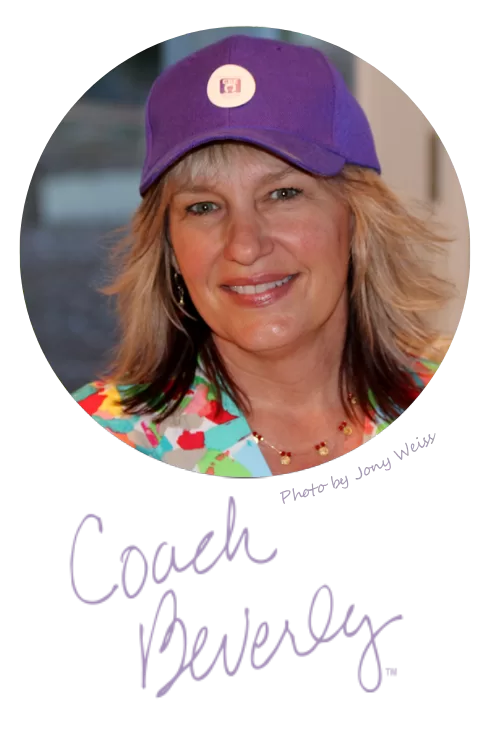
Invite Beverly Thomassian, RN, MPH, CDCES, BC-ADM (Coach Beverly) to your next conference, healthcare meeting, or professional education event.
Coach Beverly loves teaching in person, connecting with healthcare professionals, and transforming complex diabetes science into practical strategies clinicians can use right away. Her engaging presentations combine the latest evidence-based recommendations with memorable stories, real-world clinical cases, audience participation, Diabetes Bingo, movement breaks—and prizes!
Whether you are looking for an inspiring 60–90 minute keynote or an immersive full-day diabetes training, Coach Beverly can customize the experience for your audience.
Keynote Presentations
CE Courses
Worksite Training
Certification Prep
Coach Beverly is a nationally recognized diabetes nurse specialist, mentor, and author whose work bridges science, storytelling, and soul. With decades of experience, she is a passionate advocate for person-centered, inclusive care.
As founder of Diabetes Education Services™, Beverly has trained thousands of clinicians to achieve diabetes certification while championing a compassionate approach to healthcare.
Whether dancing through moments of self-doubt or coaching professionals toward success, Beverly leads with authenticity and heart.
Coach Beverly brings decades of clinical expertise, heartfelt storytelling, and a passion for human-centered care to every presentation.
Beverly offers keynote talks on her groundbreaking book “Healing Through Connection“, exploring how presence, empathy, and authenticity can transform the healthcare experience and support professional well-being.
She also provides a variety of evidence-based presentations on diabetes management, emerging therapies, ADA Standards of Care, and person-centered care approaches. Attendees leave with powerful insights on building meaningful connections with those they serve, their teams, and themselves.
To book Coach Beverly for your event, please email [email protected]. Or, you can call us at 530-893-8635.
To book Coach Beverly for your event, please email [email protected]. Or, you can call us at 530-893-8635.
Join us on August 19th, 2026, at 11:30 am PST, for the 2026 NEW FREE BC-ADM® Exam Success Mini-Webinars
After carefully reviewing the Board Certification in Advanced Diabetes Management (BC-ADM®) Examination Content Outline, Coach Beverly identified several advanced topics that deserved additional attention to boost healthcare professionals’ readiness for the exam.
She created a series of FREE 20 to 30-minute mini-webinars that focus on these high-yield content areas, filling the gaps and completing your BC-ADM Boot Camp experience.
Join Coach Beverly live on August 19 as she walks through these focused review sessions designed to strengthen your advanced clinical knowledge and boost your confidence before the December BC-ADM exam. Can’t attend live? No problem! Each BC-ADM® Exam Success Mini-Webinars will be recorded and added to Level 4 of the BC-ADM Boot Camp Bundle for on-demand access.
While these complimentary webinars do not include continuing education (CE) credit, they are packed with practical insights, exam-focused content, and advanced clinical pearls that will help you master complex concepts and prepare for BC-ADM success.
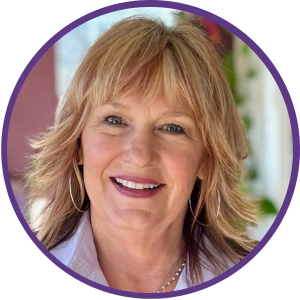
Author, Nurse, Educator, Clinician, and Innovator, Beverly has specialized in advanced diabetes management for over twenty years and has successfully passed the CDCES exam six times. As president and founder of Diabetes Education Services, Beverly is dedicated to optimizing diabetes care and improving the lives of those with diabetes.
“As a diabetes nurse specialist for over 30 years, few things have been as rewarding as advocating for high-quality care on behalf of people living with diabetes. Earning my BC-ADM 25 years ago wasn’t easy—it pushed me into unfamiliar territory that felt overwhelming at the start. But with time, this new knowledge became part of my DNA. Whether I’m seeing individuals at our rural clinic or designing new teaching slides, my BC-ADM continues to make me a better clinician, educator and advocate.”
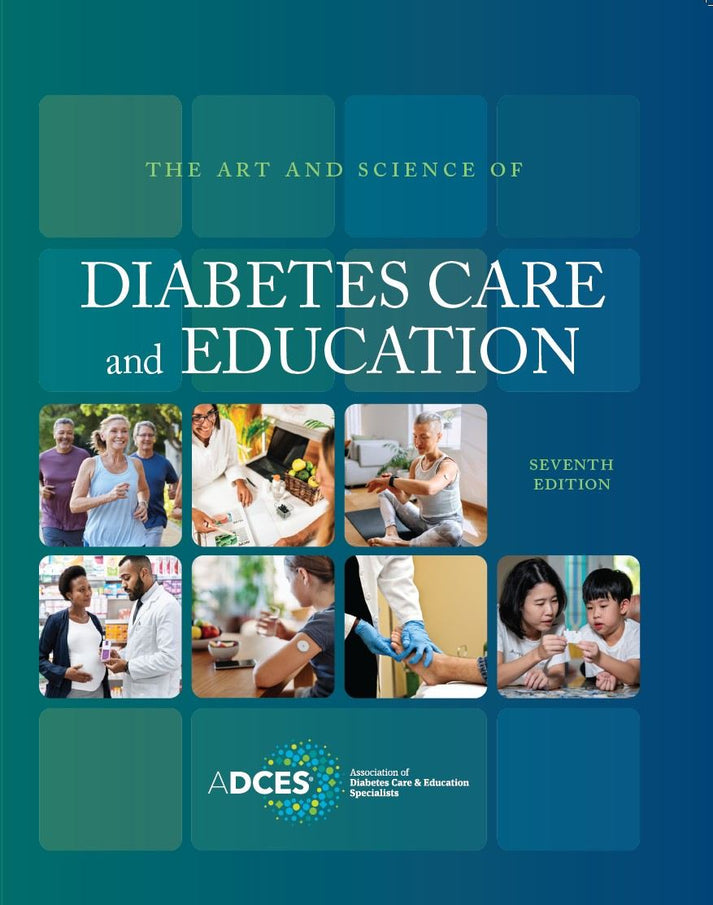
Exciting news: the New ADCES 7th Edition of the Review Guide and the Art and Science of Diabetes Care. If you are preparing to take your diabetes certification exams or need a comprehensive resource to refer to, these books are for you! Since we offer the e-version, you can order today and receive them in your inbox within 24 hours.
If you are considering taking the BC-ADM exam, 2026 may be your year. There are significant eligibility, renewal, and exam content changes coming in 2027 – so sign up to take your BC-ADM exam by November 1, 2026. Read more about the upcoming updates to the BC-ADM certification in Coach Bev’s article below. Or join her Free Prep for BC-ADM Webinar on July 29th.
Continued below…
Are you heading to the ADCES in Columbus, Ohio? If so, please stop by and say hi to Coach Beverly at either of her presentations.
On August 9th at 12:30, Coach Bev will be participating in a panel discussion on “Diabetes and Entrepreneurship”, led by the amazing Sarah Hormachea in the Exhibit Hall Learning Lab #3, Sunday, at 12:30pm. Grab your lunch and join us!
Also on Aug 9th at 2:30, Coach Bev will present “Healing through Connection,” a talk designed to allow diabetes health care professionals time to connect and share stories. There is so much to talk about. Hope to see you there!
Looking forward to connecting with all of you in person or virtually!
With hearts full of gratitude,
Coach Beverly, Bryanna, Ashlie, and Katarina
The Board Certification in Advanced Diabetes Management (BC-ADM) credential recognizes your clinical expertise and dedication to outstanding diabetes care.
Wondering What the Next Steps Are?
Join Coach Beverly for a FREE, information-packed webinar to map out your journey. Learn strategies to succeed at this mastery-level exam and map out your study journey. Plus, we will be adding in a special bonus section during the last 15 minutes.
Webinar airs July 29th at 11:30 am PST
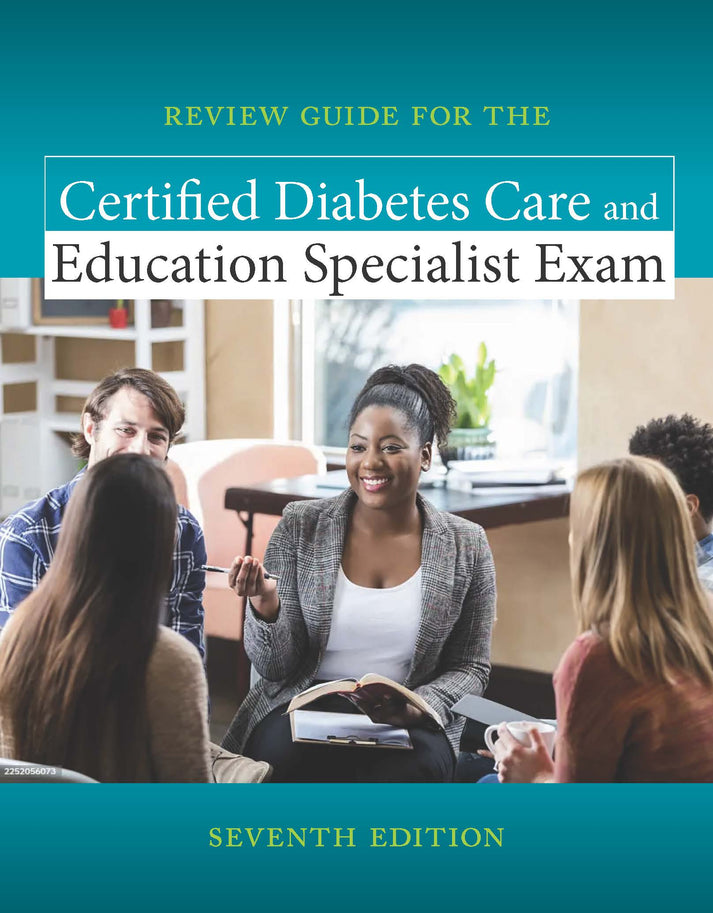
This Review Guide is a must-have for anyone preparing for the CDCES and the BC-ADM Exam. With over 500 sample test questions with rationale, you can quickly assess your strengths and make a plan to fill in knowledge gaps.
Book details:
This updated edition delivers evidence‑based guidance you can use right away and is a powerful tool for strengthening your clinical expertise and filling in knowledge gaps in preperation for diabetes certification exams.
Book details:
Original Pricing: Starting at $449
New Pricing: Starting at $399
Original Pricing: Starting at $459
New Pricing: Starting at $399
Original Pricing: Starting at $519
New Pricing: Starting at $499