

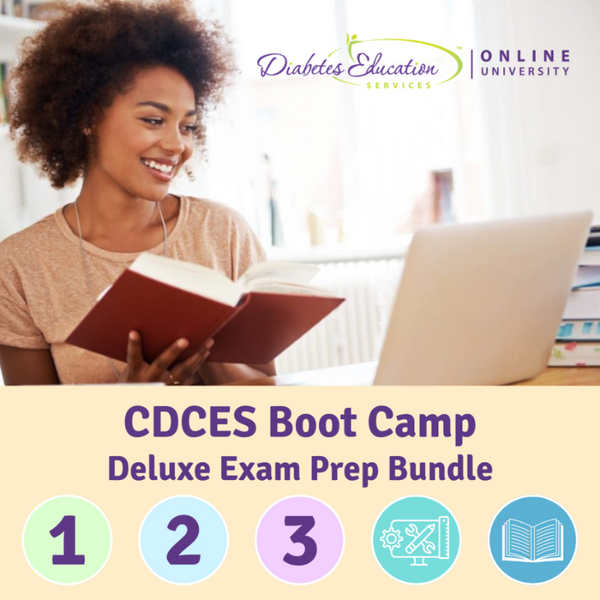


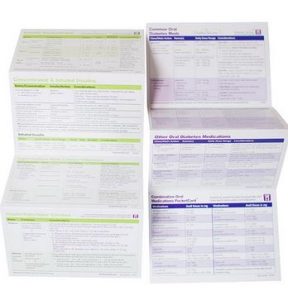
Preparing for the CDCES exam was a challenge, but Beverly’s bundle truly made the difference. The cheat sheets simplified complex concepts, the practice exams helped me identify gaps and build confidence, and the structured content tied everything together in a way that actually sticks. Studying with these resources—while actively working in clinical practice—allowed me to connect exam content to real-life patient care, which made the learning even more meaningful. I’m excited to take this knowledge and apply it directly to our new diabetes education program we are implementing for the Hispanic community. Empowering patients through culturally competent education is a passion of mine, and this preparation has helped set a strong foundation to do just that. Highly recommend Beverly’s resources to anyone pursuing their CDCES certification. I am incredibly grateful for the scholarship program, which made access to these resources possible for me. That support removed financial barriers and allowed me to fully focus on preparing for the CDCES exam. Opportunities like this truly make a difference, and I’m thankful to be able to carry this knowledge forward to better serve my community.

Passed my CDCES exam about a month ago. I got the BC-ADM materials – and they have been so helpful. Passing the exam was great but even better is how helpful they were and continue to be (I’m still working through some content) for my everyday practice as a dietitian in community healthcare. Would recommend to anyone – I’m a much better practitioner and coach Beverly makes the material engaging and come to life.
I purchased Beverly’s Bundles 1-3. I took all the tests and watched all videos except a few in Bundle 3. Purchases an ADCES Downloadable Practice exam and maybe did 200-300 of those questions. And I passed. While the education provided in Beverly’s courses helped me to pass, what I didn’t expect is that Beverly’s education would be so invaluable in my everyday practice! There have already been many instances where I was able to instantly help my clients instantly when I normally would’ve referred them back to their primary. I felt good to be able to help serve them in a way that allowed for less runaround. When our clients/patients come to us, it’s usually never just diabetes they need help with. I love that I now have some tools in my toolbox to address so many of their other concerns, so that they will have a better capacity to manage their diabetes well. And also, it feels great to be able to serve as a CDCES qualified team member. Thank you, Beverly and team.
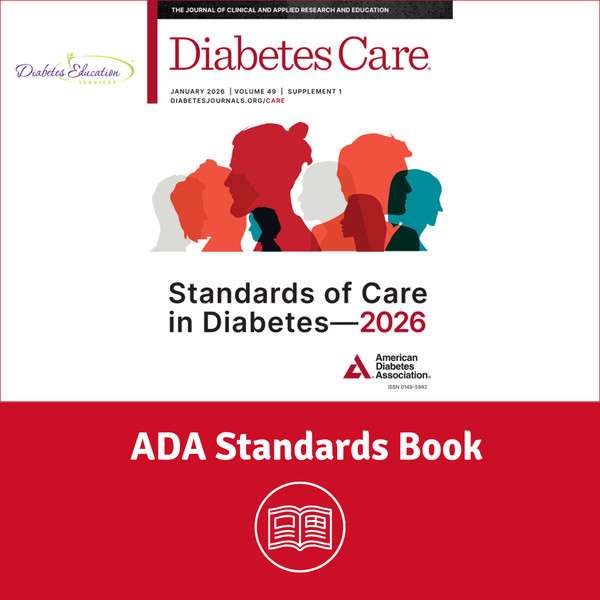
I highly recommend Beverly Tomlinson’s diabetes courses. Her teaching style is clear and easy to understand, and she presents information in a practical and engaging way. Beverly’s deep knowledge of diabetes care is evident throughout her courses, which incorporate key aspects of the ADA Standards of Care. These courses are an excellent resource for anyone looking to strengthen their understanding and clinical practice.
After years of teaching diabetes, I finally gathered the strength and courage to take the CDCES exam. I was proudly working in a field I loved as a Nurse Educator, not only as a nurse but living with Type One Diabetes myself. I completed my Masters degree, and knew I needed to take this leap as a final goal! After finding Beverly’s materials it was the support I needed! Thank you Beverly for your amazing resources. I completed a lifelong dream because of your program! I am incredibly grateful.
I accepted a DES nursing position that requires me to pass this exam after 1-2 years of working. I studied on average 5 hours/day from March-July. I emailed Bev’s team asking for lots of rationales. They were always answered. I failed. Beverly and her team were kind enough to give me what I needed to try again- confidence and lots of rationales! I retested 6 weeks later and passed . There is nothing else to prepare people for the CDCES like Diabetes Ed University does! Now I can keep the best job I’ve had in my 28 years of nursing. I highly recommend this program!
Passed my CDCES exam while wearing my purple DiabetesEd shirt for extra comfort! The self- guided courses and practice exams were instrumental to my success and passing the exam on the first try. Thank you!!
So thrilled to share I passed the CDCES exam! My biggest piece of advice would be to take practice tests! It helped me understand what the questions would look like on the exam – searching for the BEST next step, or INITIAL response to a situation presented. I purchased the ADCES review guide, which was 2 practice exams and an explanation for all of the answers. Bev’s cheat sheets were SO HELPFUL! I read through the ADA’s Standards of Care at least 3 times, as well as all of Bev’s recommended articles.
My history with Beverly Thomassian goes way back to 2009 when I was a new diabetes educator and I took her three day seminar in San Diego to prepare for the CDE. Since then, I always recommend her resources to the staff to get ready for certification. I also encourage the residents during the endocrinology rotation to get board certified to help their patients better with diabetes management. In 2015 I was the nurse of the year at my hospital and I remember that I discussed about my goals and one was to get Board Certified in Advanced Diabetes Management. For one reason or another I always put it off, but last year while applying for Magnet recognition at my hospital, my director pushed me by entering in the application that I would get ready for the BC-ADM so no more putting it off. I took the BC-ADM exam in December and I just found out that I passed! You have no idea how I felt as I thought the exam was very difficult and the long wait to find out the results was pure torture. Another professional goal checked off my list! I just wanted to say that Beverly has always been an inspiration to me and she is very encouraging and positive so it helps me build confidence. I attended her webinar and used her bundle course to prepare for the exam and even though preparing for it was very challenging due to my work schedule, I passed! Thank you Beverly for all your help over the years! To everyone, if I can do it, you can do it too. Just do it!