Subscribe
eNewsletter

Ready to get certified?
Free CDCES Coach App

eNewsletter
Free CDCES Coach App
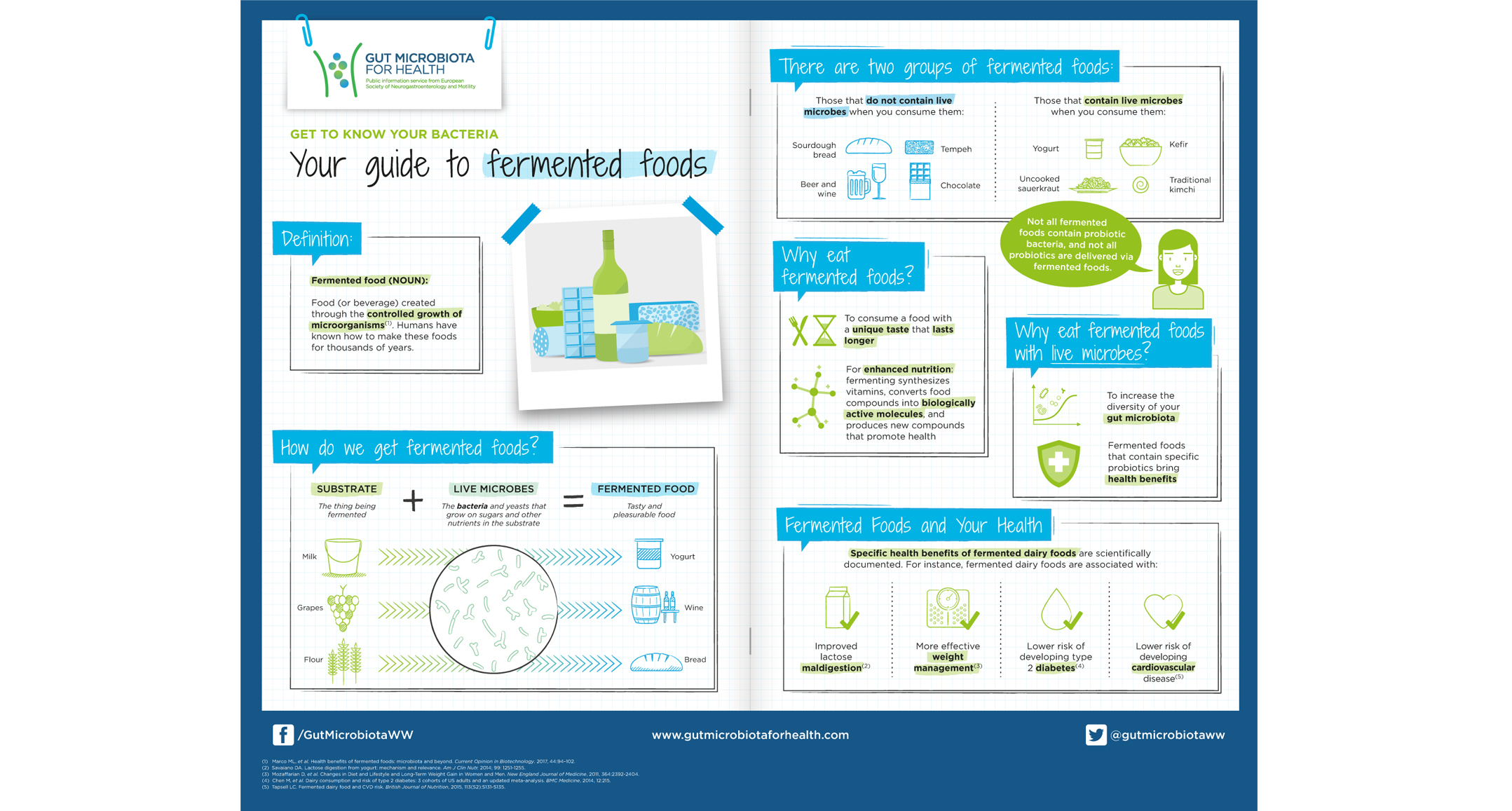
Maintaining a wide diversity of gut microbiome is vital for good health. A large amount of these microbes can be acquired through fermented foods like yogurt, kombucha, and sauerkraut. Fermented foods and the microbes they provide have proven to improve digestion of lactose, aid in weight management, lower risk of type 2 diabetes, and lower risk of developing cardiovascular disease.
This guide to fermented foods provides a quick and dirty guide to increasing gut bacteria diversity and through fermented foods.
Want to learn more? Join the wonderment as we explore the role of our Microbiome with our “New Horizons – Getting to the Gut” webinar
Join us to learn about the exciting advances in our understanding of the pathology of diabetes and novel approaches to prevention. We will discuss trends in diabetes diagnosis and classification. The role and importance of gut bacteria in the pathology of type 1 and type 2 will explored. A detailed discussion on emerging research and clinical trial on interventions to delay or prevent diabetes is also included.
Topics Include:

3 things you can do today |
Have you run out of time to study, but still want to access your courses?
Extend your courses for one additional year for a small fee. You can purchase the extension while your courses are still accessible, or when they expire.

Sign up now to reserve your spot, space is very limited!
“More than a course, it’s an experience!”
Come join us at our Level 2, Diabetes Educator Course in sunny San Deigo, California. Whether you are new to diabetes or a seasoned expert, you’ll leave our live seminars with the latest research plus teaching tools you can immediately apply to your clinical practice. Beverly and her teaching team translate the complex science of diabetes into understandable terms, while keeping it real, practical and fun.
Dates: September 5th – 7th, 2018
Diabetes Educator Course San Diego Brochure
Diabetes Educator Course Agenda


Many people wonder if they should eat breakfast before working out or hold off on consuming calories until after exercise. Recent research by the University’s Department for Health at the universities of Birmingham, Newcastle, and Stirling has shown that the pre-workout breakfast can actually increase post meal glucose utilization.
In this study, 12 healthy males were given a control breakfast and were required to rest for three hours prior to exercise. Blood glucose levels and muscle glycogen levels were then tested post exercise and rest. Researchers found that consuming breakfast actually made the body more effective at burning carbohydrates during exercise, “as well as increasing the rate the body digested and metabolised food eaten after exercise too.”
They compared the results to participants who skipped breakfast. The researchers found that fasting before exercise actually had the opposite effect and made the body far less efficient at burning carbohydrates during exercise. Researchers also discovered that the subjects were not only burning carbohydrates from their breakfast but from their muscle glycogen stores as well. This provides explanation for why there is rapid clearance of blood sugar after lunch.
This study has only assessed short term effects. Therefore, further research must be performed to discover long term implications.
To learn more about carbohydrate metabolism, visit Eating breakfast burns more carbs during exercise and accelerates metabolism for next meal.
Contributed by Sofia Sepulveda
Join Diabetes Education Services on Facebook!

Here at Diabetes Education Services we strive to keep our community up-to-date on all the latest developments in healthcare and diabetes. We also love keeping in touch with our community before, during and after preparing to become an educator.
Join us Facebook Group to receive the following:
Thank you for your continued support and keep in touch!
 30% of American Indians on the White Earth Reservation have Type 2, which is three times the national average.
Accessibility to fresh fruits and vegetables plays an integral role in a community’s health. Often we stumble upon “food deserts – regions where grocery stores with fresh, healthy options simply don’t exist.”
This summer, a new food truck has set out to make healthy eating more accessible to those who are not near grocery stores. White Earth Nation purchased a “healthy” food truck to help tribal members have access to healthy, locally produced and traditional foods.
Unhealthy eating habits are often tied to generations with limited access to fresh foods and can lead to chronic long-term health problems.
The goal of the new food truck is to provide more choices, as the White Earth Food truck travels to reservation villages in the summer with fresh produce and in the winter with other foods like squash, wild rice and preserves made from summer crops.
To learn more about the new food truck – White Earth hopes food truck puts reservation on road to better health by MPRnews
Please also enjoy our Plant Based Resource page
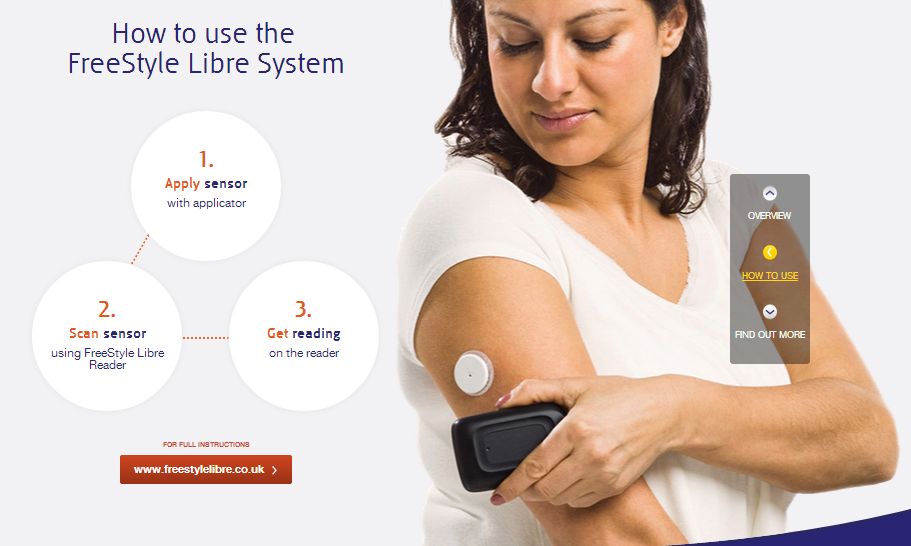 The FreeStyle Libre is a continuous glucose monitor (CGM), which automatically measures glucose readings day and night. This technology helps track glucose levels and in turn, manage diabetes. A new study suggest that CGM helps decrease health costs as it improves treatment adherence. Although people are still advised to perform standard glucose tests to confirm the accuracy, the monitor is reading and reporting glucose levels automatically through out the day.
The study suggest that from a cost perspective, the CGM saves money due to the lessened frequency of testing and materials necessary. The study also found that people with Type 1 and 2 experienced a reduction in hypoglycemia when using the CGM.
“For people with T1DM or T2DM who use MDI therapy, flash CGM has demonstrated improved adherence to the ADA recommendation as well as reduced acquisition cost when compared with routine SMBG.”
Learn more with – FreeStyle Libre boosts testing adherence and lowers costs during MDI treatment, US study reports by Diabetes.co.uk

For this issue, we discuss the differences and similarities of human and analog insulin. Topics covered include: