
Subscribe
eNewsletter

Ready to get certified?
Free CDCES Coach App

eNewsletter
Free CDCES Coach App
 30% of American Indians on the White Earth Reservation have Type 2, which is three times the national average.
Accessibility to fresh fruits and vegetables plays an integral role in a community’s health. Often we stumble upon “food deserts – regions where grocery stores with fresh, healthy options simply don’t exist.”
This summer, a new food truck has set out to make healthy eating more accessible to those who are not near grocery stores. White Earth Nation purchased a “healthy” food truck to help tribal members have access to healthy, locally produced and traditional foods.
Unhealthy eating habits are often tied to generations with limited access to fresh foods and can lead to chronic long-term health problems.
The goal of the new food truck is to provide more choices, as the White Earth Food truck travels to reservation villages in the summer with fresh produce and in the winter with other foods like squash, wild rice and preserves made from summer crops.
To learn more about the new food truck – White Earth hopes food truck puts reservation on road to better health by MPRnews
Please also enjoy our Plant Based Resource page
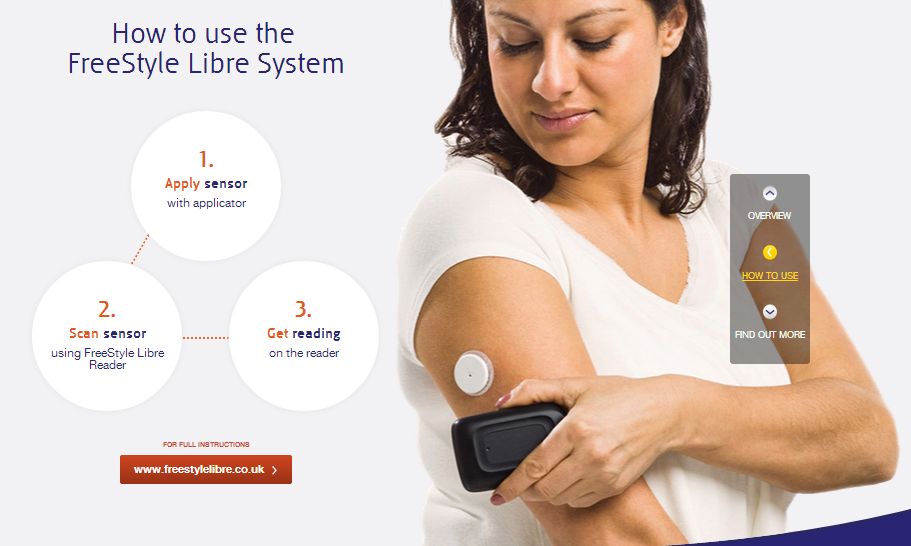 The FreeStyle Libre is a continuous glucose monitor (CGM), which automatically measures glucose readings day and night. This technology helps track glucose levels and in turn, manage diabetes. A new study suggest that CGM helps decrease health costs as it improves treatment adherence. Although people are still advised to perform standard glucose tests to confirm the accuracy, the monitor is reading and reporting glucose levels automatically through out the day.
The study suggest that from a cost perspective, the CGM saves money due to the lessened frequency of testing and materials necessary. The study also found that people with Type 1 and 2 experienced a reduction in hypoglycemia when using the CGM.
“For people with T1DM or T2DM who use MDI therapy, flash CGM has demonstrated improved adherence to the ADA recommendation as well as reduced acquisition cost when compared with routine SMBG.”
Learn more with – FreeStyle Libre boosts testing adherence and lowers costs during MDI treatment, US study reports by Diabetes.co.uk

For this issue, we discuss the differences and similarities of human and analog insulin. Topics covered include:
Click here to read our newsletter!
Please check out this fantastic resource by “Mom loves best” – The 111 Benefits of Breastfeeding – For Babies, Moms & Everyone Else


The “Plant-based movement” has gained increasing popularity within the past few years, with more people turning to fruits and vegetables to help improve their health. As interest increases, as does research. A study conducted suggest four main foods that can have big benefits to the heart, such as lowering your cholesterol and blood pressure!
The fours foods said to benefit cholesterol include:
Multiple governmental organizations such as the European Association for the Study of Diabetes are beginning to recognize and further investigate this particular diet as a prevention plan for cardiovascular diseases.
Particularly the recommended foods above, called the “Portfolio” diet, which includes an intake of 42 grams of nuts, 20 grams of soluble fiber, 2 grams of plant sterols, and 50 grams of plant protein. The study concluded, “overall, the analysis found that sticking to the Portfolio diet lowers total cholesterol levels, as well as triglycerides (which are the most common fat types in the human body), blood pressure, and C-reactive protein (which is a marker of inflammation).”
As research continues, we are seeing more and more evidence that a plant-based diet is not only restorative to your health, but can also be preventative.
Check out additional Plant Based Eating Resources here.
You can learn more – “These four foods are proven to lower your cholesterol” by Medical News Today
 At Diabetes Ed Services, we are passionate about getting the word out on sugar! We even created a “Joy of Six” campaign, to raise awareness on the health risks of added sugar and the benefits of enjoying less. This awareness is not only important to the diabetes community, but for anyone looking to lead a healthy lifestyle.
A recent study was conducted in Germany that measured the correlation between a parent’s knowledge of sugar count in food and childhood obesity. Findings concluded that parents who underestimated the amount of sugar in common food products, were more likely to have an overweight child.
In the United States 18% of elementary school age children are obese.
It is almost impossible to monitor a child’s diet completely, particularly with cafeteria lunches and sleepovers. The cause of childhood obesity is complex but one thing is clear; too much added sugar and obesity are strongly correlated.
The study suggests that parents can help children stay at a healthy weight by addressing their sugar consumption.
Start by setting a sugar goal for the family. The World Health Organization and American Heart Association recommend up to 6 teaspoons a day (or 24 gms) of added sugar.
The entire family is encouraged to read labels, to stay on target and reduce added sugar consumption.
One strategy that can help, “parents (can) sweeten foods themselves. “Mix natural yogurt with fruit,” Dallacker says. “Parents who do this would hardly feel compelled to add 11 sugar cubes.””
Learn more – “Parents Aren’t Good Judges of Their Kids’ Sugar Intake” by The New York Times
Learn more about sugar intake, ways to avoid sugar and how to spot hidden high sugar offenders with our “The Joy of Six” resource page.
Download the Sugar Rush app from Fooducate to see how much sugar has been added to your food. Just scan the bar-code of any product and instantly see a breakdown of naturally occurring and added sugar.
 Full-fat dairy is typically thought of as being detrimental to health due to the high content of saturated fats. However, a new study begins to question this commonly known ideology.
A recent study conducted by Dr. Dariush Mozaffarian from the Friedman School of Nutrition Science and Policy at Tufts University, challenges this popular opinion. The study reveals that whole-fat dairy does not seem to raise cardiovascular risk. Interestingly enough, some of the fats present may actually reduce your risk of heart attack and stroke.
Until recently, governmental organizations such as the United States Department of Agriculture (USDA) and the U.S. Department of Health & Human Services have advised people to avoid full-fat dairy in order to steer clear of “bad” cholesterol.
However, after studying the fatty acids contained in full-fat products, “none of the three fatty acids examined correlated with the risk of total mortality. In fact, high circulating levels of heptadecanoic fatty acid were associated with a lower risk of death from heart disease.” In fact, adults with higher levels of fatty acids overall, were 42% less likely to die of stroke.
As consumers we are often fed conflicting opinions about diet, which can make staying knowledgeable about all the options seem overwhelming. However, as diabetes educators, we want to stay aware of the many changes and developments made in the nutrition world and how this new information can benefit our diabetes community. The question now is, should the dietary guidelines be revised?
This research was funded by NIH, read the full article here. “Serial measures of circulating biomarkers of dairy fat and total and cause-specific mortality in older adults: the Cardiovascular Health Study”
To learn more, enjoy the summary article “Full-fat dairy may actually benefit heart health” by Medical News Today
 We all know someone who has a hard time falling asleep without the TV on or spends at least an hour on their phone before bed.
Studies now find, that the less light and noise pollution the better!
A new study from Northwestern University finds that sleeping with the light on increases your risk of developing diabetes. Quality of sleep can have a major impact on health, from emotional to physical.
The researchers had a group of volunteers spend a few nights sleeping in total darkness and a few nights sleeping with bright lights overhead. They then measured multiple vitals such as brain wave activity and any physical movement. Also taking blood samples to measure melatonin and a glucose tolerance test in the morning.
Results showed that even one night of sleep with the lights on had an effect on insulin resistance. Although this was a short study, they are going to look deeper into long-term effects light exposure can have on metabolic functions.
Let’s spread the word about the importance of turning off the lights to improve sleep and the health of our communities!
To learn more check out this article: “Light-on sleeping may increase risk of diabetes” by Xinuhuanet
Written by: Anne Carter
 A new bill was introduced into congress (HR 5768) designed to allow more hours and less financial burden for those seeking DSME. If approved, Diabetes Educators would be able to provide triple the yearly hours of diabetes education and hold classes in the community (see details below). We need to let our Congressmen know that we support this bill..
Last week in Washington, D.C., Coach Beverly carved out a few hours from her family vacation to meet with Congressman LaMalfa, requesting his support to expand Medicare access to diabetes education! He asked a lot of good questions and plans to speak with Congressman Tom Reed, who cosponsored this important bill (HR5768).
Below is an example of a letter Coach Beverly wrote to Congressman LaMalfa. You are welcome to copy and personalize this letter or write your own to send to your representative! Thank you for your consideration.
“Dear Congressman LaMalfa,
My sincere appreciation for taking the time to hear about the importance of supporting bill HR5768, co-sponsored Congressman Tom Reed. As I mentioned, 45% of people in our district have prediabetes and another 10% are living with diabetes.
The majority of people living with diabetes are 65 and older and they need more help, from Diabetes Educators like myself, to keep healthy with diabetes and prevent complications like heart attack and stroke.
As a matter of fact, 30% of Medicare dollars are spent on treating diabetes complications.
Unfortunately, in my Diabetes Clinic in Paradise, CA, we have to deny many needed appointments to many people struggling with their diabetes, due to the very limited hours allowed by Medicare.
Studies show diabetes education works. Meeting with a diabetes specialist reduces complications, hospitalizations and helps keep our community healthier.
As a constituent and Diabetes Educator I want to let you know that we need more time and less barriers to provide effective Diabetes Self-Management Training.
To improve diabetes care and increase access, Congressman Tom Reed (R-NY) and Congresswoman Diana DeGette (D-CO) introduced the Expanding Access to Diabetes Self-Management Training Act (HR 5768) to Congress on May 10, 2018.
You may read the full text of the bill here.
HR 5768 will significantly increase Medicare beneficiaries’ access to DSMT services by:
This bill proposes more hours and reduces barriers to access. As diabetes educators, we know first-hand, how important the passage of this bill is to improve the quality of peoples’ lives.
On behalf of all Diabetes Educators and people living with diabetes, I am sincerely urging you to support or co-sponsor this urgently needed legislation.
Thank you for representing the 1st district of this beautiful state. I appreciate your hard work and dedication making sure your constituents have the best life possible.
Sincerely,
Beverly Thomassian