
Subscribe
eNewsletter

Ready to get certified?
Free CDCES Coach App

eNewsletter
Free CDCES Coach App
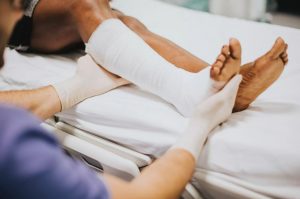 In healthy individuals, wounds can heal fairly quickly and easily due to our bodies natural ability to continuously produce new cells. Wounds that involve medical intervention, such as decubutis ulcers, require a bit more time and care for optimal healing. Diabetic ulcers are a huge issue for individuals with diabetes who are bedridden or use wheelchairs. They are also known as “pressure sores” or “bed sores” and form where bones are closer to the skin. These ulcers are specifically problematic to the foot area and may take a significant amount of time to heal.
Food and nutrition plays a huge role in wound healing. The vitamins, minerals, and energy that we consume are vital for proper healing. Nutrient intake is especially important due to the great loss of nutrients that are lost in the blood supply exiting the wound.
To increase efficiency of wound healing, it is important to consume a sufficient amount of calories from whole foods. Refer to the My Plate Guidelines, for tips on creating a healthy and balanced meal. Adequate protein intake is also very beneficial.
Encourage people with diabetes and ulcerations to try to consume around 10-20 grams of protein with each meal or snack to ensure recovery. Strategies to increase protein intake could include, adding eggs to breakfast, peanut butter or chia seeds to a morning smoothie. Some herbs or spices, such as turmeric, may aid in fighting inflammation as well.
Assessing vitamin and mineral intake is vital, as many nutrients are lost through the wound. It is recommended to consult with a dietitian to assess specific nutrient needs. A dietitian with a background in diabetes may also be helpful in developing a nutrition plan to help control blood sugar levels and aid in wound healing.
For more information on nutrition and wound healing, visit 5 Nutrition Tips to Promote Wound Healing.
For more information on foot ulcers, be sure to check out our Foot Examination Pocket Chart.
 The Mediterranean diet is one of the few diets that has actually shown positive effects in decreasing likelihood of developing diabetes and other health-related issues. New information from the World Health Organization is now revealing that the Mediterranean region has some of the highest rates for childhood obesity in the world.
The WHO reported that Cyprus, Italy, Malta, Spain, San Marino, and Greece were among the highest out of the 34 countries in the Mediterranean region to see a vast increase in childhood obesity. Boys had higher rates than girls, with nearly one in five boys being obese.These rates are even higher than that of the United States where obesity affects 17% of children.
This increase in obesity is most likely due to the loss of the Mediterranean diet and decreased physical activity.The Mediterranean diet is known to include fish, red meat, and poultry, olive oils, and a high amount of plant-based foods. A study by the American Diabetes Association in 2011 showed that four years of following this diet decreased likelihood of developing Type 2 diabetes by 52%.
In recent years, the diet of the people in this region has shifted towards more processed, sugary, and energy dense foods. This shift in dietary habits is most likely due to urbanization of the Mediterranean area. Increased rates of poverty in some of these countries may also be linked to increased intake of processed foods as well with many of the poorest European countries having the highest rates of childhood obesity.
To learn more about this topic, enjoy the: Italy Newsletter and Tots to Teens Webinar, Nutrition and Exercise Webinar
There is plenty of research linking dark chocolate to overall heart health and immunity. However, a recent study from the University of the Incarnate Word in San Antonia, Texas is now finding that dark chocolate may have an effect on vision quality as well.
The researchers assessed 30 healthy adults in their 20’s. The participants were to either consume 1.5 oz of dark chocolate or rice milk chocolate. Labels were removed from the bars as to not skew any of the collected information. An hour after consumption, the subjects participated in a letter-based eye chart to test for visual acuity. The researchers concluded that those who consumed dark chocolate did experience slightly better vision, however, the effects, “were small and the real life functional relevance is unclear.”
The reason for this slight visual improvement in the dark chocolate subjects, “may be a result of increased blood flow to the retina, visual pathways, or the brain’s cerebral cortex.” This increased blood flow would increase bioavailability of oxygen and nutrients to the cerebral cortex, allowing it to function properly and efficiently. It was concluded that, “a single dose of dark chocolate improves visibility of small, low-contrast targets within 2 hours compared with milk chocolate, but the duration of this difference and clinical relevance remains uncertain.” While it is too early for dark chocolate to be recommended by your optometrist, introducing small amounts into your diet may show some positive benefits.
To learn more about dark chocolate and its effects on visual health, visit A bit of dark chocolate might sweeten your vision.
Try out this recipe, Dark Chocolate Covered Grapes, for an easy and delicious summer treat!
 We all know someone who has a hard time falling asleep without the TV on or spends at least an hour on their phone before bed.
Studies now find, that the less light and noise pollution the better!
A new study from Northwestern University finds that sleeping with the light on increases your risk of developing diabetes. Quality of sleep can have a major impact on health, from emotional to physical.
The researchers had a group of volunteers spend a few nights sleeping in total darkness and a few nights sleeping with bright lights overhead. They then measured multiple vitals such as brain wave activity and any physical movement. Also taking blood samples to measure melatonin and a glucose tolerance test in the morning.
Results showed that even one night of sleep with the lights on had an effect on insulin resistance. Although this was a short study, they are going to look deeper into long-term effects light exposure can have on metabolic functions.
Let’s spread the word about the importance of turning off the lights to improve sleep and the health of our communities!
To learn more check out this article: “Light-on sleeping may increase risk of diabetes” by Xinuhuanet
Written by: Anne Carter
 After a 14 year battle, the time has finally come to say goodbye to artificial trans fat!
“The elimination of artificial trans fat from the food supply represents a historic and long-fought victory for public health,” said CSPI senior scientist and former executive director Michael F. Jacobson, who led CSPI’s efforts to get artificial trans fat out of foods. “Ridding the food supply of partially hydrogenated oils will save tens of thousands of lives each year.”
This new law is all a part of a plan revealed in May by the World Health Organization to completely eliminate artificial trans fats by 2023. The production of processed foods and the rise of fast food restaurants have brought our world many steps back in terms of health. Now, it is our chance to take a large leap forward.
Partially hydrogenated oils were introduced to the processed food industry in the early 1900’s. The idea to hydrogenate vegetable oils, or make liquid vegetable oils solid at room temperature, even won a Nobel Prize in 1912. Further research determined that trans fat increases LDL (“bad cholesterol”) while lowering HDL (“good cholesterol”) levels, increasing risk of heart disease.
The first major study on trans fats and coronary heart disease was released in 1993. Artificial trans fats were shown to contribute to nearly 50,000 deaths a year. As of June 18th, the food industry will no longer be able to include trans fats in their products. Many fast food restaurants have already begun implementing this practice and have shown great success. For example, the Big Catch meal at Long John Silver’s once contained 33 grams of trans fat and now contains none. A lot of consumers have expressed that with this new law, the flavor is not sacrificed. Trans fats will go on to become unmissed and unneeded.
To read more on this topic, visit A Final Farewell to Artificial Trans Fat.
You can always learn more with our Nutrition and Exercise Webinar – $29
 A new bill was introduced into congress (HR 5768) designed to allow more hours and less financial burden for those seeking DSME. If approved, Diabetes Educators would be able to provide triple the yearly hours of diabetes education and hold classes in the community (see details below). We need to let our Congressmen know that we support this bill..
Last week in Washington, D.C., Coach Beverly carved out a few hours from her family vacation to meet with Congressman LaMalfa, requesting his support to expand Medicare access to diabetes education! He asked a lot of good questions and plans to speak with Congressman Tom Reed, who cosponsored this important bill (HR5768).
Below is an example of a letter Coach Beverly wrote to Congressman LaMalfa. You are welcome to copy and personalize this letter or write your own to send to your representative! Thank you for your consideration.
“Dear Congressman LaMalfa,
My sincere appreciation for taking the time to hear about the importance of supporting bill HR5768, co-sponsored Congressman Tom Reed. As I mentioned, 45% of people in our district have prediabetes and another 10% are living with diabetes.
The majority of people living with diabetes are 65 and older and they need more help, from Diabetes Educators like myself, to keep healthy with diabetes and prevent complications like heart attack and stroke.
As a matter of fact, 30% of Medicare dollars are spent on treating diabetes complications.
Unfortunately, in my Diabetes Clinic in Paradise, CA, we have to deny many needed appointments to many people struggling with their diabetes, due to the very limited hours allowed by Medicare.
Studies show diabetes education works. Meeting with a diabetes specialist reduces complications, hospitalizations and helps keep our community healthier.
As a constituent and Diabetes Educator I want to let you know that we need more time and less barriers to provide effective Diabetes Self-Management Training.
To improve diabetes care and increase access, Congressman Tom Reed (R-NY) and Congresswoman Diana DeGette (D-CO) introduced the Expanding Access to Diabetes Self-Management Training Act (HR 5768) to Congress on May 10, 2018.
You may read the full text of the bill here.
HR 5768 will significantly increase Medicare beneficiaries’ access to DSMT services by:
This bill proposes more hours and reduces barriers to access. As diabetes educators, we know first-hand, how important the passage of this bill is to improve the quality of peoples’ lives.
On behalf of all Diabetes Educators and people living with diabetes, I am sincerely urging you to support or co-sponsor this urgently needed legislation.
Thank you for representing the 1st district of this beautiful state. I appreciate your hard work and dedication making sure your constituents have the best life possible.
Sincerely,
Beverly Thomassian
 We make many decisions through out the day, making sleep a priority can not only improve your next morning but can have lasting effects on your long-term health.
We also know that the quality of sleep can greatly influence the quality of life. A new study finds that lack of sleep may cause many complications now including obesity and diabetes.
Snacking at night time can lead to a variety of issues, such as skin damage due to the altered production of a protective enzyme, stress and poor mental clarity. However, studies now find there are more serious risks including diabetes and heart disease.
“Grandner and his colleagues collected their data through phone-based surveys, and, in total, they analyzed sleep- and diet-related information from 3,105 adults from 23 metropolitan areas across the United States.”
The findings included approximately 60 percent of those surveyed, admitted to snacking late at night regularly. When you are tired at night, you often reach for the “easiest” food option, being an unhealthy, processed, pre-packaged food instead of a nutritious snack.
“The researchers found that sleep deprivation was a reliable predictor of cravings for unhealthful snacks, while these cravings were tied to a higher likelihood of an obesity or diabetes diagnosis.”
The connection between quality of sleep and metabolic health is apparent. Helping people with diabetes focus on sleep as a key indicator of health is an excellent way of promoting a healthy lifestyle.
To learn more, enjoy this article by Medical News Today: “Poor sleep may fuel harmful eating habits and diabetes”
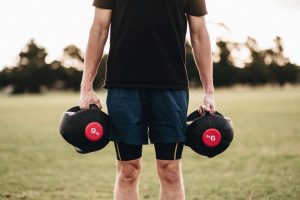 Strong bodies may build strong minds, according to a meta-analysis conducted by JAMA Psychiatry in June 2018. The physical benefits of weight training have been well known and documented for years. However, this series of 33 clinical trials is demonstrating a clear connection between strength training and reduction of depressive symptoms.
The study assessed various factors such as training volume, strength or muscle mass increase, and health status and found that none of these had a significant impact on decreasing depressive symptoms. Age did not seem to have a significant impact either, as participants of all ages experienced the same impact on their mental health. As long as the participants were strength training anywhere from 2-5 times a week, they would benefit.
This meta-analysis did not assess or compare any other modes of exercise to strength training. It is possible that other physical activities may have a similar effect on mental health. Strength training should not be used as a replacement for traditional treatments and medication and should only be used as a supplement to treatment for clinically depressed individuals.
For more information on weight training and its effect on reducing depressive symptoms, visit Weight Training May Help to Ease or Prevent Depression.
Click here to enjoy additional Exercise Resources!

Sept 5th – 7th, 2018 – Earn 32 CEs
“More than a course, it’s an experience!”
