



eNewsletter

Free CDCES Coach App
Free Med Pocket Cards

According to the latest CDC Data, over 16% of Americans are living with diabetes and 38% have prediabetes. This means about half of our communities are living with hyperglycemia.
Advocacy and education play essential roles in diabetes care and prevention. By equipping individuals with knowledge about diabetes management, healthy lifestyle choices, and preventative measures, we empower them to take ownership of their health and inspire change within their communities.
Community-centered education can be incredibly powerful—when people feel informed and supported, they’re more likely to make meaningful changes and encourage others to do the same. This creates a ripple effect, fostering healthier communities and potentially reducing the prevalence of diabetes over time.
We have put together a list of FREE Webinars and diabetes resources in English and Spanish to share with people living with prediabetes and diabetes. Thank you for your advocacy and belief that we can make a difference.
ADA’s Diabetes Food Hub – English and Spanish! Web site filled with information on healthy eating and an abundance of delicious recipes.
ADA Resources in Spanish – this newly opened information hub is perfect for those who prefer to learn and read in Spanish.
ADA’s FREE Life with Diabetes Program: ADA’s program includes six digital, printable journeys to teach how to live well with diabetes; a monthly e-newsletter with tips, stories, and more resources; six free issues of the Diabetes Forecast® magazine; access to an online community and local events. (The program is available in both English and Spanish).
ADA’s Risk Quiz: 60-second online risk assessment for type 2 diabetes. ADA created a self-assessment and a version to fill out the assessment for others. There’s also a printable version in English & Spanish that can be distributed to help ascertain risk. This is a great first step in helping individuals consider coming in for an appointment
CDC Diabetes Prevention Program Curricula and Handouts This site offers excellent resources for those interested in offering Diabetes Prevention Education in English and Spanish.
National Diabetes Education Program is an online library of resources compiled by the NDEP to help provide accurate information and support for people living with prediabetes and diabetes.
Spanish Language Resources: language can be a barrier to adequate and quality care. ADCES has created a number of free downloads for people with diabetes and prediabetes, which have been translated into Spanish.
Type 1 Diabetes Resource Page – Includes is a list of helpful online resources for Type 1 Diabetes. It include sites for national organizations like the American Diabetes Association (ADA), sites for diabetes interest groups, and other participant organizations that provide helpful diabetes tips and opportunities to join online groups.
DiabetesWisePro for Clinicians A non-biased web site for health care professionals that has a quick tool to access insurance coverage information, how to order devices, what to include and where to go for support.
DiabetesWise A non-biased website that helps people with diabetes learn about different diabetes devices and determine the best match for their needs
Insulin Cost Savings Toolkit Resource Page – An ADCES complete listing of low cost insulin options and resources.
Technology Cost Savings Resource Page – An ADCES listing of websites and information to obtain pumps and sensors for a lower cost.
Happy November,
Nearly 16% of American adults — that’s close to 1 in 6 — now has diabetes, according to the latest data from the CDC. Along with social determinants of health, education seems to matter: While about 20% of Americans with a high school degree have diabetes, the rate falls to 10.7% for people with a college degree.
To help increase awareness, we have compiled a list of our favorite FREE diabetes information resources in English and Spanish to empower people with prediabetes and diabetes to take action.
Did you know dietary choices can improve eye health? While glucose management is essential in reducing the risk of retinopathy, nutritional strategies that reduce glycemic variability, blood pressure, inflammation, and oxidative stress significantly impact retinal health and vision. Read more below.
We are excited to announce the launch of the Diabetes Care Provider Directory, spearheaded by Diversity in Diabetes. This inclusive organization aims to connect individuals with healthcare professionals who want to provide care for people from diverse experiences, fostering a collaborative environment for effective diabetes care.
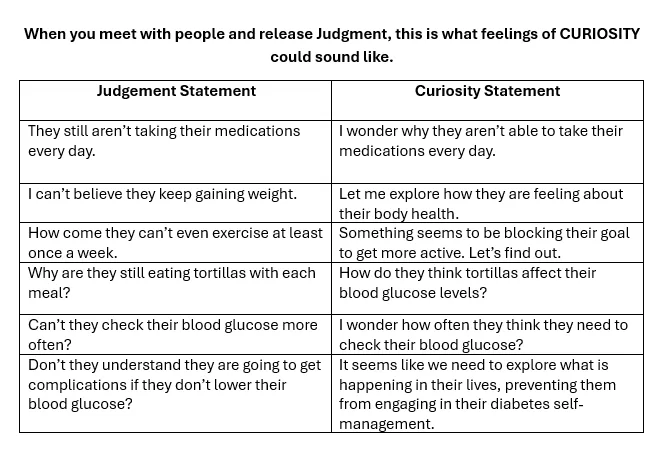
Lastly, to help everyone feel their best this holiday season, we are sharing our popular handout highlighting Ten Strategies to Survive the Holiday commotion and another info sheet on reframing diabetes distress.
We hope you can join our FREE webinars in celebration of National Diabetes Month. We are sincerely grateful for your ongoing dedication to improving diabetes care.
With gratitude and appreciation,
Coach Beverly, Bryanna, Tiffany, and, Christine
Click here to read our full November 2024 newsletter.
Featured Articles
Upcoming Programs

It is with great enthusiasm that I share a transformative initiative: the launch of the Diabetes Care Provider Directory at Diversity in Diabetes.
In a increasingly diverse world, the need for cultural humility in healthcare has never been more critical, particularly for individuals living with diabetes. As we navigate the complexities of diabetes management, we acknowledge that each person’s journey is unique, deeply influenced by their cultural background, personal experiences, and individual needs.
The launch of the Diabetes Care Provider Directory at Diversity in Diabetes aims to connect individuals with healthcare professionals who are excited to connect with people with diverse experiences, fostering a collaborative environment for effective diabetes care.
At Diversity in Diabetes (DiD), the mission is anchored in three foundational pillars: Education, Resources, and Support. These essential elements are thoughtfully curated to meet the unique needs of vulnerable populations, including BIPOC communities, men, LGBTQIA+ individuals, and those aged 65 and older on their diabetes care journey. By focusing on these pillars, Diversity in Diabetes strive to empower individuals with the knowledge and tools they need to manage their health effectively.
Founded in August 2020 by Quisha Umemba and Kacey Creel, Diversity in Diabetes (DiD) is a 501(c)(3) nonprofit organization dedicated to addressing the critical lack of diversity in diabetes care. As the creators of the People of Color Living with Diabetes Summit, Quisha and Kacey have focused on raising awareness, providing education, and developing solutions to combat healthcare inequities and improve health outcomes for individuals and communities of color.
At Diversity in Diabetes (DiD), the organization is dedicated to advocating for greater representation of healthcare professionals in diabetes management. They work diligently to enhance awareness of treatment options specifically for People of Color Living with Diabetes (POCLWD) and promote the effective integration of technology in their care. Additionally, DiD strives to improve access to Diabetes Self-Management Education and Support programs for POCLWD, tirelessly pursuing a more equitable landscape in diabetes care. Their commitment to inclusivity and support aims to empower individuals and communities, fostering an environment where everyone can thrive in their diabetes journey.

Many individuals with diabetes encounter barriers when accessing care that resonates with their personal and cultural realities. Understanding these diverse perspectives is essential for fostering a supportive environment in which patients can thrive.
Diversity in Diabetes aims to bridge this gap by creating a comprehensive directory that connects individuals to healthcare professionals who genuinely understand and respect their unique needs.
Diversity in Diabetes is actively seeking compassionate and dedicated professionals to enrich their directory—healthcare providers, dietitians, endocrinologists, therapists, and others who share a commitment to inclusive care. Here’s why I encourage you to consider joining this important initiative:
By participating in this directory, you will contribute to a network that prioritizes culturally competent care. Your involvement can help create a healthcare environment where every individual feels valued and understood on their journey to managing diabetes.
Joining the directory allows you to reach a diverse client base actively seeking your expertise. This is an opportunity to connect with those who can benefit greatly from your knowledge and compassion.
Members of the directory will gain access to a wealth of resources and tools provided by Diversity in Diabetes. These materials will empower you to enhance your practice and deliver the highest quality of care to your patients.


As healthcare professionals, we play a crucial role in shaping the experiences of those we serve. Your dedication to understanding and addressing the diverse needs of individuals living with diabetes can have a transformative impact on their health outcomes. By joining the Diabetes Care Provider Directory, you will help ensure that everyone has access to the compassionate, culturally competent care they deserve.
If you are ready to make a meaningful difference and be part of this vital initiative, I encourage you to visit Diversityindiabetes.org/care-directory to learn more and register.
Together, we can foster a more inclusive diabetes care community that uplifts and empowers all individuals. Thank you for your unwavering commitment to improving the lives of those living with diabetes. Diversity in Diabetes (DiD) Team.


It’s been five year since you passed your exam. Now you are approaching your renewal date, so how do you maintain this hard-earned certification? To help you stay on top of this important process, we’ve gathered some essential updates from the CBDCE website.
This year, the CBDCE published new rules to renew certification which you might have missed. To make sure there are no surprises during your renewal process, here are key considerations from the CBDCE Website that we hope you find helpful!
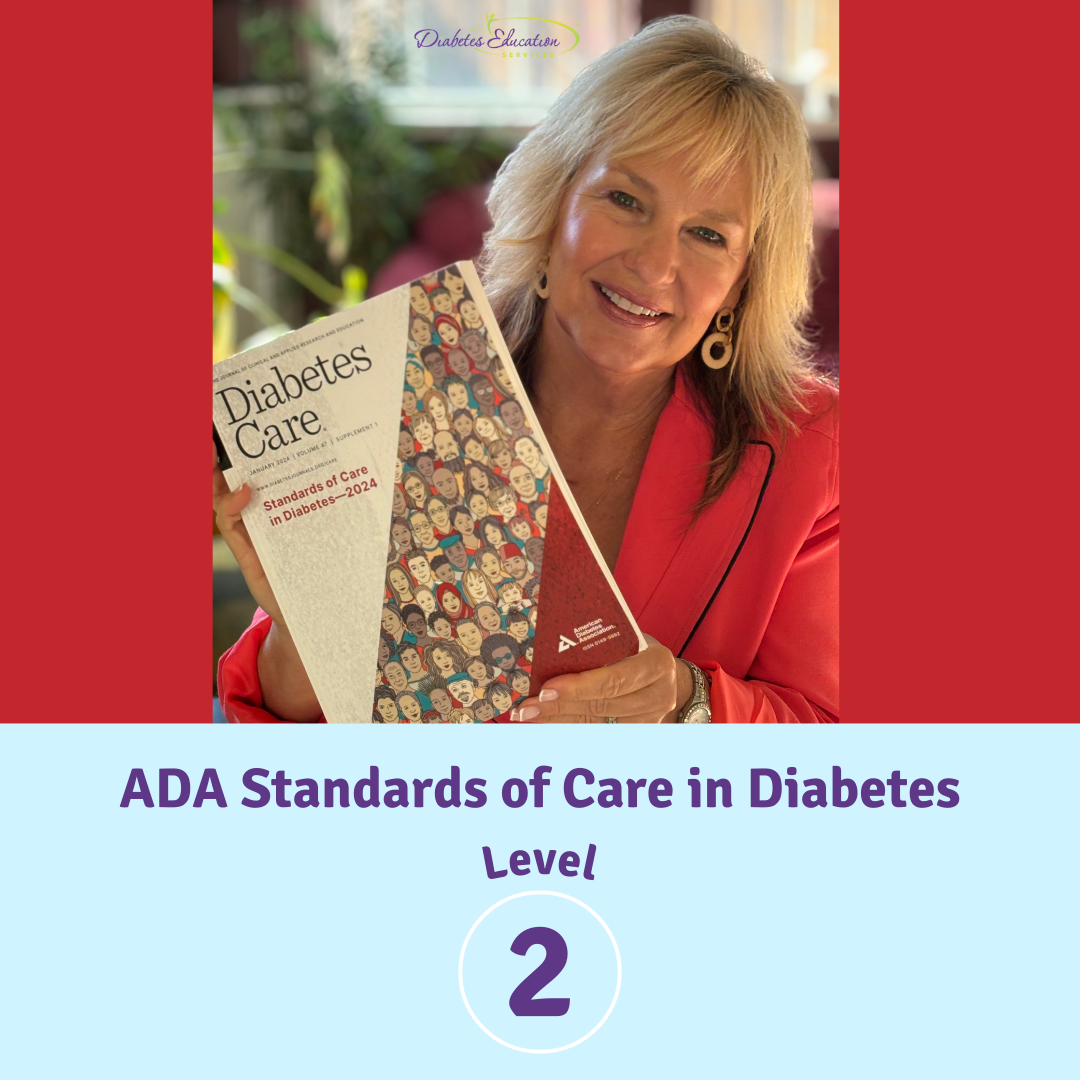
To promote quality and inclusive diabetes care and education, the CBDCE Board changed the continuing education (CE) content requirements. Certificants will still need to complete 75 CE units over a five year period. However, to make sure CDCES’s stay abreast of the latest standards and promote inclusive care, the Board is now requiring participation in CE courses that provide updates on the ADA Standards of Care at least twice during the individual’s renewal cycle.
This means that starting in 2024, certificants will need to start acquiring these more specific CEs in preparation for 2025 renewal.
If you are renewing your CDCES in 2025 or later by completing 75 CE units over the five-year period, the CBDCE requires that you demonstrate completion of the following type of CE Activities (you can immediately start accumulating these needed CEs). The CBDCE encourages the following CE activities at least once during your renewal cycle:
*Since Diabetes Education Services is Accredited by the Commission on Dietetic Registration (CDR), all of our courses can be applied toward your CDCES Renewal.
Our content incorporates the ADA Standards and Content Requirement
The bundles listed below are well-suited for meeting CDCES renewal requirements. Additionally, we refresh our entire content library every year to stay current with the latest ADA Guidelines.
In addition, our DiabetesEd Training Programs cover the ADA Standards of Care with clarity and intention by a trio of experts, including Diana Issacs, PharmD, BC-ADM, CDCES, and FADCES a contributing author to the ADA Standards.
Plus, all of our content incorporates education principles and teaching strategies, with a special emphasis on population health, equity, diversity, and inclusion.
We are here to help you succeed. Whether you are starting your journey or working toward recertification, our ADA Standards of Care CE Course, Standards of Care Intensive, CDCES Basic Prep Bundle, and our new “Certification Renewal Bundle” or DiabetesEd Training Conferences are perfect options to meet your goals.

Victoza is now available in generic form at a slightly reduced monthly price of $469.60 for a 2-pack and $704.40 for a three-pack. According to the ADA average wholesale price chart, Victoza typically costs around $1,340 for a month’s supply, which is about a 50% reduction in price.
Victoza (liraglutide injection 1.8 mg) is a once-daily GLP-1 injection approved to treat type 2 diabetes. It lowers A1C by about 1%, along with weight loss and reduced risk of cardiovascular events. See our Medication PocketCards for more info.
Generic Victoza, produced by Teva Pharmaceuticals, is the first GLP-1 RA that has gone generic. Victoza’s patent in the US and Europe expired in late 2023, paving the way for companies like Teva to pursue generic versions. Two other generic Victoza options are being developed with a possible December 2024 release date. Once multiple Victoza generics are on the market, the hope is that competition will further reduce prices for people who would benefit from this medication. Patents for newer GLP-1 medications like Ozempic and Wegovy won’t expire until several years later.
Launching this more cost-effective generic Victoza comes as many people with diabetes struggle to access the more popular GLP-1 medications like semaglutide (Ozempic) and dulaglutide (Trulicity). Liraglutide (Victoza) was also approved for weight loss for those without diabetes who met the BMI criteria in 2014 under the brand name Saxenda.
The first generic GLP-1 is a significant milestone in improving access to diabetes drugs. With the launch of additional Victoza generics in 2025 and beyond, prices should continue to fall even further, helping more people access these crucial medications.
This month, the FDA approved another SGLT-2i, dapagliflozin (Farxiga), for children under the age of 18. Dapagliflozin and empagliflozin are now both approved for pediatrics starting at the age of 10 diagnosed with type 2 diabetes as an adjunct to diet and exercise to improve glycemic control.
The incidence and prevalence of type 2 diabetes in children and adolescents are increasing globally. In the US, there are nearly 30,000 individuals under the age of 20 living with type 2 diabetes, with 5,300 new cases diagnosed each year, according to the US Centers for Disease Control and Prevention and recent research. Children with type 2 diabetes often experience earlier onset of complications than adults and benefit from interdisciplinary care and social support.
Data from the T2NOW Phase III trial, published in The New England Journal of Medicine Evidence, Farxiga, provided clinically meaningful improvements in glycemia for children and adolescents with type 2 diabetes. The safety results in this pediatric population were consistent with those in adults with T2D. Of course, it is essential to provide education on preventing genital infections and any signs of diabetes ketoacidosis. See our Medication PocketCards
The use of DES products does not guarantee the successful passage of the certification exam. CBDCE and ADCES do not endorse any preparatory or review materials for the CDCES or BC-ADM exams, except for those published by CBDCE & ADCES.

As we enter fire and storm season, it’s always a good idea to think ahead and be prepared for disaster. For people living with diabetes, a “diabetes kit” is an important part of emergency preparedness. We are excited to share a few getting ready checklists and resources that we think are really helpful.
For any emergency scenario, it’s important to have an emergency preparedness plan that includes a meeting point, an exit route, a “get-away” bag, and communication strategies. Identify and inform the people who will be included in the emergency plan ahead of time and make sure everyone clearly knows what to do and what action to take.
An easy way to get started is to download the Checklist and Plan created by the Diabetes Disaster Response Coalition. We have also created a Disaster Checklist Word document that you can download and customize for yourselves. These checklists can help you start the conversation and commit the details to paper.
Disaster can happen in a moments notice. It’s important to plan ahead and be ready, especially for people living with diabetes.
Resources for People with Diabetes
General information from the Diabetes Disaster Response Coalition (DDRC) on preparedness for people living with diabetes.
Have an Emergency Diabetes Plan and Kit Ready: DDRC’s Diabetes Plan and Kit checklist includes helpful steps to take in preparation for disaster. The checklist details needed supplies and information that should be written down and kept in a waterproof container for emergency situations where is can be found by a health care provider to make informed emergency treatment decisions.
Stay Updated: Visit Breakthrough Type 1 Disaster Relief Resources and Diabetes Disaster Response Coalition includes information on how to access medical support, shelters, and open pharmacies during times of disaster.
Individuals with diabetes who need help: Call 1-800-DIABETES (800-342-2383). The American Diabetes Association Center For Information is open, MON.-FRI. 9 a.m. TO 7 p.m. ET. Representatives are regularly updated with information on how to access medical support, shelters, pharmacies, and more.
American Red Cross Shelters: Contact the American Red Cross directly at 1-800-RED-CROSS.
Resource For Health Care Providers:

In addition to the items listed below, make sure to pack hand sanitizer, wipes, and masks due to the current pandemic. Also, bring your own pillow and bedding in case you need to spend time in a shelter.
Emergency Evacuation-Items to Gather for People with Diabetes
We thought this list was a helpful way to prioritize what items to grab given different time frame limitations. We found it online and customized it for people with diabetes. It is available in Word or PDF. Thank you for sharing with your colleagues and community.

1-800-DIABETES (800-342-2383) is an excellent referral resource for people with diabetes to call toll-free for updates on accessing medical support during an emergency.
Sign up for Diabetes Blog Bytes – we post one daily Blog Byte from Monday to Friday. And of course, Tuesday is our Question of the Week. It’s Informative and FREE! Sign up below!
The use of DES products does not guarantee the successful passage of the CDCES exam. CBDCE does not endorse any preparatory or review materials for the CDCES exam, except for those published by CBDCE.
Increasing global temperatures are expected to impact the health of people living with diabetes and lead to worse outcomes, according to an article published in the Journal of Community Hospital Internal Medicine Perspectives,

People with diabetes are at greater risk of experiencing dehydration and cardiovascular events during periods of extreme heat. Several studies reveal that people with diabetes are more likely to need emergency care during heat waves and those with a history of heart disease are most vulnerable.
To keep healthy and reduce risk during heatwaves, we have put a list together of actions people with diabetes can take to stay safe in the heat.
Download PDF Handout of 19 Actions Here

October 9th-11th, 2024

Join Coach Beverly and Team for two and a half days of knowledge-sharing, fun, networking, games with prizes, and “aha” moments in beautiful San Diego on October 9-11, 2024.
You don’t want to miss this one-of-a-kind learning opportunity. Get away from all those daily responsibilities and immerse yourself in a fun and intensive conference with plenty of networking opportunities.
Attendees will leave this conference with new tools and a more complete understanding of the latest advances in diabetes care, from medications to technology to Medical Nutrition Therapy!
Each day, we provide a healthy breakfast, including fresh coffee, to kick off your morning. Our instructors co-teach the content to keep things fresh and lively. Plus, we play DiaBingo to reinforce key content. In addition, we provide plenty of movement breaks led by volunteers from the audience. Did we mention delicious lunches and a conference meeting space just minutes from San Diego Bay?
Friend Discount: 3 or more only $559-$799 (based on registration package) per person. Email us at [email protected] with the name and email of each registrant to get the discount!

Time: The course is Wednesday through Friday. Join us for breakfast at 7:00 a.m. each day. The class begins at 8:00 a.m. and ends at 5:00 p.m. on Wednesday and Thursday and at 3:00 p.m. on Friday.
The use of DES products does not guarantee the successful passage of the certification exam. CBDCE and ADCES do not endorse any preparatory or review materials for the CDCES or BC-ADM exams, except for those published by CBDCE & ADCES.
Once weekly basal insulin, icodec, failed to be approved for use by people with type 1 diabetes by the FDA’s Endocrinologic and Metabolic Drugs Advisory Committee by a vote of 7-4. The significantly increased risk for hypoglycemia on days two through four after administration outweighed its potential benefits. The committee also noted that icodec’s risk of hypoglycemia is higher than the basal insulin degludec, which is commonly used and has a better safety profile. Other committee members expressed concerns that approving icodec based on inadequate data could discourage further trials that are needed to ensure its safe use.
In an effort to secure approval, the applicants for icodec suggested the following actions to improve the safety profile of this novel weekly insulin.
Proposed mitigating actions to reduce hypoglycemia risk by the applicant included;
Even though mitigating actions were suggested to decrease this hypoglycemia risk during this two day peak, the FDA panel members still deferred approval, citing safety concerns due to the significant hypoglycemia risk and need for more data..
Surprisingly, about one third of people living with type 1 diabetes are still managing blood sugars with multiple daily injections. This is especially true for people living in under resourced communities and people of color living with type 1 diabetes. Due to barriers and social determinants of health, in addition to struggling with multiple daily injections, they are also less likely to use continuous glucose monitors or check blood sugars on a regular basis. Although, once a week insulin seems ideal for individuals who may be experiencing a variety of barriers to injecting daily insulin, the main issue is the increased risk of hypoglycemia during days 2-4 when icodec is peaking coupled with limited access to glucose monitoring.
In addition, consistent injected insulin therapy in adults with type 1 diabetes was reported to be relatively low (52.6%, 95% confidence interval[CI]: 37.4 to 67.9%) in data from a meta-analysis of eight clinical trials. The probability of missing at least one daily basal insulin dose over any 14-day period is estimated to be 22% (95% CI: 10 to 40%).
Among individuals with type 2 diabetes, using a daily basal insulin, a once weekly basal insulin would reduce the number of insulin injections from 365 per year to 52 per year. In a recent study, 91% of people with type 2 diabetes and 89% of providers had a positive view of taking basal insulin once weekly.
Among individuals with type 1 diabetes, who rely on a basal bolus regimen, a once weekly basal insulin would reduce the number of insulin injections from approximately 28 per week to 22 per week. For those with type 1 diabetes, there is no research to date that evaluates whether a once weekly basal insulin would be preferred over other basal insulin options, or whether use would result in improved adherence and glycemic control.
In ONWARDS 6, weekly insulin icodec was noninferior (but not superior) to daily insulin degludec and was associated with 48 to 89% more level two and three hypoglycemia at Week 26, depending on the method of analysis. The highest risk period for hypoglycemia with insulin icodec coincides with its peak glucose-lowering effect which occurs on days 2 to 4 following each weekly injection. There were also more hypoglycemia-related serious adverse events reported among patients randomized to insulin icodec compared to insulin degludec.
Thus, in the only study conducted in participants with type 1 diabetes, insulin icodec was observed to have a higher risk of clinically meaningful hypoglycemia, in the absence of a lower A1C. Hypoglycemic episodes reported with insulin icodec and insulin degludec in ONWARDS 6 were of the same nature in terms of duration, management, and recovery.
Insulin icodec is an acylated long-acting human insulin analog produced by a process that includes expression of recombinant DNA in yeast (Saccharomyces cerevisiae), followed by chemical modification. In addition to amino acid sequencing changes, a C20 fatty-acid side chain has been added to the peptide backbone via the amino group in the side chain at Lys(B29). When insulin icodec is injected, the C20 fatty acid sidechain derivative binds strongly, but reversibly, to endogenous albumin, which results in decreased renal clearance and protection from metabolic degradation, and consequently prolonged pharmacodynamic activity.
Insulin icodec is a proposed insulin analog with a prolonged duration of action intended to support once weekly (QW) subcutaneous administration. Thus, insulin icodec reduces treatment burden in type 1 diabetes, by reducing the number of basal insulin injections in comparison to daily basal insulins.
However,basal insulin icodec does not have a peakless time-action profile throughout the dosing interval (see chart below).

In conclusion, it seems certain that the manufacturers of insulin icodec will be seeking approval for this once weekly insulin for people living with type 1 and type 2 diabetes in the future. Stay tuned for more insulin updates with our monthly newsletter.
Information from this article was obtained from review of the FDA Presentation Document and Slides, May 24, 2024.
Accreditation: The Diabetes Educator Live Course is approved for 26 Contact Hours for nurses and CA Pharmacists and 21 CPE, Level III for RDs. Provider is approved by the California Board of Registered Nursing, Provider # 12640 and Commission on Dietetic Registration (CDR), Provider # DI002. Need hours for your CDCES? We have great news. This program is accredited by the CDR so all hours of instruction can be used to renew your CDCES regardless of your profession. **
The use of DES products does not guarantee the successful passage of the diabetes certification exams. CBDCE & ADCES does not endorse any preparatory or review materials for the certification exams, except for those published by CBDCE & ADCES.
**To satisfy the requirement for renewal of certification by continuing education for the Certification Board for Diabetes Care & Education (CBDCE), continuing education activities must be applicable to diabetes and approved by a provider on the CBDCE List of Recognized Providers (www.cbdce.org). CBDCE does not approve continuing education. Diabetes Education Services is accredited/approved by the Commission of Dietetic Registration which is on the list of CBDCE Recognized Providers.