Download

Free Med Pocket Cards

PocketCard Updates – Glucagon, Biosimilars, Inhaled & U-500

Keeping up with all the changes in the diabetes medication world is no easy task. We update the e-version of our Insulin & Meds PocketCards frequently, so you have access to the latest information on diabetes medications. Here is a summary of this month’s e-version updates.

Glucagon PocketCard Changes:

Author: Beverly Thomassian, RN, MPH, CDCES, BC-ADM
CEO & President, DiabetesEd Services

  • Baqsimi nasal glucagon rescue medication is now approved for pediatrics starting at one year of age. This is great news for parents and caregivers of young children who now have an easier option to treat severe hypoglycemia.
  • Dasiglucagon (Zegalogue) injectable liquid glucagon is no longer available, so you won’t see it on the card. But Gvoke stable injectable liquid glucagon is still an option.
  • Pricing for the glucagon medication is as listed in this chart from ADA Standard 6. 

Product

Glucagon

Glucagon

Dasiglucagon

Form

Injection powder with
diluent

Nasal powder

Prefilled pen, prefilled
syringe

Median AWP* (min, max)

$303
($180, $337)

$357

$371

Dosage

1 mg

3 mg

0.6 mg

*AWP, average wholesale price; AWP prices are as of July 2025.

Insulin, Inhaled & U-500 PocketCard Changes:

Inhaled Insulin Update - Peds Approved

  • Afrezza inhaled regular insulin is now approved for pediatrics 6 years and older!
  • On May 29, 2026, the FDA approved Afrezza (regular human insulin) Inhalation Powder for pediatrics aged 6 years and older with type 1 or type 2 diabetes mellitus. Backed by data from the Phase 3 INHALE-1 clinical trial, this approval introduces the first non-invasive, needle-free prandial insulin option for the pediatric population. The pharmacokinetic profile offers crucial clinical flexibility to accommodate erratic pediatric eating patterns, school schedules, and spontaneous sports activities without requiring pre-meal bolus planning.

  • Assessment required. Lung function (FEV screening) and clinical assessment for underlying lung disease, asthma or bronchospasm is required. Afrezza carries a boxed warning for acute bronchospasm and is strictly contraindicated in patients with underlying chronic lung diseases, such as asthma or COPD.

2 New Biosimilar Insulins

These add-on insulins help expand choices for consumers, hopefully at a lower price.

  • Kirsty (insulin aspart-xjhz) is a new rapid acting insulin that is biosimilar to NovoLog. It is also interchangeable, meaning it functions similarly and can be switched for Novolog by a pharmacist (based on formulary and insurance preferences) providing a more affordable alternative. Kirsty is available in a 10 mL vial (for about $100) or in insulin pens (5 for less than $200).
  • Langlara is the latest biosimilar for the basal insulin Lantus. Langlara is also interchangeable, meaning pharmacists can substitute it directly at the counter without needing a new prescription. Pricing is not yet available for Langlara insulin pens.

Concentrated Insulin Update

  • U500 concentrated insulin is no longer available in vials. The Kwik Pens are still available.

Bridge Scholarships Now Open for

DiabetesEd Training Program

Applications Due July 20th, 2026

Are you a healthcare professional providing diabetes care in an under-resourced community? Are you working toward earning your certification in diabetes education (CDCES or BC-ADM?)

If yes, please consider applying for our Bridge Scholarship, which covers the registration cost for the DiabetesEd Training Conference in San Diego, Oct 22-23, 2026 (value of $559). This program will provide you with the content needed to prepare for mastery-level diabetes certification and beyond!

Recipients will be awarded the Training Conference reg fee, including the live program, printed syllabus, 30+ CE’s, plus access to the online bonus courses for one year! Applications Due on July 20th, 2026

Scholarship Goals

  1. To recognize U.S. healthcare professionals who are making a difference in under-resourced communities; and
  2. To support applicants’ efforts to become a Certified Diabetes Care and Education Specialist, CDCES, and
  3. To provide financial assistance for the DiabetesEd Specialist Course registration fee.

What's Included?

  • Health care professionals who are working toward their CDCES and who provide care to an underserved community that lacks access to Diabetes Specialists and healthcare resources
  • Applicants must be in the process of gaining practice hours to take the CDCES Exam within next 3 years.
  • Preference is given to those facing financial hardships that are interfering with their ability to pursue their dream of achieving their CDCES.
  • All applicants must be a U.S. resident.

Join us live in San Diego for our

DiabetesEd Training Program

Brand new agenda for 2026!

🌟Updated Schedule: ADA Boot Camp, Tech, MNT & More

Live in Beautiful San Diego – Oct 22-23, 2026

Re-Ignite your Passion & Prepare for Diabetes Certification Exams

🎓 Earn 30+ CEs: AMA PRA Category 1 Credits™, ACPE, ANCC, and CDR!

📅

2-Day Conference

Oct 22–23, 2026

⏱️

15.5 Live CEs

+ 17 bonus CEs

🏅

CDCES & BC-ADM

Exam Prep + Renewal

📍

San Diego, CA

1.7 mi from airport

Advance Your Expertise and Prepare for Your Future

The field of diabetes care is expanding and evolving rapidly. This unique training conference will keep you on the cutting edge plus prepare you for certification exams. It also fulfills the Standards of Care renewal requirement. Join us for two days of intensive education that is fun and inspiring. Add on the optional Day 3 (Engaging the Disengaged), to complete your conference exeperience.

Day 1 – ADA/AACE Standards of Care Boot Camp

Coach Beverly and Diana Isaacs, PharmD, BC-ADM, CDCES co-lead an exciting day that brings the ADA and AACE Standards to life. Gain fresh insights, practical tools, and a deeper understanding of the latest in person-centered diabetes care. After attending, you will be empowered to share the latest in diabetes care with your colleagues and the people in your care.

Day 2 – Insulin, Tech, MNT and Case Studies

Take your knowledge to the next level with this intensive deep-dive into insulin therapy, dosing and pattern management with Dr. Diana Isaacs. Next, stay for the diabetes tech show-and-tell as Diana demonstrates the specs of the latest pumps and sensors. After lunch, nutrition whiz Christine Craig, MS, RDN, CDCES expertly details the latest in MNT and provides real strategies on translating this content to your clinical practice. You will have a chance to put it all together as Coach Beverly leads you through a series of case studies that integrates content from Day 1 and Day 2.

Add-On Day 3 – Engaging the Disengaged

On Saturday, join this exceptional day-long program led by William H. Polonsky, PhD, CDCES & Susan Guzman, PhD (Behavioral Diabetes Institute) that reveals psychosocial forces behind diabetes self-management — tools to break through resistance and inspire change.

Read more below

🌟Registration Options at a Glance

📜 Essentials

Registration
+ Printed Syllabus

$559.00

🌟 Deluxe

Essentials
+ ADA Standards Book

$589.00

🏆 Complete – Best Value!

Deluxe
+ ADCES Review Guide e-Book

$669.00

5 Reasons to Attend

  1. Led by national experts 👩‍⚕️Dr. Diana Isaacs (Cleveland Clinic), Coach Beverly 🧢 (30+ years of experience), and Christine Craig (nutrition whiz).
  2. 🌴 Location makes for a great vacation
  3. Networking, walking paths, connection
  4. Ready yourself for the diabetes future🚀
  5. Have fun, win prizes, play DiaBingo 😄

What's Included?

  • 🍽️ Healthy breakfasts, lunch, refreshments and coffee ☕
  • 📘 100-page printed syllabus
  • 🎤 2 days of engaging, expert-led education with case studies.
  • 🎓 12 FREE online courses ($375 value)
  • Free MedPocketCard & Coach Bev’s Book 📗 Healing through Connection.

Add on a 3rd Day!
Enroll in ENGAGING THE DISENGAGED
Strategies for Promoting Behavior Change in Diabetes
October 24, 2026

Transform how you engage patients with diabetes — master behavior change, reduce distress, and overcome medication hesitancy.

Why do so many patients know what they should do — but still struggle to do it?

The answer lies in the psychology of diabetes.

In this transformative full-day course, world-renowned experts William H. Polonsky, PhD, CDCES, and Susan Guzman, PhD, from the Behavioral Diabetes Institute reveal the hidden psychosocial forces that drive — or derail — diabetes self-management.

You’ll walk away with a completely new toolkit for breaking through patient resistance, dissolving medication hesitancy, and creating clinical encounters that actually inspire change!
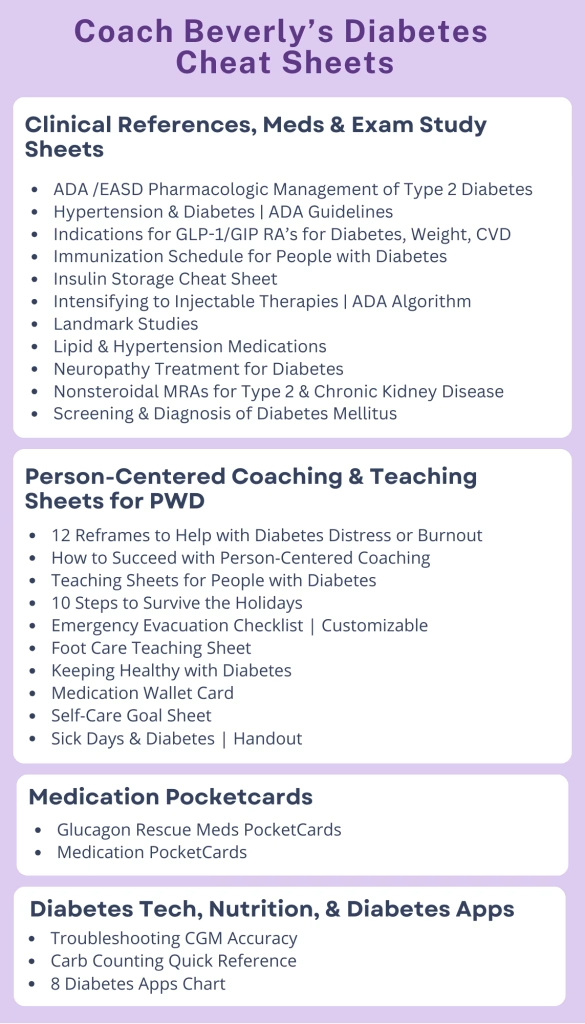
Download Free Diabetes Cheat Sheets!

Get the Tools You Need for 2026

Attention Diabetes Healthcare Professionals: Our Diabetes Cheat Sheet Resource Page Is Updated for 2026!

If you’re a busy diabetes healthcare professional, you want tools that help you deliver excellent, evidence-based care—without spending hours digging for information. That’s exactly why we created our Diabetes Cheat Sheet Resource Page, and we’re excited to share that it’s been updated with new additions for 2026.

You can download these free clinical and teaching cheat sheets directly from our website or through the CDCES Coach App. To make your life easier, we’ve reorganized everything by category and alphabetically, so you can quickly find exactly what you need—right when you need it.

Clinical Cheat Sheets: Evidence at Your Fingertips

The first section focuses on concise, evidence-based clinical summaries drawn from the American Diabetes Association Standards of Care and current research. These resources are ideal for:

  • Day-to-day clinical decision-making
  • Teaching colleagues and learners
  • Preparing for certification exams

Some of our most popular Clinical Cheat Sheets include:

  • Indications for GLP-1/GIP receptor agonists for diabetes, weight management, and cardiovascular disease
  • Lipid & Hypertension Medications Cheat Sheet
  • Neuropathy Treatment in Diabetes
  • Screening and Diagnostic Criteria for diabetes

Patient Education Resources You Can Share with Confidence

The next section includes ready-to-use handouts designed for people living with diabetes. Many are available in both English and Spanish, and several allow you to add your own logo or tailor the content to better serve your population.

A highlight of this section is the new “Keeping Healthy with Diabetes” sheets. These were personally created by Coach Beverly as teaching tools for community classes and for the people she serves in a rural health clinic. They clearly summarize:

  • What a diabetes diagnosis means
  • Key goals of diabetes care
  • Practical, easy-to-understand health messages

Perfect for printing, sharing, and using in real-world conversations.

Technology, Nutrition, Apps & Carb Counting Support

You’ll also find dedicated sections on:

  • Diabetes technology (including tools to evaluate accuracy)
  • Nutrition resources
  • Helpful diabetes apps
  • Carbohydrate counting tools, which are especially valuable for those preparing for CDCES or BC-ADM certification

Whether you’re caring for people with diabetes, teaching others, or preparing for an exam, these updated resources are designed to save you time, reduce overwhelm, and support best-in-class care.

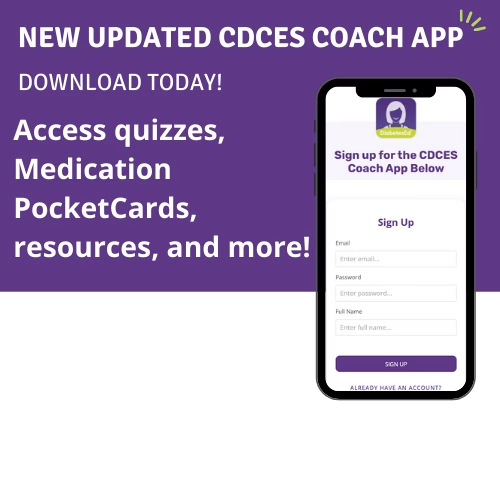
Love Cheat Sheets? You can Access on New CDCES Coach App!

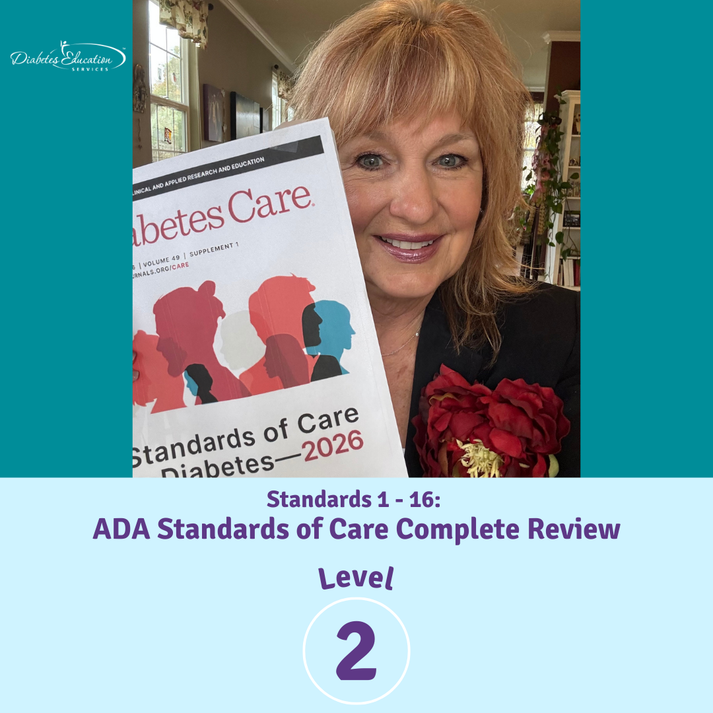
Level 2 | ADA Standards of Care Complete Review

NEW CDCES Coach App

Download for FREE on the Google Play Store or Apple Store!

Meds PocketCard Refresh for 2026!

Fresh updates. Clear comparisons. Even more clinical confidence.

You are going to love the latest updates to our Medication PocketCards—designed to help you make quick, informed decisions at the point of care.

GLP-1 & GIP Medications: Now Easier to Compare Than Ever

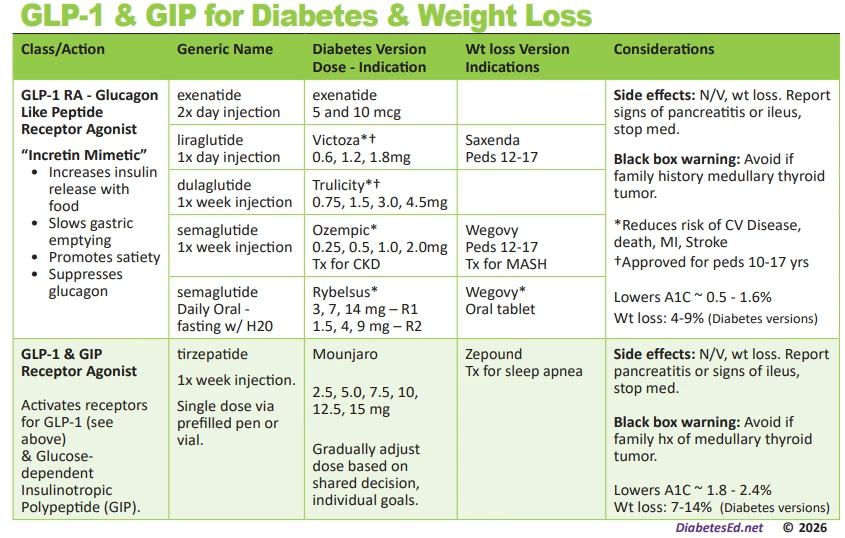
Our GLP-1 & GIP Meds PocketCard now includes two distinct versions—one for diabetes and one for weight management—so you can compare therapies at a glance.

Each version clearly outlines:

  • Approved indications
  • Medication action
  • Efficacy
  • Common side effects

This side-by-side approach makes it easier to individualize treatment decisions based on a person’s health profile, age, and comorbidities.

Oral Semaglutide for Weight Loss—Now Included

Big news in the GLP-1 world! Semaglutide is now available as an oral formulation for weight loss, and we’ve added it to the PocketCard.

  • Rybelsus® remains the oral option approved for diabetes
  • Oral semaglutide for weight loss is FDA-approved and included on the updated card
  • Both formulations are approved to reduce cardiovascular risk

Just like Rybelsus, oral semaglutide for weight loss:

  • Must be taken on an empty stomach
  • With a small sip of water
  • At least 30 minutes before food, beverages, or other medications

Good-Bye to Exenatide XR

It’s the end of an era. Exenatide XR (Bydureon®, Bcise®) has been discontinued.

The only remaining option is generic exenatide, administered twice daily—still available and noted on the updated PocketCard.

TZDs: A Farewell and a Comeback

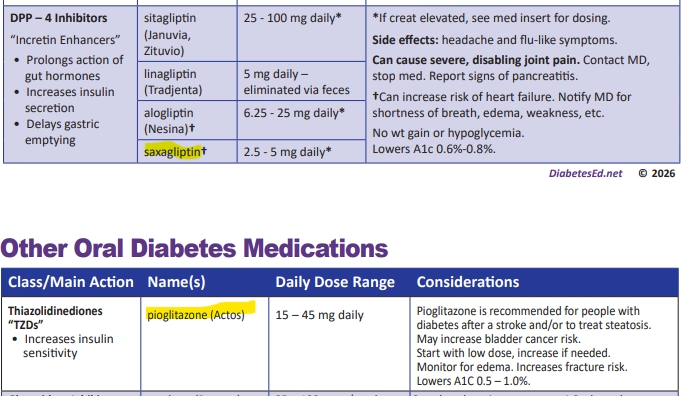
We say goodbye to rosiglitazone and welcome a renewed appreciation for pioglitazone (Actos®).

Pioglitazone:

  • Improves insulin resistance
  • Lowers free fatty acids
  • Is now indicated for hepatic steatosis or for individuals who have experienced a stroke.

Research led by Dr. Ralph DeFronzo demonstrates that pioglitazone can shift fat from visceral to subcutaneous depots, improving metabolic health and liver outcomes.

Clinical pearls included on the card:

  • Start low (15 mg) and titrate slowly
  • Monitor for fluid retention and weight gain
  • Check ankles and assess heart failure risk
  • Avoid in individuals with CHF or high fracture risk

Importantly, pioglitazone is also indicated for people with prediabetes or diabetes who have experienced a stroke, as it significantly reduces the risk of recurrent stroke.

DPP-4 Inhibitors: A Smaller Role

DPP-4 inhibitors continue to decline in use due to lower efficacy and higher cost, and both alogliptin and saxagliptin carry an increased risk of hospitalization for heart-failure .

That said, generic saxagliptin is once again available, so we’ve added it back to the PocketCard in the DPP-4 category—clearly labeled to support informed prescribing.

Learn More About Meds With Upcoming Courses

ADA Standards of Care Complete Review

Join us live on January 29th, 2026 at 11:30 AM PST!

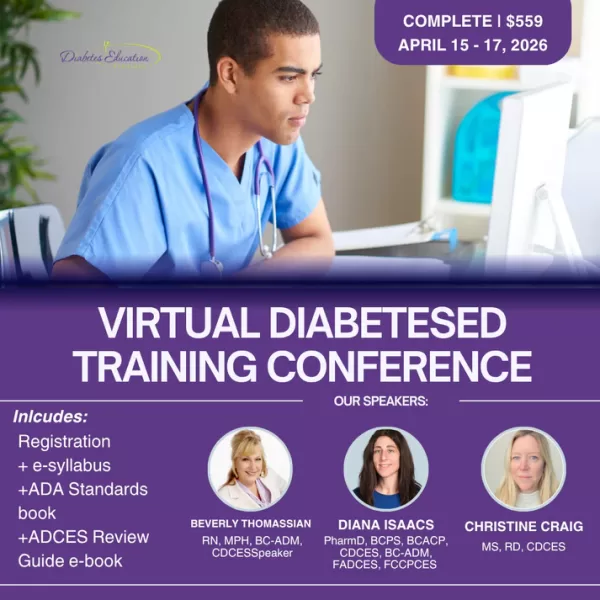
Virtual DiabetesEd Training Conference

Join us on April 15th-17th, 2026!

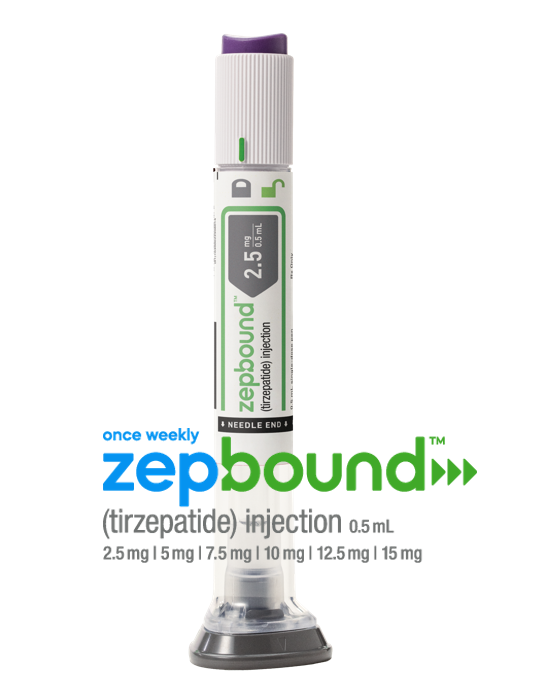
Tirzepatide approved for weight loss

The U.S. Food and Drug Administration approved tirzepatide (Zepbound) injection for chronic weight management in adults with a BMI of 30 or with a BMI of 27 or greater with at least one weight-related condition (such as high blood pressure, type 2 diabetes, or high cholesterol) this November. Tirzepatide is a dual glucose-dependent insulinotropic polypeptide (GIP) and glucagon-like peptide-1 (GLP-1) receptor agonist.

Up to 25% body weight loss

The SURMOUNT clinical trials demonstrated that tirzepatide therapy not only improved glucose levels but also had a substantial impact on body weight reduction. At the highest dose (15 mg), people taking Zepbound lost on average 48 lb., while at the lowest dose (5 mg), people lost on average 34 lb. (compared to 7 lb. on placebo).

Additionally, 1 in 3 clinical participants taking Zepbound at the highest dose lost over 58 lb. (25% of body weight), compared to 1.5% on placebo, according to data not controlled for type 1 error. The average starting weight was 231 lb. Zepbound is recommended along with healthy eating and increased activity.

About the SURMOUNT clinical trial program
The SURMOUNT phase 3 global clinical development program for tirzepatide in chronic weight management began in late 2019 and has enrolled more than 5,000 people with obesity or overweight across six registration studies, four of which are global. SURMOUNT-1 and SURMOUNT-2 were submitted to the FDA and demonstrated tirzepatide significantly reduced body weight compared with placebo in people living with obesity or overweight, with or without type 2 diabetes.

The dual action of tirzepatide on both GIP and GLP-1 receptors allows for a comprehensive approach to blood sugar regulation with substantial weight loss. Tirzepatide, the active ingredient in Zepbound, is already approved under the trade name Mounjaro to be used along with diet and exercise to help improve blood sugar in adults with type 2 diabetes. With this new FDA approval for weight loss, people who meet the BMI and risk criteria qualify to use this novel medication class, whether or not they have diabetes.

Cost

Zepbound is expected to be available in the U.S. by the end of the year in six doses (2.5 mg, 5 mg, 7.5 mg, 10 mg, 12.5 mg, 15 mg) at a list price of $1,059.87

Side effects:

Zepbound may be associated with gastrointestinal adverse reactions, sometimes severe. The most commonly reported adverse events (observed in ? 5% of clinical trial participants) were nausea, diarrhea, vomiting, constipation, abdominal pain, dyspepsia, injection-site reactions, fatigue, hypersensitivity reactions, eructation, hair loss, and gastroesophageal reflux disease. In studies, most nausea, diarrhea, and vomiting occurred when people increased their dose – but the effects generally decreased over time. Zepbound may cause tumors in the thyroid, including thyroid cancer. Watch for possible symptoms, such as a lump or swelling in the neck, hoarseness, trouble swallowing, or shortness of breath, and avoid using if there is a family history of medullary thyroid carcinoma (MTC).

For more information, see FDA Approval Information.

Want to learn more about Diabetes Medications?

Meds Management Update for Type 2 Diabetes

Airs live on December 21, 2023, at 11:30 am PST

Topics:

  • Describe the role of Diabetes Care & Education Specialists in advocating for optimal therapeutic approaches.
  • Discuss the application of the new ADA/EASD Guidelines to improve glucose and reduce CV and renal risk.
  • List strategies to initiate & adjust oral & injectable therapy using a person-centered approach.

In this exciting webinar, Coach Beverly walks participants through the “Management of Hyperglycemia in Type 2 Diabetes” as outlined by the most recent American Diabetes Association (ADA) guidelines. She kicks-it off with a brief overview of the different classes of medications then uses a case study approach to apply the ADA algorithm.

Can’t make it live? No worries. We will send post the recorded version to the Online University within 24 hours of the broadcast

Instructor: Beverly Thomassian RN, MPH, CDCES, has been Board Certified in Advanced Diabetes Management for over 20 years. She is an Associate Clinical Professor at UCSF, a working educator, and a nationally recognized diabetes expert. She has a Master’s Degree in Public Health from UCLA, with a focus on behavioral health and education.

All hours earned count toward your CDCES Accreditation Information


Sign up for Diabetes Blog Bytes – we post one daily Blog Byte from Monday to Friday. And of course, Tuesday is our Question of the Week. It’s Informative and FREE!  Sign up below!

Sign up for DiabetesEd Blog Bytes

* indicates required


The use of DES products does not guarantee the successful passage of the CDCES exam. CBDCE does not endorse any preparatory or review materials for the CDCES exam, except for those published by CBDCE.
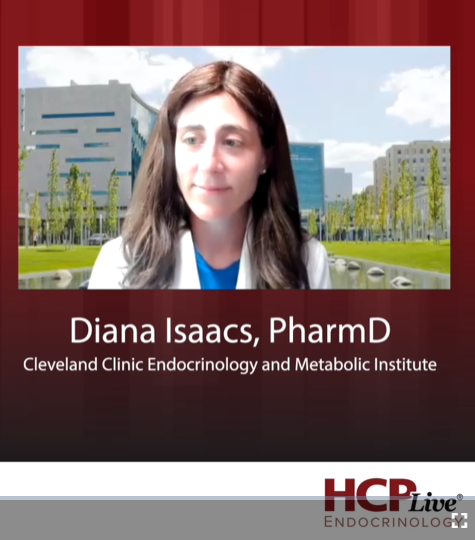
Diabetes Drugs & Medicare Negotiations | Diana Issacs, PharmD Breaks it Down

Diana Isaacs, PharmD, BCPS, BCACP, BC-ADM, CDCES is a thought leader in the field of diabetes and has the opportunity to share her expertise as a podcast host, along with colleague Natalie Bellini, DNP, as part of HCP Live and Diabetes Dialogue’s educational series. In a recent program episode, “What Medicare Drug Price Negotiations Mean for Diabetes”, Dr. Isaacs and Dr. Bellini provide an informative and lively discussion on the newly announced Medicare Medication Price negotiation program.

What is this Medicare Drug Hubbub all about?

In order to improve the affordability of medications for those 65 and older with Medicare Part D, the Centers for Medicare & Medicaid Services (CMS), announced the first 10 drugs covered under Medicare Part D selected for negotiation as part of the Inflation Reduction Act,

The drugs chosen include the 10 drugs with the highest gross annual spending total, accounting for $50.5 billion in total Part D gross covered prescription costs per year and more than $3.4 billion in out-of-pocket costs.

Diabetes Medications Included:

There are four diabetes medications included among the ten drugs named for price reductions in this first go-round, which if approved, would take effect in January 2026.

The diabetes agents chosen for negotiation include:

  • The SGLT’s empagliflozin (Jardiance) and dapagliflozin (Farxiga)
  • An DPP-IV sitagliptin (Januvia)
  • and Novo Nordisk-specific insulin aspart products.

In the podcast, Dr. Isaacs and Dr. Bellini, comment on the lack of any GLP-1 or GLP-1 /GIP combo medications in the initial list and are curious about the inclusion of two SGLT-2 inhibitors and no basal insulin. In addition, there was some head-scratching around including insulin in the negotiations, since there is already a $35 Medicare payment cap on insulin therapy.

This group of medications was chosen in part, because according to CMS statistics, these agents accounted for more than $16 billion in total Part D spending from June 1, 2022, through May 31, 2023, which served as the evaluation period for the decision-making process.

As far as when this program will start, negotiated prices for the selected drugs will be announced by September 1, 2024, and those prices will come into effect starting January 1, 2026. The long-term goal is to expand this program as part of the Inflation Reduction Act. By 2027, the goal is to have 15 more medications covered under Part D for negotiation and up to 15 more drugs for negotiation in 2028, including drugs covered under Part B and Part D, and up to 20 more drugs for each year after.

Expect push backs from pharmaceutical companies. Drugmakers have said the new provisions are unconstitutional and have filed a series of lawsuits to try to stop them.

Thank you to hosts Diana Isaacs, PharmD, an endocrine clinical pharmacist, director of Education and Training in Diabetes Technology, and codirector of Endocrine Disorders in Pregnancy at the Cleveland Clinic, and Natalie Bellini, DNP, program director of Diabetes Technology at University Hospitals Diabetes. Click this link to listen to the complete program episode, “What Medicare Drug Price Negotiations Mean

for Diabetes”.

Diana Issacs Speaks for 2 Days in San Diego at our DiabetesEd Specialist Conference – You are invited

If you want to meet Diana in person and benefit from her expert knowledge, she will be co-teaching at our three-day DiabetesEd Specialist Training Program in San Diego on October 11-13th. You won’t want to miss her ADA Standards of Care update, along with her expertise on diabetes medications and her hands-on diabetes technology explanations.

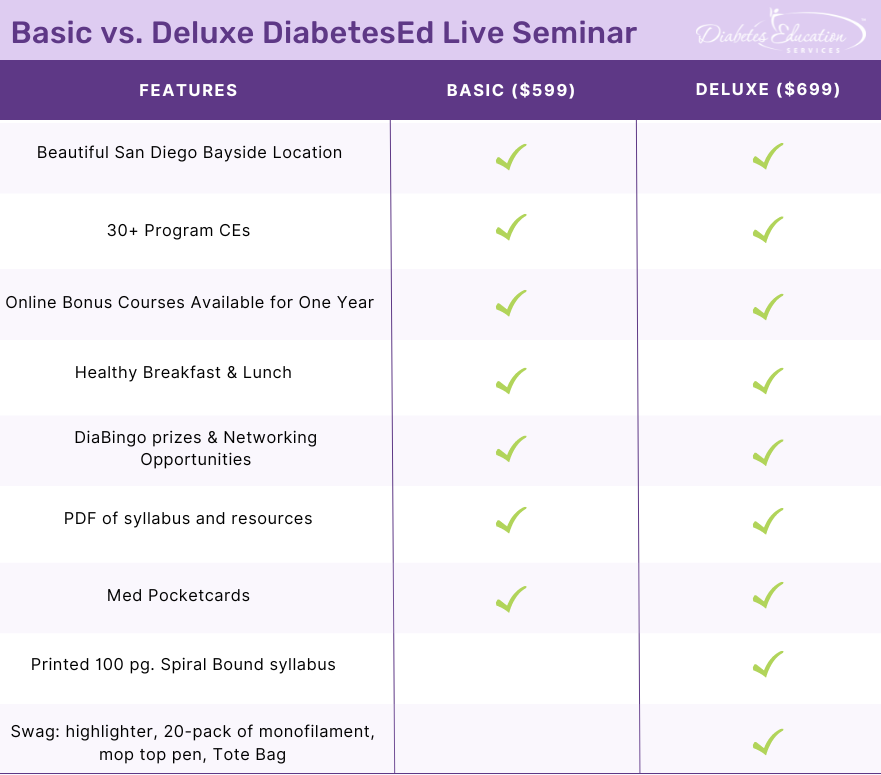
Join Dr. Isaacs & team LIVE in San Diego for our
DiabetesEd Training Conference
October 11-13th, 2023


Two Registration Options

Join Coach Beverly and Team for two and a half days of knowledge-sharing, fun, networking, games with prizes, and “aha” moments in beautiful San Diego. 

You don’t want to miss this one-of-a-kind learning opportunity. Get away from all those daily responsibilities and immerse yourself in a fun and intensive conference with plenty of networking opportunities.    

Attendees will leave this conference with new tools and a more complete understanding of the latest advances in diabetes care, from medications to technology to Medical Nutrition Therapy! 

Bring your colleagues and enjoy our friend discount.

Our team expertly translates the complex science of diabetes into understandable terms while keeping it real, practical, and fun. 

Team of expert faculty includes:

  • Diana Isaacs, PharmD, BCPS, BC-ADM, BCACP, CDCES – Educator of the Year, 2020
  • Coach Beverly Thomassian, RN, MPH, CDCES, BC-ADM
  • Ashley LaBrier, MS, RD, CDCES, Diabetes Program Coordinator 

All hours earned count toward your CDCES Accreditation Information


Sign up for Diabetes Blog Bytes – we post one daily Blog Byte from Monday to Friday. And of course, Tuesday is our Question of the Week. It’s Informative and FREE!  Sign up below!

Sign up for DiabetesEd Blog Bytes

* indicates required


The use of DES products does not guarantee the successful passage of the CDCES exam. CBDCE does not endorse any preparatory or review materials for the CDCES exam, except for those published by CBDCE.

Sulfonylurea Sold as “Street Valium”

At the recent gathering of the American Association of Clinical Endocrinology meeting, a provider shared a surprising case study of life-threatening hypoglycemia in a 33-year-old without diabetes.

Unknowingly, this individual thought they were purchasing “street Valium”, but was sold the potent sulfonylurea, glyburide, instead. As a result, their blood sugar dropped to 18 mg/dL, causing unconsciousness and the need for emergent medical assistance. This individual had purchased two unmarked, light blue pills on the street, which they thought were Valiums but turned out to be glyburide. Since sulfonylureas aren’t detected in urine toxicology screens, the symptoms of hypoglycemia may be mistakenly attributed to other causes or drugs. The only way to detect the presence of sulfonylureas is through blood tests.

“Physicians should be aware of this possibility and consider intentional or unintentional sulfonylurea abuse, with or without other drugs,” Amanda McKenna, MD, a first-year endocrinology fellow at the Mayo Clinic, Jacksonville, Florida, and colleagues say in a poster presented at the American Association of Clinical Endocrinology (AACE) Annual Meeting 2023.

Glyburide has a similar appearance to street valium. It is cheaper and easier to acquire than Valium (a controlled substance) which explains its appearance in illicit drug sales over the past two decades. However, since glyburide stimulates sustained insulin secretion, consumption can lead to life-threatening prolonged hypoglycemia. In addition, the person consuming it may attribute their symptoms to the “Valium” they thought they were taking and is vulnerable to severe hypoglycemia.

If hypoglycemia is detected, D50W is commonly used to immediately raise glucose levels. But, since sulfonylurea has a long half-life, blood sugars may plummet again. The most effective treatment to sustain blood sugars for those with glyburide toxicity is the administration of octreotide. Octreotide, a long-acting somatostatin agonist, reverses the insulin-releasing effect of sulfonylureas on pancreatic beta cells, resulting in diminished insulin secretion. 

Cases like these have been reported for the past two decades. But how many incidents are we missing? Sharing this information with first responders, emergency department staff, and our communities can save lives.

Read more here


NEW: Everything Bundle

For the first time, we are offering all of our Online Courses and Training Programs in ONE bundle!

Now on sale, Enroll Now & Save $100!

40+ online courses | 85+ CEs

This exclusive Everything Bundle provides access to ALL of our Online University Courses and Training Programs. This bundle is perfect for those who need CEs to renew their license or diabetes certification or are looking for a comprehensive update on all topics of diabetes.

Subscribers enjoy over 40 courses taught by Coach Beverly and her team of experts on topics ranging from Diabetes Distress to MNT, Technology to Pattern Management with a focus on providing evidence-based, person-centered diabetes care.

All hours earned count toward your CDCES Accreditation Information


Sign up for Diabetes Blog Bytes – we post one daily Blog Byte from Monday to Friday. And of course, Tuesday is our Question of the Week. It’s Informative and FREE!  Sign up below!

Sign up for DiabetesEd Blog Bytes

* indicates required


The use of DES products does not guarantee the successful passage of the CDCES exam. CBDCE does not endorse any preparatory or review materials for the CDCES exam, except for those published by CBDCE.

Lilly Caps Insulin at $35

Today, Lilly announced caps on out-of-pocket insulin costs at $35 per month and price reductions of 70% for its most commonly prescribed insulins.

  • Effective immediately, Lilly will automatically cap out-of-pocket costs at $35 at participating retail pharmacies for people with commercial insurance using Lilly insulin.
  • People who don’t have insurance can continue to go to InsulinAffordability.com and immediately download the Lilly Insulin Value Program savings card to receive Lilly insulins for $35 per month.

In addition, according to their website announcement, Lilly is reducing the list price of insulins:

  • Cutting the list price of its non-branded insulin, Insulin Lispro Injection 100 units/mL, to $25 a vial, effective May 1, 2023.
  • Cutting the list price of Humalog® (insulin lispro) 100 units/mL and Humulin® (insulin human) injection 100 units/mL by 70% in the fourth quarter 2023.
  • Launching RezvoglarTM (insulin glargine-aglr) injection, a basal insulin that is biosimilar to, and interchangeable with, Lantus® (insulin glargine) injection, for $92 per five pack of KwikPens®

“The aggressive price cuts we’re announcing today should make a real difference for Americans with diabetes. Because these price cuts will take time for the insurance and pharmacy system to implement, we are taking the additional step to immediately cap out-of-pocket costs for patients who use Lilly insulin and are not covered by the recent Medicare Part D cap” said David A. Ricks, Lilly’s Chair and CEO.

American Diabetes Association (ADA) Celebrates

“The American Diabetes Association (ADA) is the leading voice advocating for insulin affordability and is working to ensure that all people with diabetes have access to the care they need. We applaud Eli Lilly for taking the important step to limit cost-sharing for its insulin, and we encourage other insulin manufacturers to do the same. While we have been able to help achieve significant progress on the issue of insulin affordability, including Medicare’s new out-of-pocket cost cap on insulin, state copay caps, and patient assistance developments from insulin manufacturers, we know that our work is not done. We will work to ensure that Eli Lilly’s patient assistance program is benefiting patients as intended and continue the fight so that everyone who needs insulin has access.”? — Charles “Chuck” Henderson, CEO of the American Diabetes Association

Insulin has grown increasingly expensive in recent years despite the introduction of new competition. Many people with diabetes ration their medicines or discontinue them because of the cost. More than 30 million Americans live with diabetes, and more than seven million of them rely on insulin.

Join the ADA’s Fight for Affordable Insulin!

Click here to learn more and get involved!

Medicare Caps Insulin at $35 a month

Read our blog here for more info


FREE Insulin PocketCard with Complete Insulin Listing


New “Zavvy” SGLT-2 Inhibitor Approved

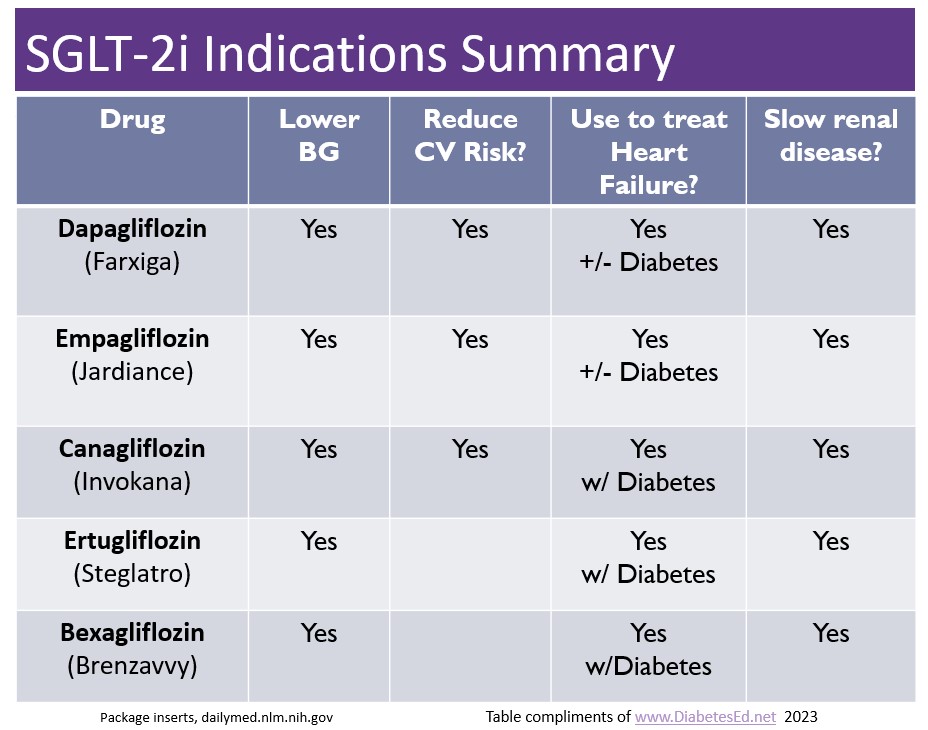
There are now five SGLT-2 Inhibitors that are FDA approved for the treatment of diabetes. The latest one is bexagliflozin (Brenzavvy). We created the chart below to summarize the features and indications of the various SGLT-2i’s. We have also updated our eMedication PocketCard, with this 5th SGLT-2i.

According to TheracosBio, FDA approval of bexagliflozin was based on 23 studies in over 5,000 patients with type 2 diabetes. At a dose of 20mg a day, bexagliflozin decreases A1C by 0.6% to 1.0%, decreases body weight by about 3 kg and drops systolic blood pressure almost 3 mm Hg on average. This treatment can be utilized as a monotherapy or combined with metformin or as an add-on to standard-of-care treatment, including metformin, sulfonylureas, insulin, DPP-IV inhibitors or combinations of all these agents.

GFR cut off of 30: For those with chronic kidney disease, bexagliflozin was safe and well tolerated, however it is not recommended if the eGFR less than 30 mL/min/1.73 m2 and is contraindicated for those on dialysis.

No additional CV benefit data. Bexagliflozin was not found to be superior to placebo in reducing MACE (a composite of cardiovascular death, nonfatal myocardial infarction, nonfatal stroke, and hospitalization for unstable angina). In a trial that included patients with type 2 diabetes and either established CVD or multiple risk factors for CVD, 10.1% (57/567) of the placebo group experienced 1 MACE event vs 7.9% (89/1132) of the bexagliflozin group. However, while the phase 3 data do not indicate any apparent CVD risk, a robust CVD outcomes trial has not been done.

Lower extremity caution: An increased, although not statistically significant, incidence of lower limb amputations was observed among patients treated with bexagliflozin (8.3 vs. 5.1 events per 1,000 patient-years; HR = 1.64, 95% CI, 0.70, 3.82).

Other warnings include genital mycotic infections, DKA, volume depletion, urinary tract infections and urosepsis, similar to other SGLT-2 inhibitors. Read more here.

Download eMedication PocketCard